
Cambodia Container Mobile House
Container mobile houses in Cambodia are widely used in temporary residences, commercial operations, and cultural tourism projects, characterized by modularity, mobility, and expandability, with prices varying based on specifications, functions, and suppliers.
I. Application Scenarios
Temporary Residence and Relocation
After border conflicts or natural disasters, container houses are often used as temporary relocation sites. For example, during the Cambodia-Thailand border conflict, Thailand deployed containers as temporary facilities, and Cambodia may also adopt similar structures to provide transitional housing for returning refugees. Their advantages include rapid deployment, structural stability, and reusability.Commercial and Cultural Tourism Projects
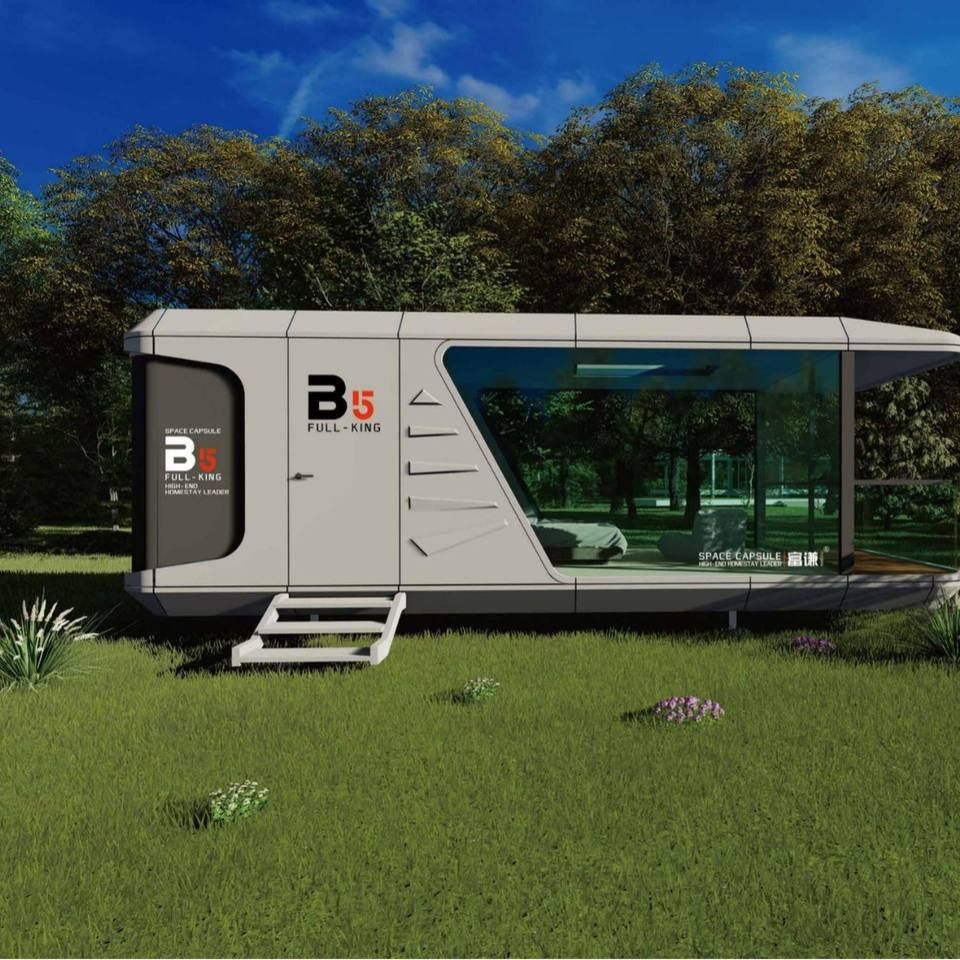
Tourism areas in Cambodia, such as Dara Sakor, have introduced container mobile houses to construct movable hotel camps. These projects combine natural landscapes with modern design, using modular combinations to create functional zones for accommodation, dining, and entertainment, meeting tourists' dual demands for flexibility and comfort.Engineering and Office Use
Container houses are widely used in construction sites and temporary offices. Their detachable and easy-to-transport features make them ideal for multinational engineering projects. For instance, during the Qatar FIFA World Cup, Chinese suppliers provided 12,000 container athlete apartments, saving 70% in costs.
II. Product Features
Modular Design
Container houses typically adopt standard sizes (e.g., 20-foot, 40-foot), supporting horizontal or vertical expansion through splicing to achieve functional upgrades. For example, double-wing expandable container houses can unfold into multi-bedroom structures to suit different scenarios.Materials and Craftsmanship
The main structure is primarily steel, covered with color-coated steel plates or fire-resistant rock wool, providing wind, water, and impact resistance. Some products use weld-free quick-assembly processes to reduce disassembly and assembly losses and enhance structural stability.Low Carbon and Compliance
Products from leading manufacturers support multiple disassemblies and reuses (averaging over 8 times), reducing construction waste emissions by 90% compared to traditional buildings and complying with international green building standards. They also pass domestic and international certifications (e.g., CE, ISO) to meet cross-border engineering compliance requirements.
III. Price Range
The price of container mobile houses varies based on specifications, configurations, and suppliers. For example:
- Basic Model: A 20-foot foldable container house costs approximately 415 yuan per square meter (Hebei Chuanjin), suitable for temporary storage or simple residences.
- Mid-Range Model: A 40-foot double-wing expandable container house costs approximately 88,990 yuan per set (Guangzhou Jinge), including material guarantees and in-depth factory inspection services, suitable for commercial operations.
- High-End Custom Model: An expandable prefabricated villa costs between 33,550 and 36,637 yuan per set (Heshi), equipped with multiple bedrooms, a kitchen, and a bathroom, targeting the cultural tourism homestay market.



