Buy Beverage Container House
When purchasing a beverage container house, it is necessary to comprehensively consider factors such as purpose, budget, supplier, and design details.

I. Clarify Purpose and Requirements
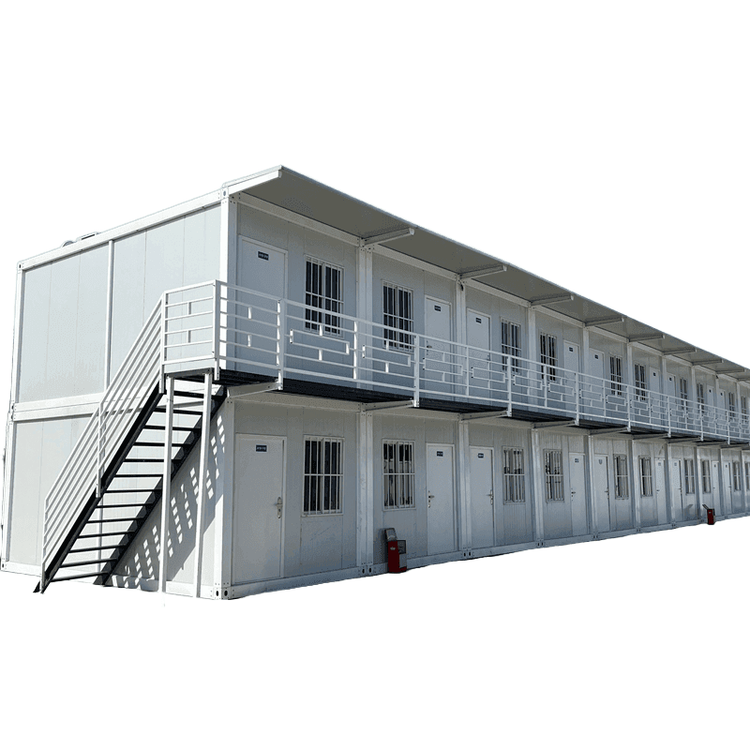
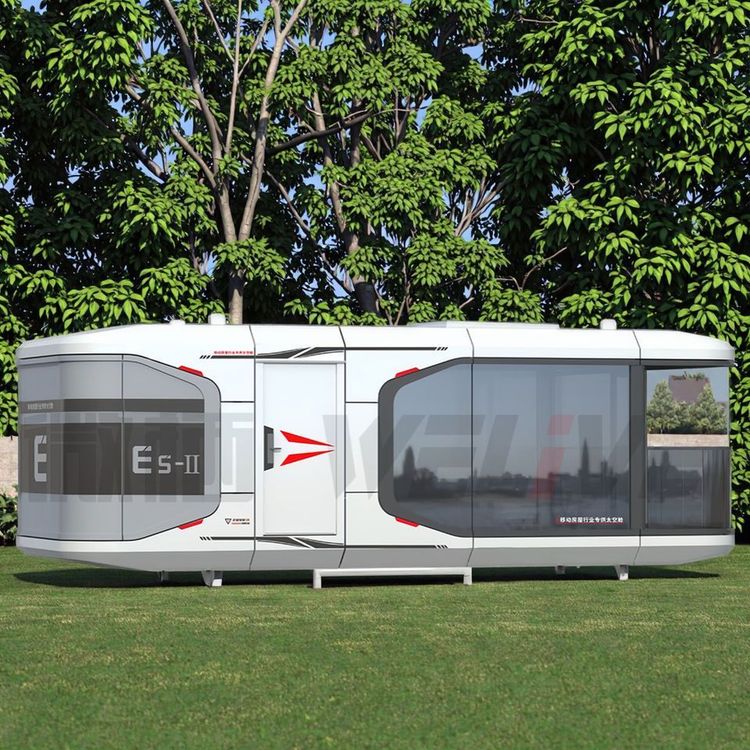
The purpose of the container house directly affects its design, size, and functional configuration. If it is used for temporary beverage sales (such as milk tea shops or coffee shops), priority should be given to mobility and quick assembly. For example, choosing a 20-foot standard container or a foldable structure facilitates transportation and site changes. If it serves as a fixed scenic spot shop (such as the case of the Riyueshan Container Coffee Shop), attention should be paid to spatial expansibility and customer experience design, such as adding a second-floor terrace, an inner courtyard, or an external staircase to distinguish the customer flow lines for quick meal pickup and leisurely stays.
II. Budget and Cost Planning
The price of container houses is significantly influenced by size, material, functionality, and supplier. According to market data, the price range for a 20-foot basic model is 4,666.25-10,006.73 yuan (suitable for temporary stalls), while a 40-foot high-end customized model (including a bedroom and kitchen) can reach 45,394.08-52,069.68 yuan. If quick construction is required, prefabricated modular houses can be chosen, with prices around 3,672.27-5,344.52 yuan per set, but attention should be paid to additional costs (such as doors, windows, electrical circuits, and staircases).
III. Supplier Selection and Qualification Verification
Prioritize suppliers that offer one-stop services, covering the entire process of design, production, transportation, and installation. For example, Zhengzhou Sida Steel Structure Engineering Co., Ltd. provided the container body and supporting components for the Riyueshan Coffee Shop, ensuring structural safety and compliance. When verifying supplier qualifications, pay attention to their production experience (such as years of establishment and number of cases), quality certifications (such as ISO standards), and after-sales services (such as material guarantees and a 7-day replacement policy).
IV. Design Details and Functional Optimization
- Opening and Flow Line Design: Decide on the window type based on the operating model (such as an upward-folding window for outdoor meal pickup and an aluminum alloy double-glazed door for indoor ordering), and reserve space for an operation counter and waiting area.
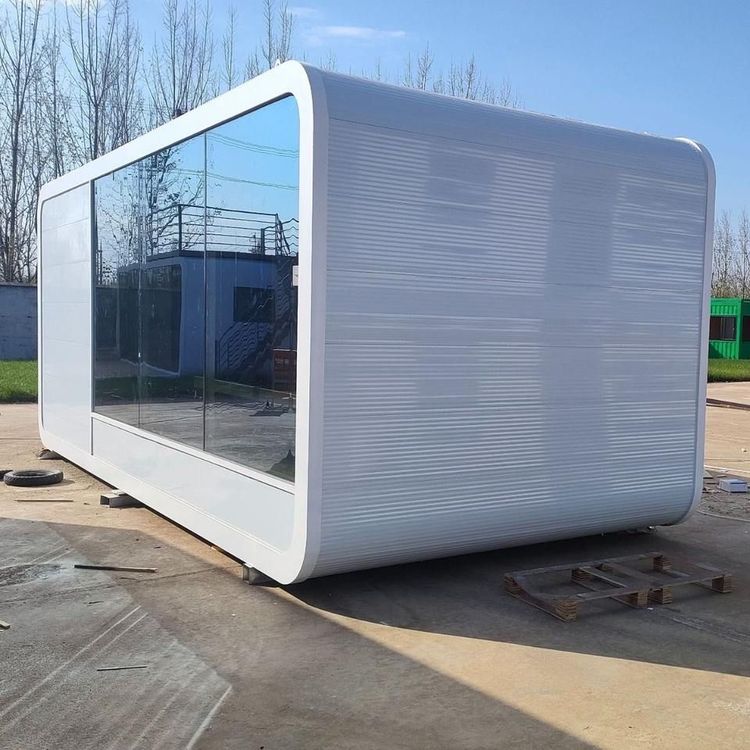
- Environmental Adaptability: For outdoor use, choose waterproof, sun-resistant, and heat-insulating materials, such as steel sandwich panels or aluminum shells; scenic spot shops can incorporate elements like glass curtain walls and terraces to enhance landscape value.
- Compliance: Confirm local requirements for the height, area, and fire safety of temporary buildings to avoid non-compliance risks.