
Bus Mobile Toilet
A bus mobile toilet is a toilet facility that fits the layout of the vehicle and can be moved as a whole. It is commonly used in places with a sudden increase in pedestrian traffic, such as scenic spots and event venues, or to address passengers' physiological needs during long-distance passenger transport. Its core features and functions are as follows:
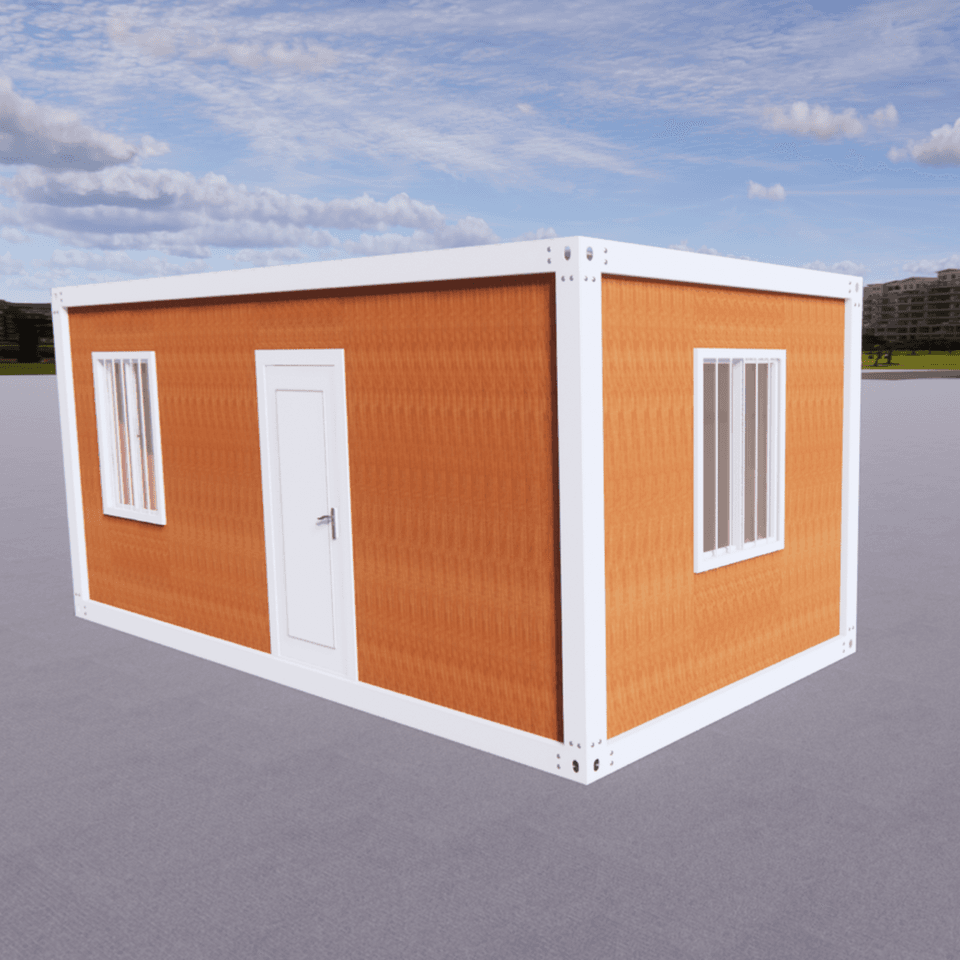
1. Structural Design and Functional Configuration
The bus mobile toilet is designed by rationally planning the internal space to fit the original layout of the vehicle. Taking a certain model as an example, it can be up to 10.9 meters long, with the interior divided into men's and women's toilet compartments and a hand-washing area. The men's compartment has 3 toilet seats and 2 urinals, while the women's compartment has 5 toilet seats, all equipped with independent hand-washing basins. The ventilation system combines a fresh air device with ventilation windows to ensure air circulation. An emergency call button provides safety protection in case of emergencies. In addition, the foam-sealing high-pressure water-saving flushing system covers waste with high-pressure foam, saving about 60% of water compared to traditional flushing methods, making it suitable for scenarios with limited water resources.
2. Environmental Protection and Self-Sustaining Capability
This facility adopts a sealed waste storage tank design, with built-in chemical or biological degradants that can decompose solid substances and suppress odors. It does not require an external drainage network, achieving a closed-loop system of "use-storage-treatment". Its cleaning system ensures long-term hygiene through the combination of degradants and regular waste removal services. The fixing system ensures stability during movement or use through vehicle chassis reinforcement and anti-slip design.
3. Application Scenarios, Advantages, and Disadvantages
- Advantageous Scenarios:
- Long-distance passenger transport: For journeys where the continuous driving time exceeds the physiological tolerance threshold of the human body (usually 4-6 hours), it can reduce the number of stops and improve the controllability of the itinerary.
- Temporary events: Such as music festivals and exhibitions, it can be quickly deployed in areas without fixed sanitary facilities to relieve pedestrian pressure.
- Limitations:
- Limited processing capacity: The number of simultaneous users per unit of space is limited, and queues may form during peak periods.
- Dependence on waste removal services: The waste storage tank needs to be regularly pumped and treated by a professional team. If the service is not timely, it may affect use.
4. Economic Efficiency of the Rental Model
The bus mobile toilet is mainly circulated through rental:
- For users: It avoids procurement costs, long-term storage space occupation, and maintenance technical thresholds, making on-demand rental more flexible.
- For service providers: By recycling equipment to improve utilization and sharing single-use costs, a sustainable business model is formed. For example, the average daily rental fee for a single unit is about 500-1000 yuan, which is much lower than the long-term purchase and maintenance costs.
Summary: Through modular design, environmental protection technology, and a rental model, the bus mobile toilet balances portability and functionality, becoming an efficient solution for addressing toilet needs in temporary or mobile scenarios. However, its application needs to be comprehensively evaluated in combination with the scale of the use scenario and the coverage capacity of waste removal services.
You may also like

Portable Toilet Used in 2026: Buying Guide & Recommendations
Read More
Portable Toilet Custom Explained: How to Choose the Right One
Read More
Top Portable Toilet Smart Manufacturers: How to Choose a Factory Partner
Read More