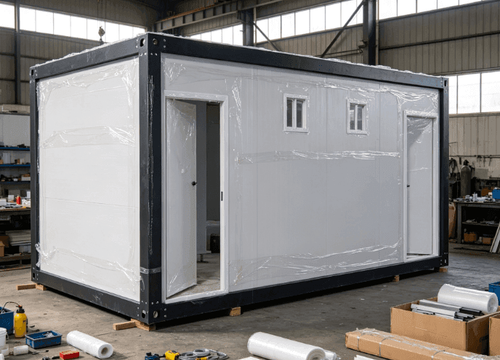
Bus Mobile Toilet Rental
When renting bus mobile toilets, it is essential to focus on core aspects such as technical parameters, service processes, regional adaptability, contract terms, and pricing. Details are as follows:

I. Technical Parameters and Equipment Types
- Processing Capacity: Flush toilets typically have a water tank capacity of 200-300 liters and a sewage tank capacity of 300-400 liters, with full-load usage time depending on frequency. Composting toilets have a storage tank capacity of 200-500 liters, supporting 200-300 uses.
- Power Supply: Prefer models with built-in generators or high-capacity batteries (e.g., 12V 200Ah or above) to avoid power interruptions affecting lighting, ventilation, or flushing systems.
- Materials and Structure: The interior walls should be made of corrosion-resistant, easy-to-clean HDPE material, with non-slip flooring and a drainage slope of ≥1%. The ventilation system should have an air exchange rate of ≥30 cubic meters per hour to ensure hygiene and safety.
II. Service Processes and Hidden Costs
- Transportation and Installation: The rental company must provide compliant transport vehicles (equipment weighs approximately 300-500 kg) and lifting equipment. The installation site must be level, hardened, and have a designated access route for sewage trucks.
- Maintenance Frequency: Professional companies should clean and disinfect the toilets every 4 hours or after 50 uses and provide maintenance records to avoid hygiene risks.
- Sewage Disposal: Sewage must be collected and transported by qualified units and connected to the municipal sewer network. Packaged toilet waste must be disposed of according to medical waste standards to prevent environmental pollution.
III. Regional Adaptability and Emergency Response
- Localized Services: Rental companies should be familiar with local environmental standards (e.g., storage tank sealing requirements) and transport routes. For example, some companies in Xianghe County can respond within 2 hours in emergencies.
- Environmental Resistance Design: In northern regions, equipment with anti-freezing measures (e.g., built-in heating modules) should be selected to prevent pipeline freezing in low temperatures, ensuring normal operation.
IV. Contract Terms and Equipment Condition
- Key Clauses: The contract should specify equipment model, rental period, service frequency, liability for breaches, and damage compensation standards to avoid disputes.
- Equipment Inspection: Before rental, ensure there is no structural damage to the exterior, internal pipes are unobstructed, and flush valves operate smoothly. Some companies offer trial runs and provide condition confirmation letters.
V. Market Reference Pricing
The rental price for basic models starts at approximately 400 yuan per unit (e.g., the bus-mounted mobile toilet provided by Jingheyuan Sanitation Facilities (Shanghai) Co., Ltd.), with prices varying based on specifications, quantity, and event timing.
Typical Application Scenarios: Suitable for large events, construction sites, sports events, gardens, and scenic spots, offering advantages such as no need for water and sewer connections, flexible mobility, and cost savings on permanent facilities.