
Bozhou Square Environmental Protection Mobile Toilet
The environmental protection mobile toilets suitable for Bozhou Square have a variety of features and advantages, meeting the diverse needs of the square.
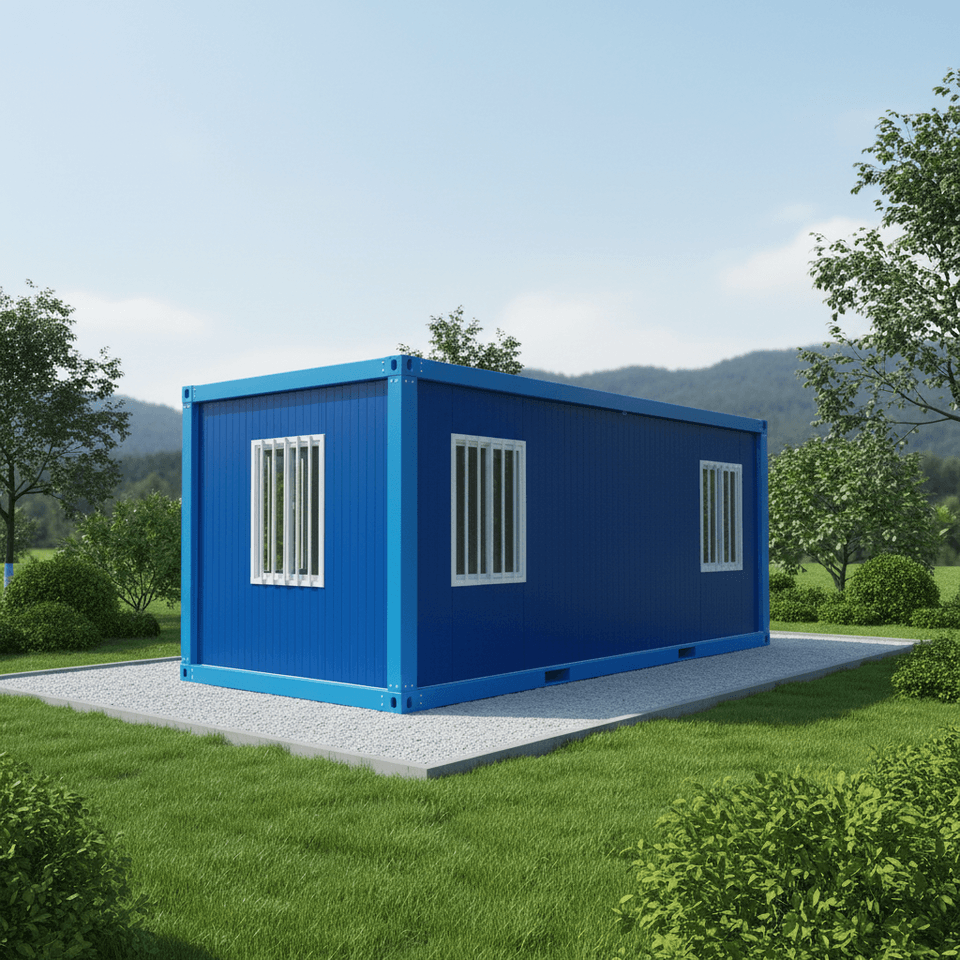
I. Structural and Material Characteristics These mobile toilets usually adopt a light steel structure, with main materials including color-coated steel plates, metal carved panels, anti-corrosion wood, and aluminum-plastic panels. The light steel structure endows them with high strength and lightweight properties, facilitating transportation and installation. The selection of different materials not only ensures durability but also enhances the appearance through surface treatments (such as the stone-like texture of metal carved panels and the natural texture of anti-corrosion wood), making them harmonious with the square environment.
II. Functional and Environmental Advantages
- High mobility: Without the need for a fixed foundation, they can be quickly relocated according to the square's activity requirements (such as exhibitions and performances), avoiding the resource waste caused by the fixed position of traditional toilets.
- Energy-saving and environmental protection technologies: Some models are equipped with solar or wind power generation devices to supply electricity for lighting and ventilation systems, reducing dependence on the municipal power grid. For waste disposal, technologies such as water-saving flushing, waterless packing, foam sealing, or microbial degradation are adopted. For example, the microbial degradation method decomposes waste through specific bacteria, achieving harmless treatment without flushing, suitable for areas with scarce water resources. The foam sealing method uses a small amount of foam to cover waste, suppressing odors and reducing flushing water volume.
- Application of intelligent technologies: Some high-end models integrate automation systems, such as sensor-activated faucets, intelligent flushing devices, and temperature and humidity regulation systems, enhancing user convenience. Some are also equipped with real-time monitoring modules to remotely monitor the toilet usage status (such as the remaining amount of toilet paper and odor concentration), facilitating maintenance and management.
III. Space and Cost-effectiveness
- Small footprint: The area of a single toilet cubicle is usually between 1 and 3 square meters, much smaller than that of traditional brick-and-mortar toilets, suitable for places with limited space like squares.
- Flexible and controllable costs: Prices vary greatly depending on the model and configuration. The price of basic models (such as waterless packing types) starts at around 800 yuan, while that of high-end intelligent models (such as those equipped with solar power and microbial degradation systems) can reach up to 7,500 yuan. Users can choose appropriate models according to their budget and usage frequency, reducing initial investment costs.
IV. Maintenance and User Experience The interior design of mobile toilets is scientific and functional, equipped with ventilation systems, anti-slip floors, handrails, and other facilities to ensure comfort and hygiene. The modular structure makes maintenance simple, and faulty components can be quickly replaced, reducing downtime.



