Back to blog
Article
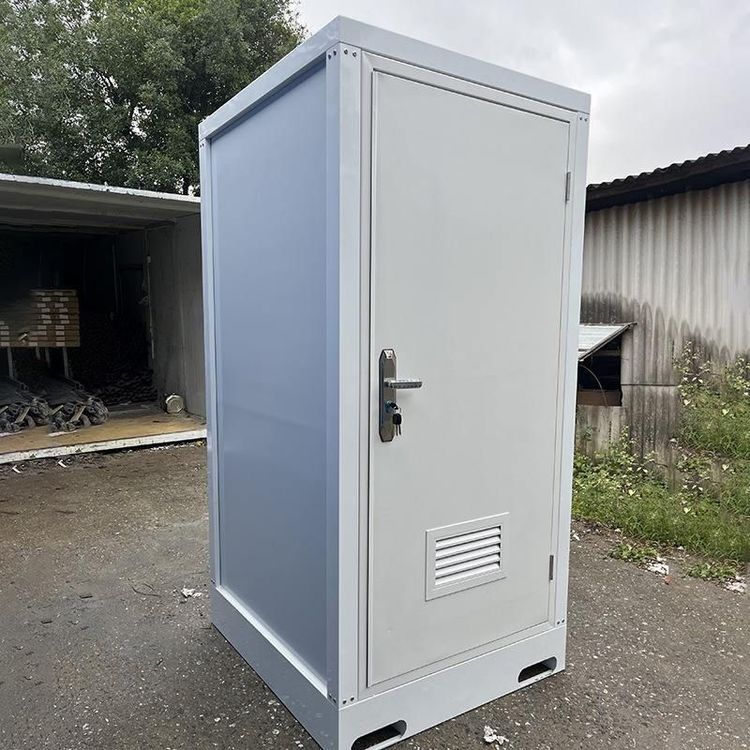
Box-body Mobile Toilet
Admin September 21, 2026
A box-body mobile toilet is a movable, environmentally friendly sanitation facility that comes in various types and structural forms, suitable for different scenario requirements.

Types and Features
- Internet-famous Container Mobile Toilet: It is made of corrugated board material as a whole, creating a bright visual effect through multi-color combinations. At the entrance, there are double-basin hand-washing cabinets and mirrors, balancing practicality and aesthetics. It is suitable for places with high environmental quality requirements, such as scenic spots and commercial streets.
- Dopamine Container Mobile Toilet: With dopamine color schemes as the core design language, it features vibrant and youthful colors. It comes equipped with standardized restroom signage upon leaving the factory, making it more suitable for young-oriented scenarios, such as music festivals and outdoor exhibitions.
Structural Composition
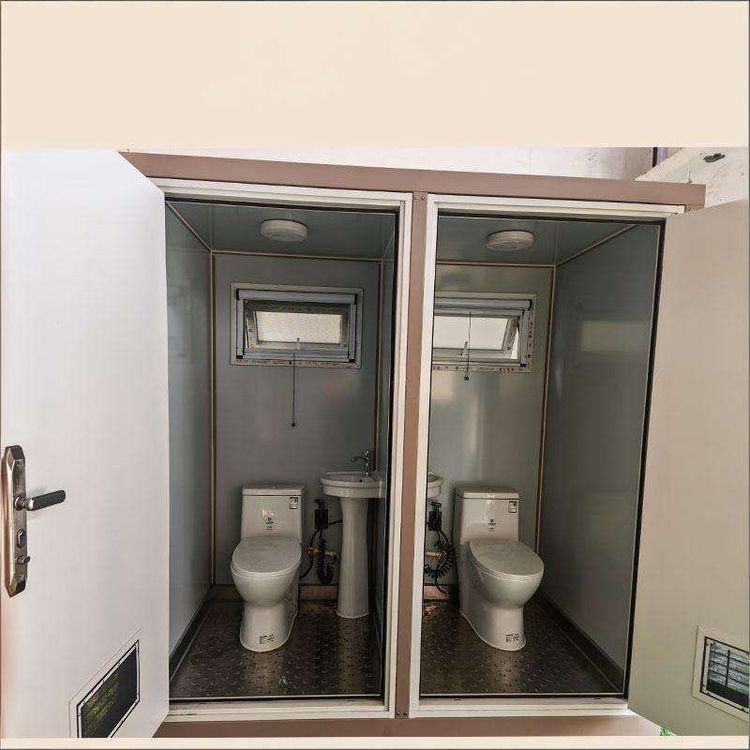
- Basic Module: It includes a fecal sewage storage tank (or disposal unit), flooring, walls, and a roof, forming a closed and sanitary space. The design of the storage tank needs to consider capacity and ease of cleaning and transportation, while the disposal unit involves biochemical treatment or physical filtration technology.
- Functional Equipment: Sanitary fixtures (such as toilets/squat pans), washing equipment (sinks, faucets), and water tanks form the core usage units. Some high-end models are equipped with additional functions such as hand dryers and deodorization systems.
- Mobile System: Depending on the application scenario, it is divided into two categories: lifting and handling type (relying on lifting equipment) and powered towing type (with its own traction device). The former is suitable for periodic relocation at fixed points, while the latter meets the needs of rapid long-distance deployment.
Classification System
- By Structural Form: Single-unit mobile toilets are independent and complete units, while composite-structure ones achieve functional expansion through modular combinations, such as adding management rooms or barrier-free facilities.
- By Sewage Treatment Method: Water-flush types rely on a continuous water supply, non-water-flush suction types collect feces through vacuum negative pressure, circulating water-flush types use reclaimed water technology, and dry-pack types use biodegradable film bags to achieve zero emissions. Different technical routes correspond to application scenarios with varying water resource conditions.
This type of facility effectively solves the problems of long construction periods and difficult site selection for traditional public toilets through standardized design and modular production, playing an important role in emergency support, tourism support, urban renewal, and other fields.
Related