
Bishan Mobile Toilet Processing
For mobile toilet processing in Bishan, you can contact local and surrounding enterprises in Chongqing with relevant capabilities. Processing should comprehensively consider factors such as practicality, durability, environmental protection, and exterior design, and follow the process of design, procurement, assembly, and inspection.
Selection of Processing Enterprises
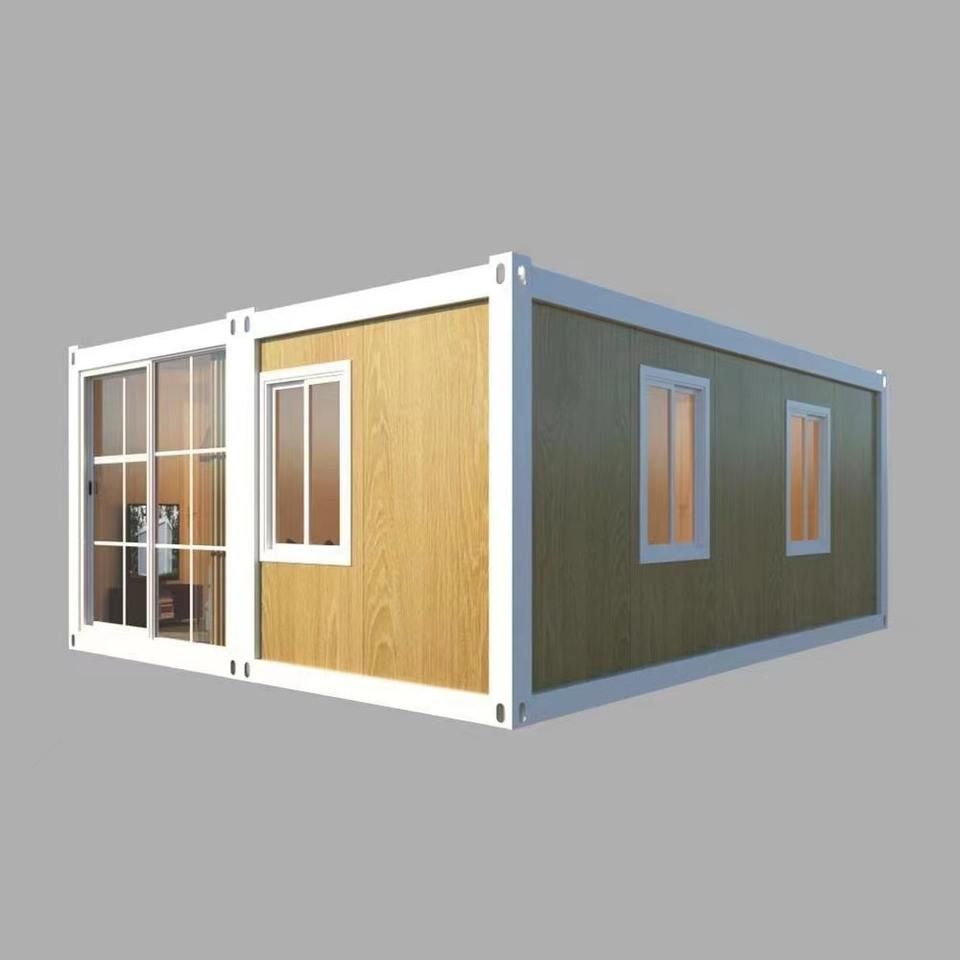
There are several enterprises in and around Bishan that can provide mobile toilet processing services. Chongqing Yindong Transportation Facilities Co., Ltd. is located in Dadukou District, Chongqing, and has a full range of capabilities including the design, production, sales, and maintenance of mobile public toilets, making it a preferred choice for localized services. Chongqing Huazhifeng Environmental Protection Technology Co., Ltd. offers customized services for mobile toilets made of steel structure carved panels, covering the entire country, with advantages such as high cost-effectiveness, durability, and rapid response. For more extensive customization options, Sichuan Xinjiangzhu Integrated Housing Co., Ltd. focuses on the research and development of integrated housing and mobile toilets, emphasizing structural stability and material selection, and can provide personalized solutions; Jinhua Xin'an Steel Structure Engineering Co., Ltd., although located in Yiwu, Zhejiang, provides one-stop services for customized designs of mobile houses, containers, etc., with business similarities to mobile toilet processing, and can be considered for cross-regional cooperation.
Key Points of the Processing Process
Mobile toilet processing typically involves four stages: Design stage requires planning the layout based on usage scenarios (such as scenic spots, construction sites, temporary events) and functional requirements (such as the number of squatting positions and types of sanitary ware); Material procurement involves selecting corrosion-resistant panels (such as stainless steel, carved panels), water-saving sanitary ware, and anti-aging pipes; Production and assembly requires strictly following the design drawings to process components, ensuring structural stability and tightness; Quality inspection involves checking whether the finished product meets hygiene standards, waterproof performance, and load-bearing requirements, with some enterprises also conducting simulated usage tests.
Considerations for Processing
Practicality is the core, requiring the toilet to be stably used in different terrains (such as slopes, soft soil foundations) and climatic conditions, and meeting basic hygiene needs. Durability requires materials to withstand high temperatures, severe cold, humidity, and other environments, such as using anti-corrosion treated steel or high-density plastics. Environmental protection is reflected in water-saving designs (such as sensor faucets), ecological treatment technologies (such as microbial degradation), and the use of renewable energy (such as solar power systems). Exterior design should harmonize with the surrounding environment to avoid being out of place, for example, toilets in scenic spots can adopt imitation wood grain or natural color schemes, while those on city streets can blend into modern minimalist styles.



