Back to blog
Article
Benefits of Portable Toilets
Admin September 28, 2026
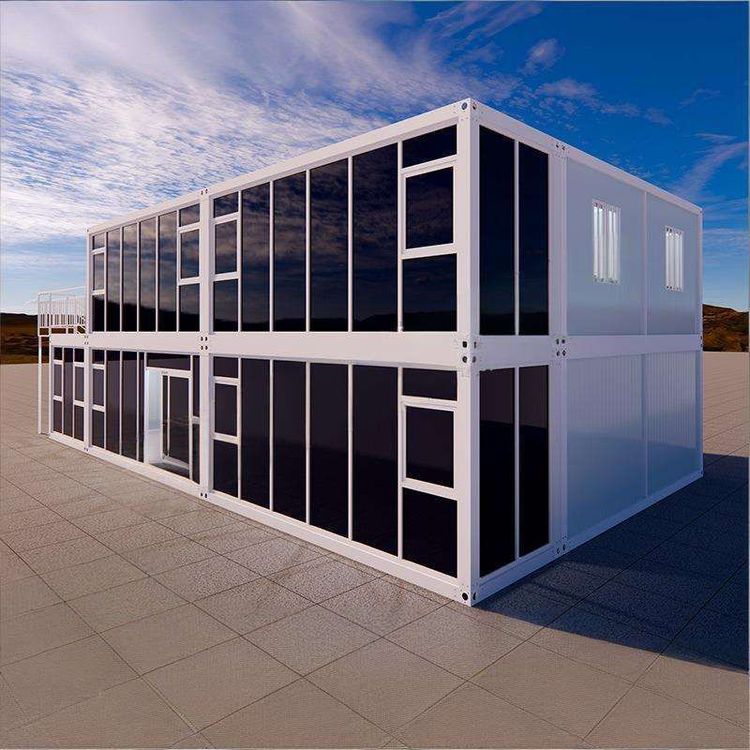
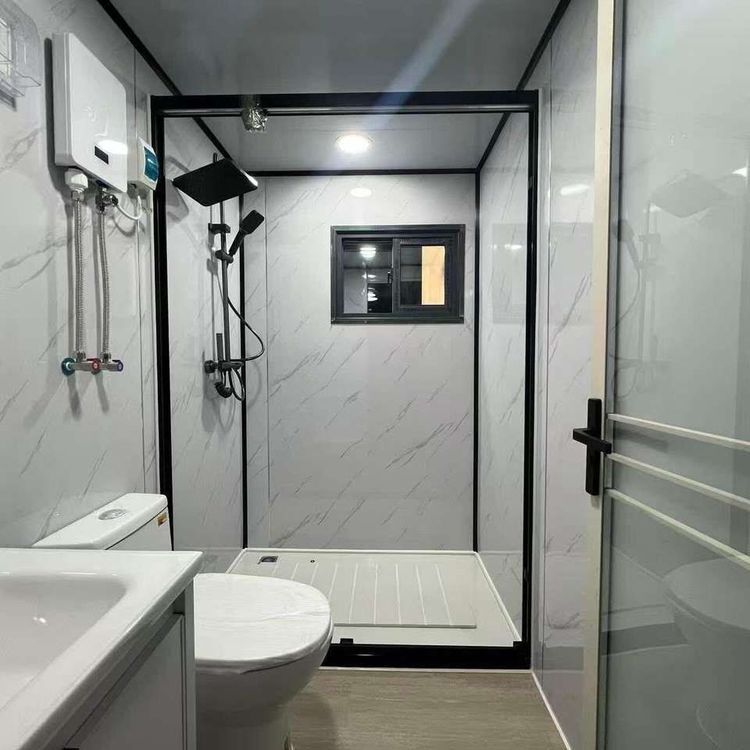
Portable toilets offer numerous advantages, including saving land resources, being eco-friendly and recyclable, preserving value, enabling quick construction, being energy-efficient and cost-effective, reducing pollution, being versatile and flexible, easy to move, aesthetically pleasing, offering high cost-performance, adapting to site changes, having diverse treatment methods, and being efficient in construction.

- Saving Land Resources: Portable toilets occupy a small area and have low land requirements, making them particularly suitable for spaces with limited room, such as narrow city streets and temporary event venues, effectively improving the utilization rate of land resources.
- Eco-Friendly and Recyclable: Made from eco-friendly panels, the materials are recyclable, and the overall framework is mostly constructed from steel, aligning with green building concepts and reducing resource waste and environmental pollution.
- Value Preservation and Multiple Uses: They can be reused multiple times. In cases of road reconstruction or site changes, they can be easily hoisted and transported to other locations for continued use, which is not possible with traditional toilets, and their demolition requires significant manpower and resources.
- Simplified Approval and Quick Construction: The approval process is simplified, avoiding the cumbersome land planning approval procedures required for traditional toilets. Construction is quick, taking about a month to complete and put into use, whereas the construction period for traditional toilets is typically 3-6 months.
- Energy Efficiency and Cost-Effectiveness: Portable toilets reduce energy consumption and are cost-effective in terms of construction costs. Compared to traditional toilet construction, they are less expensive and offer better cost-performance.
- Reducing On-Site Pollution: They reduce reliance on on-site construction, avoiding environmental pollution such as dust, noise, and sewage, which is beneficial for protecting the surrounding environment.
- Versatility and Flexibility: They come in a variety of appearances to meet different needs and have a wide range of applications. They can reach areas that fixed toilets cannot, such as regions with terrain and condition limitations, demonstrating high adaptability.
- Lightweight Structure for Easy Movement: Made from lightweight steel, they are easy to disassemble and move, allowing for flexible adjustments in position as needed.
- Stylish and Aesthetically Pleasing Appearance: Compared to the monotonous appearance of traditional toilets, portable toilets have a more stylish and aesthetically pleasing look, enhancing the city's image.
- Adapting to Site Changes: They can adapt to site changes, reducing resource waste caused by the demolition of fixed facilities. For example, mobile public toilets in Dalian are flexibly deployed during peak tourist seasons to alleviate toilet pressure in crowded areas.
- Diverse Treatment Methods: Appropriate treatment technologies can be adopted based on the limitations of the usage environment to meet the needs of different scenarios.
- Efficient Construction Process: They are usually prefabricated in factories and can be installed and used on-site, differing from traditional toilets in terms of manpower, material, and financial investment, and improving construction efficiency.