Back to blog
Article
Beipotang Mobile Toilet
Admin September 28, 2026
Currently, there is no specific public information available about the 'Beipotang Mobile Toilet'. The following provides a general introduction to the common types, design considerations, and application scenarios of mobile toilets:

Common Types of Mobile Toilets
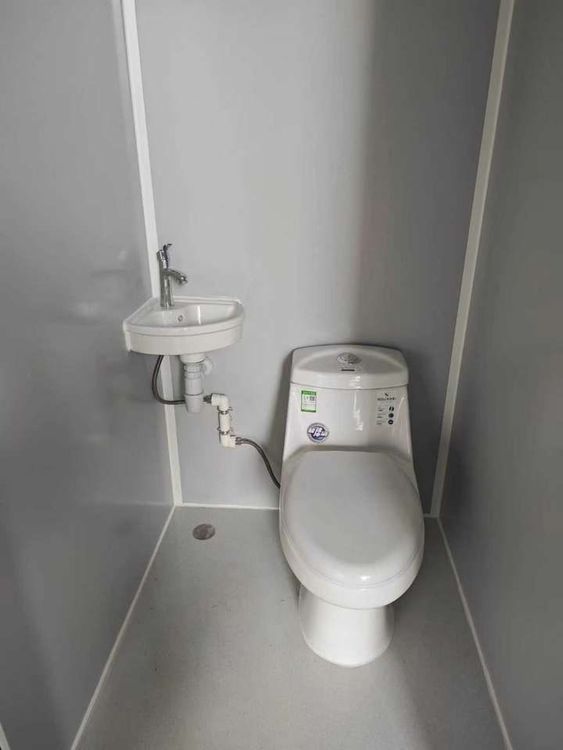
- Single-unit Mobile Toilets: These have a relatively simple structure, typically consisting of a single independent toilet compartment equipped with basic facilities such as a toilet (either a sit-down or squat-type) and a sink. These toilets are small in size, easy to move and install, and suitable for temporary events or venues, such as outdoor music festivals and sports event sites.
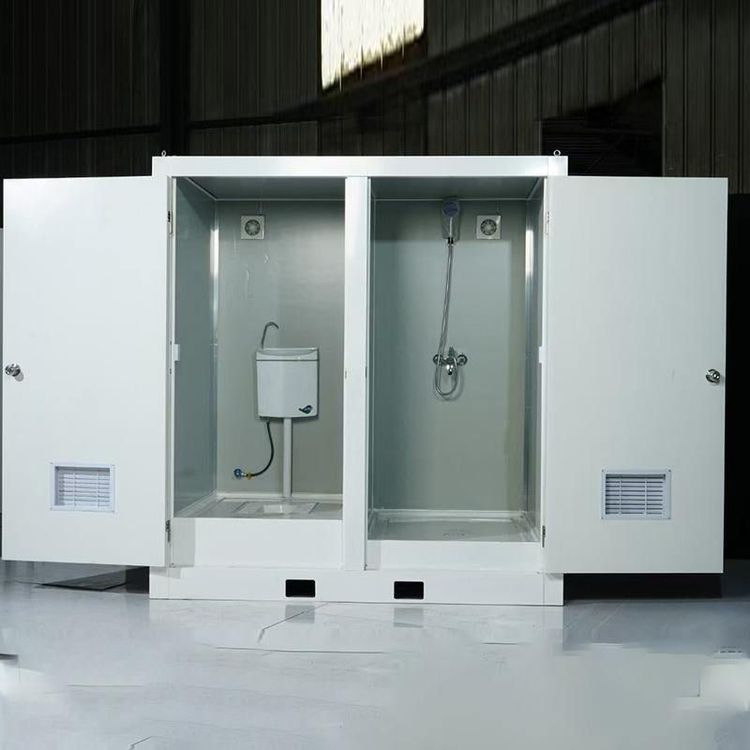
- Connected Mobile Toilets: Composed of multiple toilet compartments connected together, these can be configured with different numbers of toilet stalls according to actual needs to accommodate larger crowds. Connected mobile toilets usually also include a management room for storing cleaning tools and sanitary supplies, and are commonly found in large construction sites, tourist attractions, and other densely populated areas.
- Trailer-mounted Mobile Toilets: Installed on trailers and moved by vehicles, these toilets offer high mobility and can be quickly transported to different locations as needed. They are suitable for situations requiring frequent relocation, such as mobile performances and emergency rescue operations.
Design Considerations for Mobile Toilets
- Ventilation Design: Good ventilation is crucial for maintaining fresh air inside mobile toilets. A combination of natural and mechanical ventilation methods is typically used, with ventilation openings or exhaust fans installed in the toilet compartments to promptly remove odors and provide a comfortable user environment.
- Sewage Treatment: Depending on the usage scenario and environmental requirements, mobile toilets employ different sewage treatment methods. Common approaches include direct discharge, packaging, and biological treatment. Direct discharge is suitable for venues with a sewer system; packaging involves collecting feces and other waste in packages for regular disposal; and biological treatment uses microorganisms to decompose waste, achieving harmlessness and resource utilization.
- Exterior Design: The exterior design of mobile toilets should harmonize with the surrounding environment while considering functionality and practicality. Durable and easy-to-clean materials, such as stainless steel and color-coated steel plates, are generally used for the exterior to enhance the service life and aesthetic appeal of the toilets.
Application Scenarios of Mobile Toilets
- Tourist Attractions: Provide convenient toilet facilities for tourists, enhancing the service quality and visitor experience of the attractions.
- Urban Streets: Supplement the shortage of public toilets to meet the toilet needs of citizens and pedestrians.
- Large Event Venues: Ensure the smooth progress of events by preventing inconvenience to participants due to toilet issues.