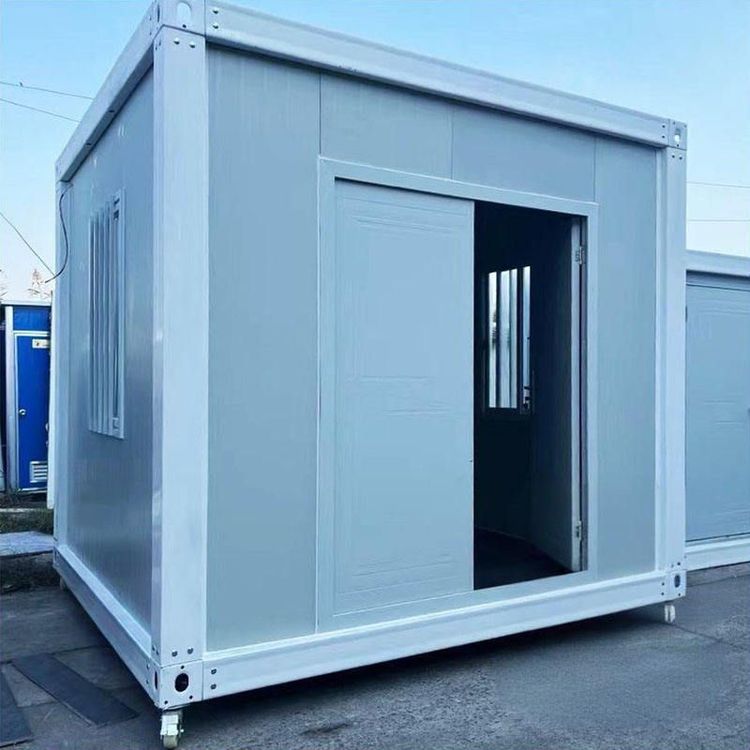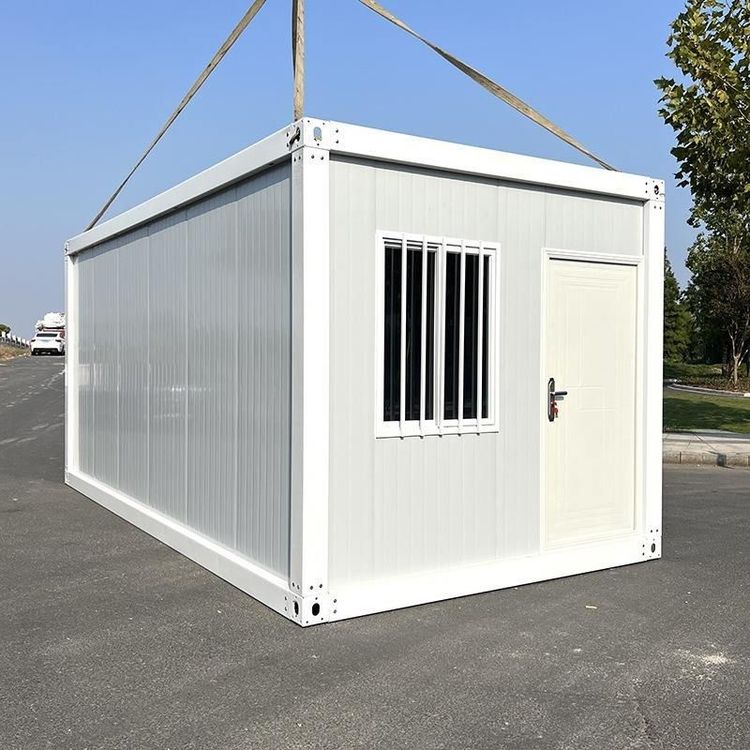
Exhibition Mobile Toilet Rental and Installation
The rental and installation of mobile toilets for exhibitions should follow the following procedures and standards to ensure safety, hygiene, and efficient use:

1. Confirm the installation site in advance It is necessary to clarify the installation location with the service provider, giving priority to areas with high pedestrian traffic (such as near the venue entrance and audience rest areas), while avoiding low-lying areas prone to water accumulation, power equipment areas, and storage areas for flammable and explosive materials. The site should meet the conditions of flat terrain and convenient drainage to prevent equipment tilting or damage due to uneven ground or water accumulation.
2. Basic preparatory work
- Ground treatment: Upon arrival, the installation team should check the flatness of the ground. If the ground is soft, it should be padded with gravel, steel plates, or wooden boards to enhance stability and prevent equipment from sinking.
- Drainage planning: Plan the sewage pipes in advance, prioritizing the connection of sewage pipes to nearby drainage outlets to ensure smooth sewage discharge.
- Equipment inspection: After receiving the leased equipment, check the quantity, appearance, water tank capacity, and completeness of accessories against the list. If any damage or missing items are found, immediately contact the supplier for replacement or supplementation.
3. Equipment assembly and commissioning
- Modular installation: Mobile toilets usually adopt a modular design. First, fix the main frame and then connect the water and electricity systems. During assembly, ensure that all components are tightly connected without looseness.
- Function testing: Check whether the flushing device is working properly, whether the valve switches are flexible, and whether the drainage is smooth; test the lighting, ventilation fans, and door lock functions after powering on to ensure the equipment operates without abnormalities.
- Seal inspection: For models with fecal tanks, confirm that the tank body is sealed without leakage to prevent odor diffusion or environmental pollution.
4. Hygiene cleaning and signage
- Cleaning and disinfection: After installation, thoroughly clean the inside and outside of the toilet, including wiping surfaces, disinfecting toilets, replacing garbage bags, and replenishing consumables such as toilet paper and hand soap.
- Signage setting: Place a "Restroom" sign in a prominent position to guide the audience; post usage instructions and safety warning signs (such as "No Smoking" and "Children Must Be Accompanied by Adults") at the entrance. At night, add reflective signs to enhance safety.
5. Post-installation inspection and acceptance After installation, jointly inspect the equipment operation status with the lessor, focusing on testing functions such as flushing, sink water outlet, and door locks. After confirmation, both parties sign to confirm that the installation is qualified, ensuring clear responsibilities.
6. Post-maintenance tips During the exhibition, arrange for dedicated personnel to check the equipment status daily, promptly clean up garbage, and replenish supplies. If blockages or malfunctions are found, report for repair immediately and formulate emergency response procedures (such as activating backup lighting in case of power outages and using special tools to unclog drainage blockages) to ensure the normal use of the exhibition.