Mobile Public Toilets in Beijing Parks
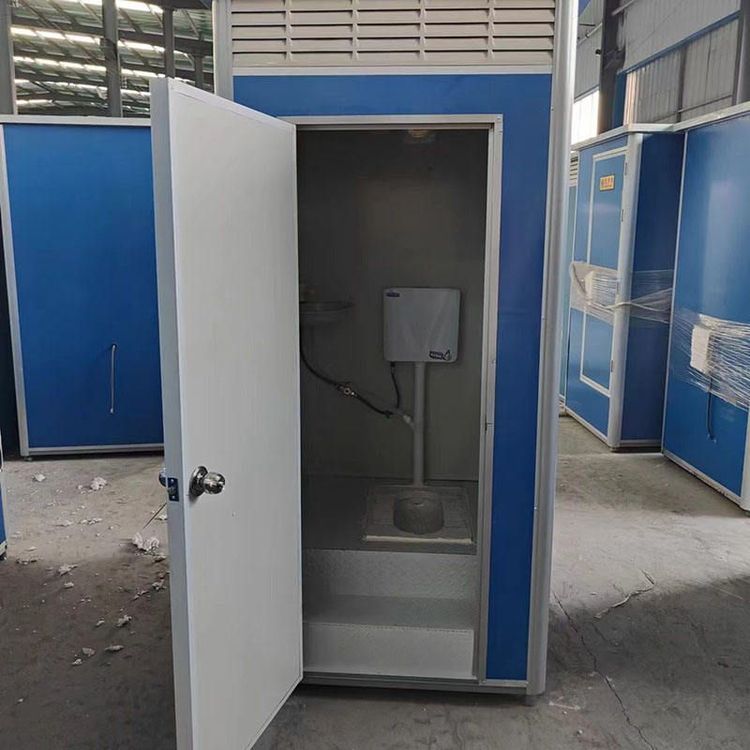
Mobile public toilets in Beijing parks represent a typical case of the deep integration of innovative environmental protection technologies with urban public services, with designs that balance functionality, environmental protection, and landscape integration. This is specifically reflected in the following aspects:

1. Modular Design and Barrier-Free Facilities
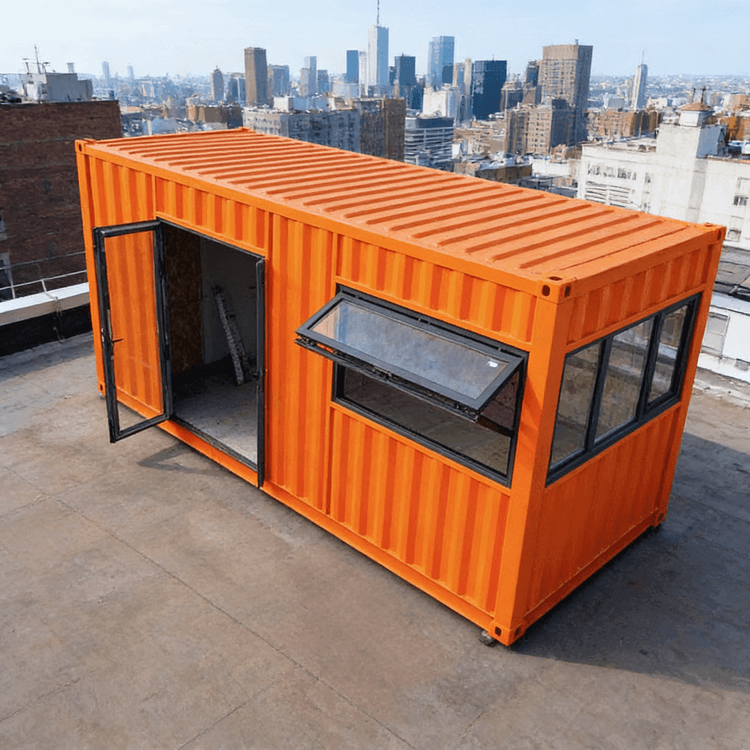
Mobile toilets use containers as carriers and adopt modular structures, facilitating rapid deployment and flexible adjustments. Taking the park north of Mingguang Bridge in Haidian District as an example, it has added barrier-free toilet compartments inside, equipped with children's toilets, baby changing tables, safety handrails, and emergency call devices, covering the diverse needs of the elderly, families with young children, and people with disabilities, reflecting the humanized design of public services.
2. Integrated Application of Environmental Protection Technologies
- Vacuum Negative Pressure Sewage Discharge System: By using negative pressure technology, the water consumption per flush is reduced to less than 1/10 of that of traditional water-flush toilets (about 0.5 liters), while also reducing odor diffusion and lowering water resource consumption and sewage discharge.
- Solar Power Supply and Cogeneration: During the day, solar panels are used to store electrical energy for nighttime use. Some models introduce methane power generation modules produced by the anaerobic fermentation of excreta, achieving energy self-sufficiency and recycling.
- Biodegradation and Resource Utilization Treatment: A dry-wet separation mechanism is adopted. Urine is filtered through membranes and converted into irrigation water, while feces are composted through aerobic composting with biological agents to generate organic fertilizers, reducing dependence on municipal sewer systems and promoting waste resource utilization.
3. Landscape Integration and Ecological Compensation
The appearance colors and shapes of the toilets are custom-designed to harmonize with the natural environment of the parks. Some facilities adopt elevated structures at the bottom or set up planting troughs around them, compensating for the reduced green space due to facility occupation through vertical greening, balancing functionality and ecological benefits.
4. Social Value of Technological Innovation
These mobile toilets, through technological integration (such as vacuum negative pressure, microbial degradation, and solar power supply) and humanized design, solve the problems of high water consumption, strong odors, and high maintenance costs in traditional toilets. At the same time, they provide replicable environmental protection solutions for urban public service facilities, promoting the transformation of public spaces towards green and sustainability. Their modular characteristics also make them suitable for diverse needs such as temporary events and emergency scenarios, expanding the adaptability of urban infrastructure.