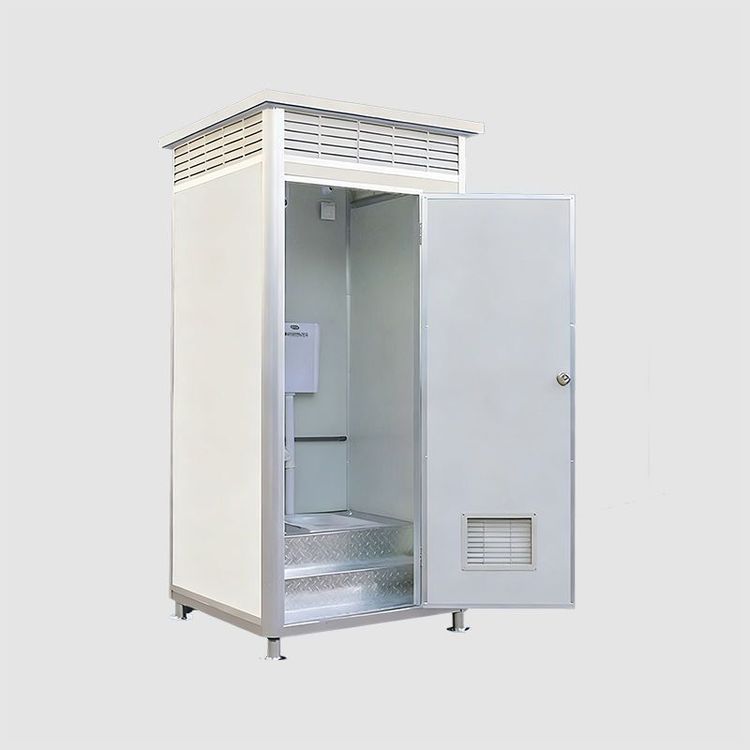
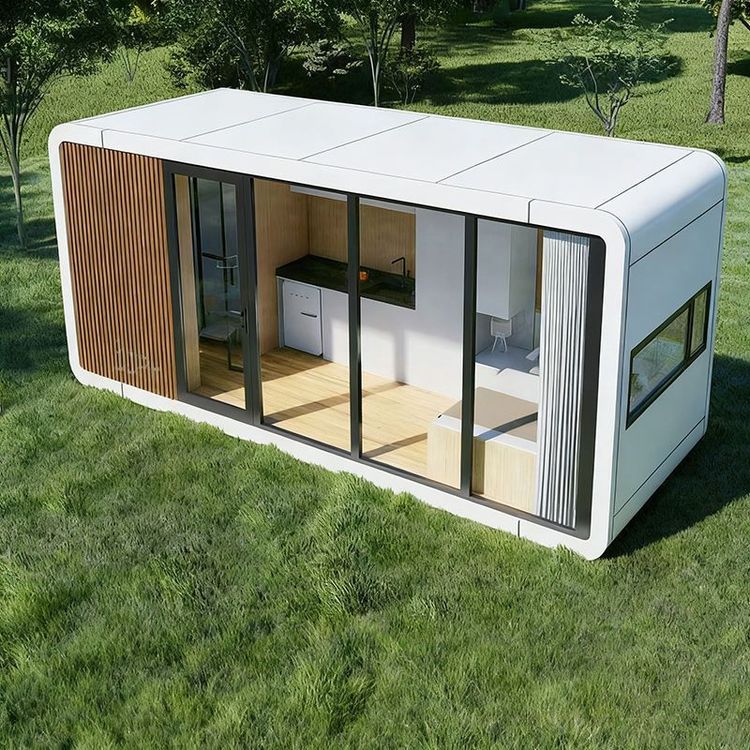
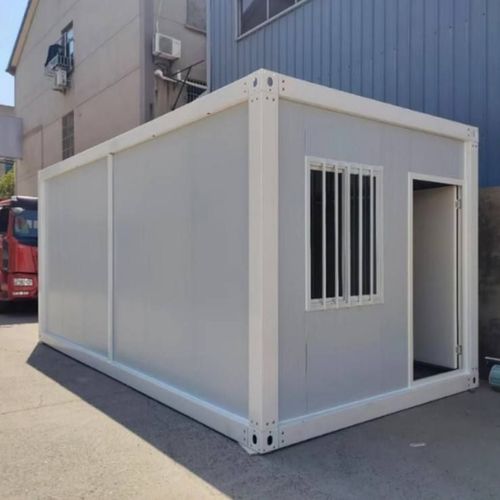
Beijing Mobile Toilet Maintenance
The maintenance of mobile toilets in Beijing requires coordinated efforts across multiple aspects, from daily upkeep to in-depth management. The specific aspects are as follows:

1. Daily Cleaning and Disinfection
The interior of the toilet should be thoroughly cleaned daily, including the floor, walls, sinks, toilets, and urinals. Neutral cleaning agents should be used to avoid corroding the surfaces of the facilities. Disinfection should focus on frequently touched areas (such as door handles, flush buttons, and sink faucets) by wiping them down. After disinfection, rinse off any residue with clean water. The cleaning frequency should be adjusted based on usage, with more frequent cleaning required in high-traffic areas.
2. Facility Inspection and Repair
- Water System: Regularly inspect the water pipes for leaks, the flexibility of water valve switches, and the functionality of flushing devices. In winter, take anti-freezing measures (such as wrapping with insulation materials or draining residual water).
- Electrical System: Daily checks should be conducted on the operational status of lighting fixtures, exhaust fans, and automatic sensors. Replace any burnt-out bulbs promptly. Electrical faults should be handled by professional electricians to avoid safety hazards caused by unauthorized disassembly.
- Structural Components: Check the sealing of doors and windows, the integrity of partitions, and the waterproofing of the roof. Lubricate hinges if doors and windows do not open smoothly, and replace aging seals. Repair or replace cracked or deformed partitions to prevent structural instability.
3. Consumables and Parts Replacement
Regularly replace consumables such as toilet paper, hand soap, paper towels, and trash bags based on usage to avoid shortages that affect the user experience. When replacing parts, choose high-quality products that are compatible with the original facilities, such as toilet seats, faucet cartridges, flush valves, and drain pipes, to extend their service life.
4. Odor Control and Environmental Management
Enhance air circulation by installing exhaust fans or ventilation windows. Use eco-friendly deodorizers to absorb odors and avoid corroding the facilities with chemical agents. Trash bins should be cleaned daily to prevent odor buildup from accumulated garbage. Ensure that the area around the toilet is free of clutter and that drainage ditches are unobstructed.
5. Regular In-Depth Maintenance
Conduct a comprehensive in-depth maintenance every quarter or half-year, including identifying and recording all potential facility issues, cleaning scale and debris from water tanks, pipes, and drainage channels, and adjusting door and window hinges and tightening screws to prevent functional abnormalities caused by loose parts.
6. Maintenance Records and Repair Management
Assign dedicated personnel to be responsible for daily cleaning and equipment maintenance, recording cleaning times, consumable replacements, and fault repairs to create a traceable maintenance archive. Equipment faults should be repaired according to technical procedures. For non-human-induced damages within the warranty period, contact the manufacturer for free repairs to ensure repair quality.