Back to blog
Article
Introduction to Beijing Mobile Smart Toilets
Admin September 20, 2026
Beijing Mobile Smart Toilets have revolutionized traditional management and user experience models by integrating multiple technologies. The specific features are as follows:

I. Intelligent Management Technologies
- Contactless Access Control System: Utilizes infrared or microwave sensing devices to replace physical locks, automatically triggering opening and closing commands by detecting human movement or object distance. This eliminates manual contact and provides convenience for individuals with mobility impairments. Door status is uploaded in real-time to the management terminal for remote monitoring.
- Smart Consumables Replenishment: Paper towel dispensers and soap dispensers are equipped with weight or optical sensors to accurately measure remaining quantities. When stock falls below a safe threshold, the system automatically generates alerts containing location and material type information, which are pushed to maintenance personnel terminals for predictive maintenance.
- Intelligent Cleaning Scheduling: Ground moisture sensors and image recognition modules assess cleanliness levels, combining usage frequency, environmental data, and historical records. Through algorithmic models, the optimal cleaning time is calculated, and task orders are generated, shifting cleaning modes from fixed schedules to on-demand responses.
- Smart Management System: Sensors collect data on toilet occupancy, ambient temperature and humidity, ammonia concentration, and water and electricity consumption, which are transmitted via IoT modules to the management platform. Maintenance personnel can remotely monitor equipment status, receive fault or material alerts, and implement preventive maintenance.
II. Environmental and Energy Optimization Technologies
- Intelligent Indoor Environment Regulation: Air composition analyzers monitor ammonia and hydrogen sulfide concentrations, automatically activating ventilation equipment when levels exceed standards. Particulate matter sensors are linked to air purification systems. Lighting and water systems are equipped with presence sensors, automatically entering low-power mode when unoccupied to reduce energy consumption.
- Energy Self-Sufficiency Design: Photovoltaic power generation components are installed on roofs or exterior walls, converting solar energy into electricity and storing it in batteries for use by lighting, ventilation, and control equipment. Some models are equipped with energy management systems that dynamically adjust energy consumption based on usage frequency.
- Sewage Treatment and Reuse: Multi-stage technologies including solid-liquid separation, biological treatment, and filtration and disinfection are employed. Treated water is reused for non-potable purposes such as toilet flushing, forming an internal water cycle and reducing reliance on external water sources.
III. User Experience Enhancement Design
- External Guidance System: Display screens integrate data from door sensors and occupancy timers, with some systems using graphics or colors to show the occupancy status of adjacent restrooms, aiding users in route selection.
- Accessibility and Maternity Facilities: The interior space accommodates wheelchair passage and is equipped with baby care stations, child safety seats, and emergency call buttons, enhancing convenience for special groups.
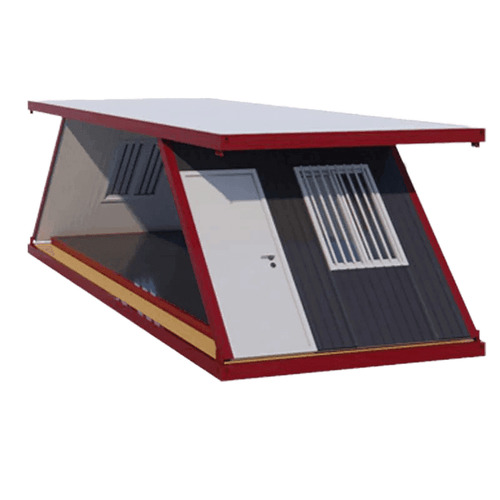
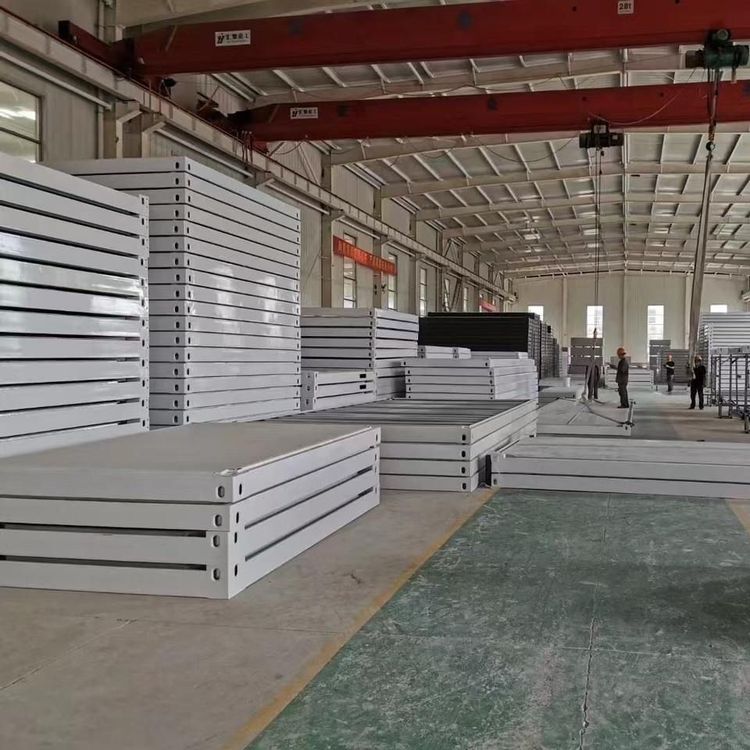
- Integrated Design: Independent functional systems are combined through modular assembly into prefabricated structures, enabling standardized factory production and rapid on-site installation, shortening construction cycles and improving space utilization.
Related