
Beiguan District Portable Toilets
Although Beiguan District's portable toilets are not directly mentioned, reference can be made to the relevant design and functional characteristics of Beijing's mobile toilets. Their design philosophy and operational model balance convenience, environmental protection, and practicality, with specific features as follows:
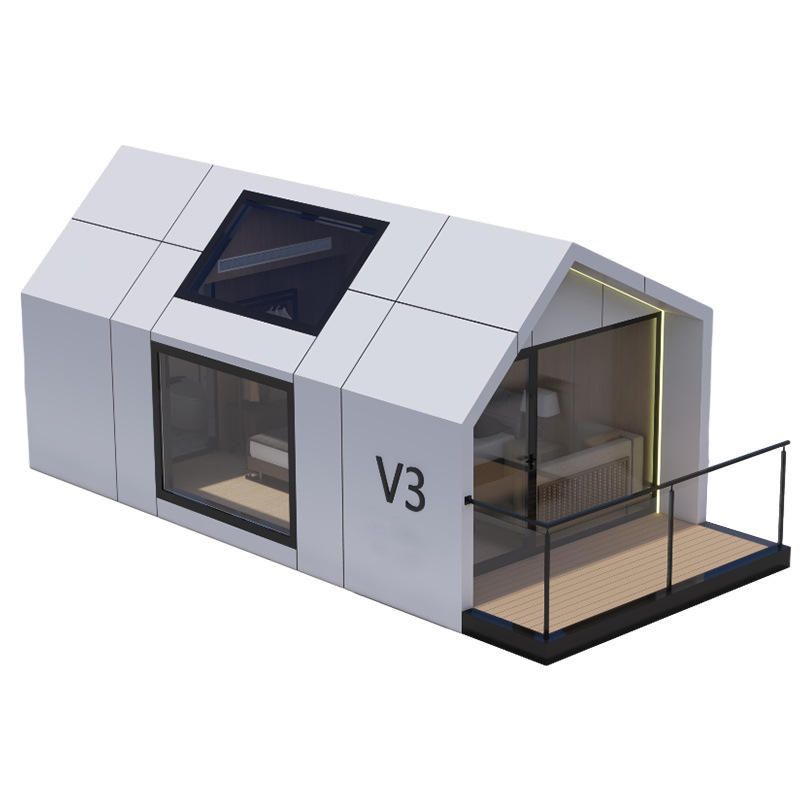
1. Modular Structure and Rapid Deployment
The basic framework of the portable toilet is made of lightweight, high-strength modular materials, such as high-density polyethylene formed in one piece, with forklift slots reserved at the bottom for easy overall transportation and rapid installation. A single unit can be used independently or expanded in capacity through splicing to meet different scenario requirements. For example, in large-scale events or temporary venues, management departments can deploy them in advance based on crowd flow predictions and quickly remove them after the event to reduce site occupation.
2. Independent Sewage Disposal and Environmental Protection Treatment System
The internal core system includes a waste collection device, a water circulation flushing unit, and ventilation equipment. For sewage disposal, self-contained waste storage tanks or small-scale biological treatment units are often used, achieving 'waterless collection' technology: Excrement is directed into sealed waste storage boxes through gravity or vacuum suction, with the boxes featuring double-layer anti-corrosion coatings and anti-leakage valves to prevent pollution leakage. After the event, suction trucks extract the waste, which is then converted into organic fertilizer after solid-liquid separation, forming a closed-loop circulation path and reducing reliance on municipal sewage systems.
3. Odor Control and Hygiene Assurance
Odor management employs a dual mechanism of 'chemical sealing + physical filtration': Biological enzyme degradants are injected into the waste storage boxes to accelerate organic matter decomposition; activated carbon filtration devices and negative pressure fans are installed on top to continuously expel odors and filter the air. Additionally, the ventilation system ensures internal air circulation, reducing bacterial growth and ensuring hygiene during use.
4. Intelligent Operation and On-Demand Scheduling
Management departments predict crowd flow peaks and distributions through data analysis, deploying portable toilets in advance to areas with sudden increases in demand (such as scenic spot entrances or event core areas). After tasks are completed, the equipment can be transferred to other locations or retrieved for maintenance, optimizing resource allocation efficiency. For example, the mobile toilets rented for large-scale events in Beijing follow this logic, achieving dynamic coverage and flexible response.
5. Applicable Scenarios and Extended Functions
Portable toilets are suitable for areas without fixed sewage disposal facilities, such as temporary construction sites, disaster relief sites, or outdoor event venues. Some high-end models are also equipped with solar power supply, smart sensor flushing, barrier-free design, and other functions, further enhancing user experience and environmental performance.



