Beichen Mobile Toilet Production
The production of Beichen mobile toilets requires integrating multiple aspects such as materials, technology, design, and environmental protection to achieve efficient and durable public sanitation solutions through modular production.
Material Selection: Balancing Lightweight and Durability
The main materials for mobile toilets should be selected flexibly based on the usage scenario. Temporary scenarios (such as construction sites) often use lightweight materials like SMC fiberglass or color-coated steel sheets (with added flame retardant layers) to reduce costs and meet the need for rapid assembly and disassembly. Long-term outdoor scenarios require more corrosion-resistant materials, such as 304 stainless steel or galvanized steel sheets, to resist UV aging and rust. The structural design of wall panels and roof panels should be layered, with the outer layer requiring waterproof and fireproof properties, and the inner layer focusing on thermal insulation and soundproofing.
Technology Integration: Emphasizing Intelligence and Environmental Protection
Internal functions should integrate water-saving and sewage disposal technologies. Water-saving squat toilets and automatic sensor flushing systems can reduce water consumption; odor-proof sealing structures (such as U-shaped traps) and ventilation and deodorization devices (such as exhaust fans or activated carbon filters) can effectively control odors. The mainstream technologies for sewage disposal systems include:
- Bagging type: Suitable for areas without sewers, collecting waste in biodegradable bags;
- Microbial degradation type: Using microbial colonies to decompose organic matter for harmless treatment;
- Vacuum negative pressure type: Reducing water consumption through negative pressure suction, suitable for high-traffic locations.
Sewage pipes should be made of high-density polyethylene (HDPE) material and ensure sealing through hot-melt welding processes. High-end products can also be equipped with solar power systems, intelligent liquid level monitoring, and remote alarm functions for unmanned management.
Modular Design: Supporting Rapid Assembly and Relocation
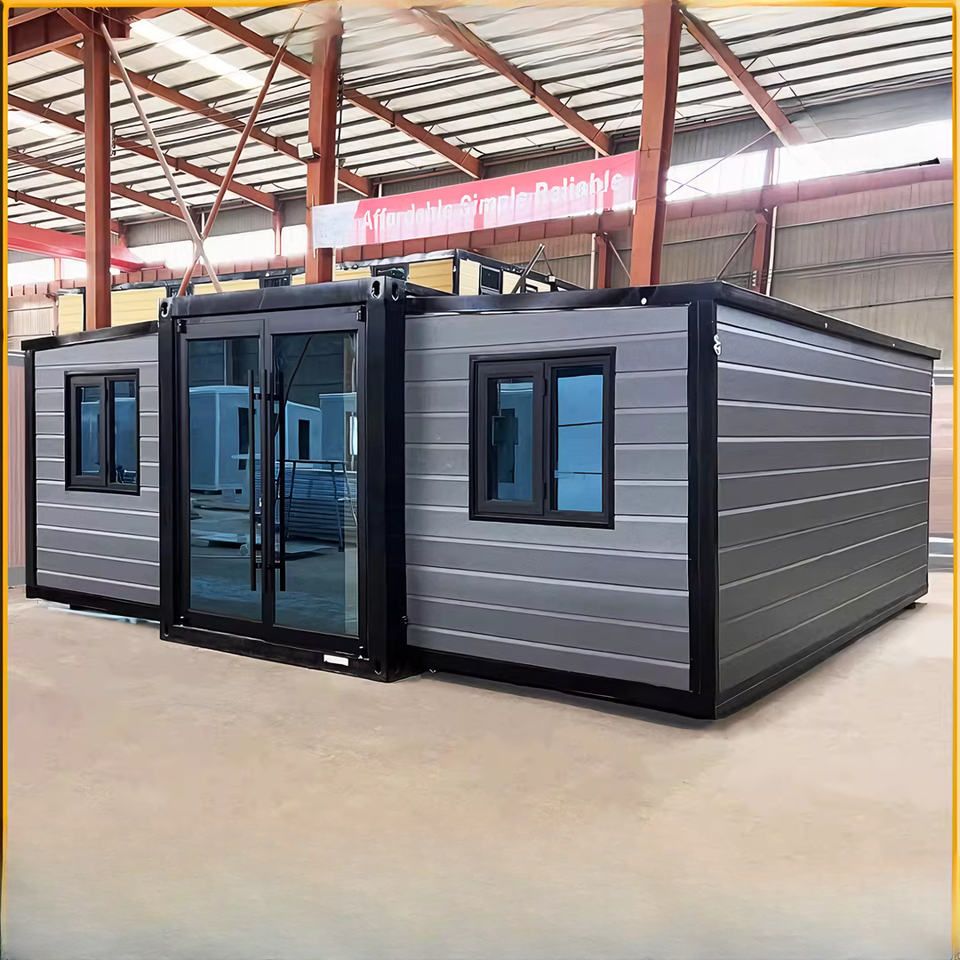
Mobile toilets are manufactured using standardized molds, with production processes including sheet forming and assembly testing. The chassis adopts an overall molding process to reduce seams and enhance leak prevention; walls and roof panels are connected via snaps or bolts, supporting rapid assembly and disassembly. The modular structure can adapt to different land conditions (such as slopes and narrow spaces) and meet the flexible adjustment needs in scenarios with population mobility.
Environmental Protection and Durability: Full-Process Quality Control
During production, attention should be paid to the environmental friendliness and recyclability of materials, with some companies using recycled plastics or metal scraps. The production line should include climate simulation tests (such as high-temperature, low-temperature, and humid environments) to optimize sealing, wind resistance, and weather resistance. Additionally, full-process quality control (such as raw material testing and finished product pressure testing) should be implemented to ensure a product lifespan of 5-10 years or more.
Application Scenarios and Supplier Evaluation
Mobile toilets are widely used in temporary or semi-permanent scenarios such as urban fringes, construction sites, and large-scale events. When selecting suppliers, it is necessary to evaluate their supply chain management capabilities (such as pipe material testing reports) and after-sales service systems (such as maintenance response times and spare parts inventory lists) to ensure long-term usage stability.