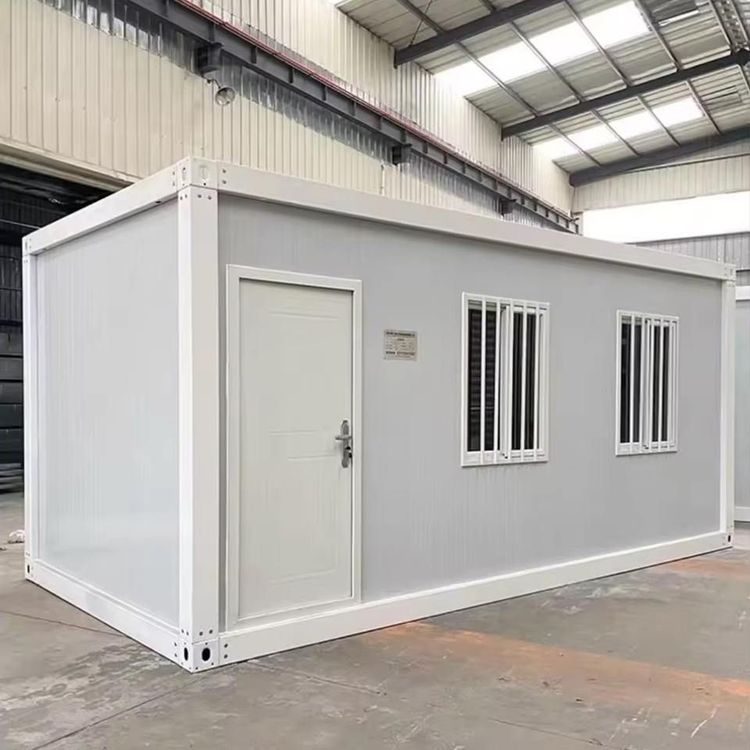
Bathroom Indoor Mobile Toilet
Currently, indoor dual-purpose mobile commodes are the main products related to bathroom indoor mobile toilets, while designs or products for integrated indoor mobile toilets are relatively rare. Here is a detailed introduction:

I. Common Product Types At present, the common indoor mobile toilet-related products on the market are indoor dual-purpose mobile commodes. Their features include:
- Portability and Lightness: Made of high-quality resin material, they are lightweight yet sturdy and durable, facilitating easy handling and storage.
- Comfortable Design: Equipped with ergonomic seats that softly conform to the contours of the buttocks, enhancing user comfort.
- Versatility: Suitable for various scenarios, such as being used by the elderly or those with mobility issues beside the bed to avoid nighttime toilet risks; they can also be carried during outdoor camping to solve wilderness toilet problems.
II. General Composition and Classification of Mobile Toilets The general structure of mobile toilets typically includes the following parts:
- Core Components: Fecal sewage storage tanks (or disposal devices), sanitary ware (such as commodes or squat toilets), and water tanks.
- Supporting Structure: Flooring, walls, and roofs that form an enclosed usage space.
- Auxiliary Equipment: Washing facilities (such as sinks) and mobile devices (such as wheels or lifting structures).
Mobile toilets can be classified into the following types based on different criteria:
- Structural Form:
- Single-unit structure: Independent units suitable for scenarios with limited space.
- Composite structure: Composed of multiple modules, allowing for functional or capacity expansion.
- Mobility Method:
- Lifting and handling type: Relies on mechanical handling, suitable for short-term use at fixed locations.
- Powered and towed type: Equipped with a power system or towable, facilitating long-distance transportation.
- Sewage Treatment Method:
- Water-flushing and waterless suction type: Relies on water sources for flushing or regular suction of feces.
- Recirculating water-flushing type: Reuses water resources through a filtration system, reducing consumption.
- Dry-packing type: Uses biodegradable bags to collect feces, requiring no water source, suitable for water-scarce environments.
III. Limitations of Integrated Indoor Mobile Toilets Currently, no specific designs for integrated indoor mobile toilets have been mentioned in search results. Such products may face the following challenges:
- Space Adaptability: Indoor space is limited, necessitating a balance between functionality and compactness.
- Odor Control: Efficient ventilation or sealing designs are required to avoid affecting indoor air quality.
- Installation Convenience: The assembly process needs to be simplified to accommodate the operational needs of ordinary users.
For further information on specific products or customized solutions, it is recommended to consult professional sanitary equipment suppliers or environmental technology companies.