Should You Go to the Toilet During Basketball Movement Training?
It is recommended to go to the toilet and empty your bladder in a timely manner during basketball movement training to avoid holding urine. Although there is no direct information on how to go to the toilet during basketball movement training, from a health perspective, holding urine during such training can have many adverse effects, as detailed below:
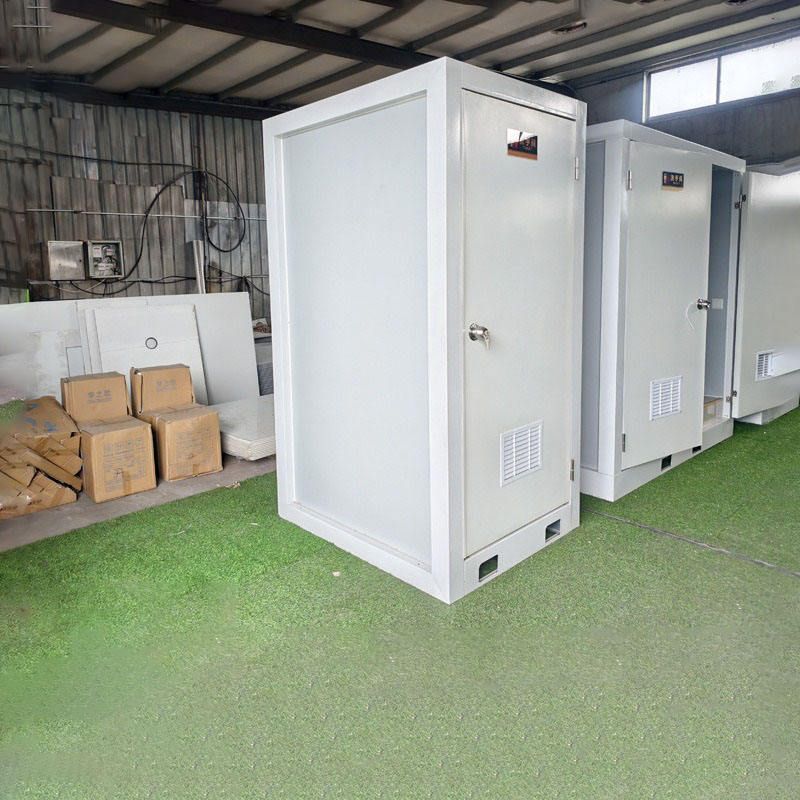
Pain and discomfort caused by overfilled bladder: During basketball movement training, the body is in a state of high-intensity exercise, and all organs are working in coordination. If you hold urine at this time, the bladder will continuously expand. When it reaches a certain level, it will exert pressure on the surrounding tissues and organs, causing pain and discomfort. This pain may distract the athlete's attention, affect training effectiveness, and even lead to sports injuries.
Increased risk of urinary system infections: Urine is a waste product of human metabolism and contains a certain amount of bacteria and toxins. Holding urine for a long time will cause the urine to remain in the bladder for an extended period, providing a favorable environment for the growth and reproduction of bacteria. After a large number of bacteria multiply, they can easily cause urinary system infections, such as cystitis and urethritis. These infections will not only cause physical pain to the athlete but may also affect training progress and performance.
Impact on athletic performance and concentration: Basketball movement training requires athletes to maintain a high level of concentration and quick reaction ability. Holding urine will create a psychological burden for the athlete, worrying about issues such as urine leakage, thus distracting attention and affecting athletic performance. In addition, holding urine may also cause physical discomfort, preventing the athlete from performing at their best during training.
Induction of bladder muscle dysfunction: Holding urine for a long time will keep the bladder muscles in a tense state, which may eventually lead to bladder muscle dysfunction over time. This will affect the normal contraction and relaxation functions of the bladder, making urination difficult and even causing serious problems such as urinary retention.
Possible urine reflux and kidney damage in severe cases: In extreme cases, holding urine may cause urine to reflux into the kidneys, causing damage to the kidneys. The kidneys are important excretory organs in the human body, and once damaged, they will seriously affect physical health.