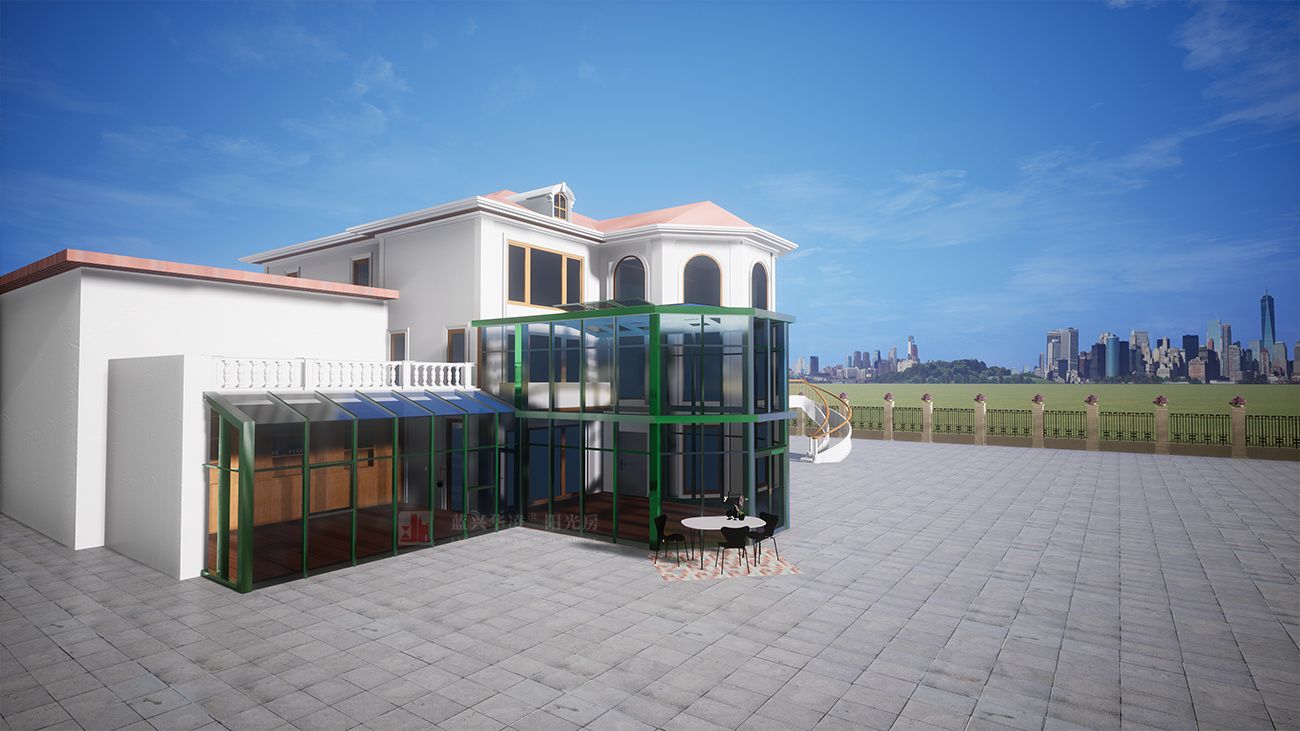
Basic Facts About Sunroom Pricing
Sunrooms serve diverse applications—understanding sunroom pricing basics helps informed procurement.
Sunrooms offer excellent ventilation but can overheat in summer without proper design. Overall, they provide attractive aesthetics and thermal performance when specified correctly. Compared with full glass-roof sunrooms, some enclosed types offer less daylight but better insulation. Roof windows and perimeter glazing expand functionality for greenhouses, sports halls, living rooms, children's areas, tea rooms, and studios.
After installation, sunrooms become personalized retreats—spaces to embrace sunlight and nature. Flexible layouts adapt to leisure, wellness, or social gatherings. These advantages drive rising sunroom pricing across markets.
Sunroom pricing varies by material. Components include primary frames, doors, windows, and glazing—the core cost drivers. Different specifications yield different quotes. Low market prices often reflect insufficient after-sales support or compromised material thickness and safety standards. Even millimeter differences within one brand can dramatically affect performance.
Manufacturing processes also influence sunroom pricing. Roof shape matters: diamond or round profiles typically cost more than flat or sloped designs; pointed forms exceed platform styles. For equal floor area, different shapes change roof geometry and glazing quantities, affecting total sunroom pricing. Taller designs with larger window areas increase costs proportionally.
Source from qualified manufacturers for fair sunroom pricing, reliable quality, and diverse product options. Contact us for procurement guidance.