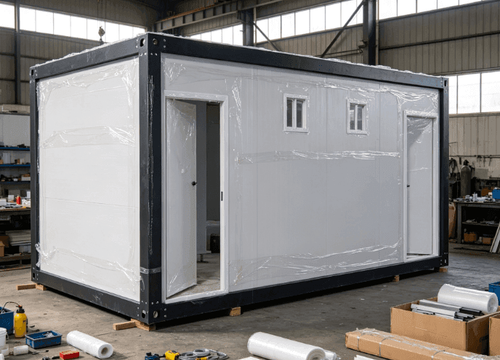
Baoquan Prefabricated Houses
"Baoquan Prefabricated Houses" is not explicitly mentioned. The following is information about prefabricated houses in China:
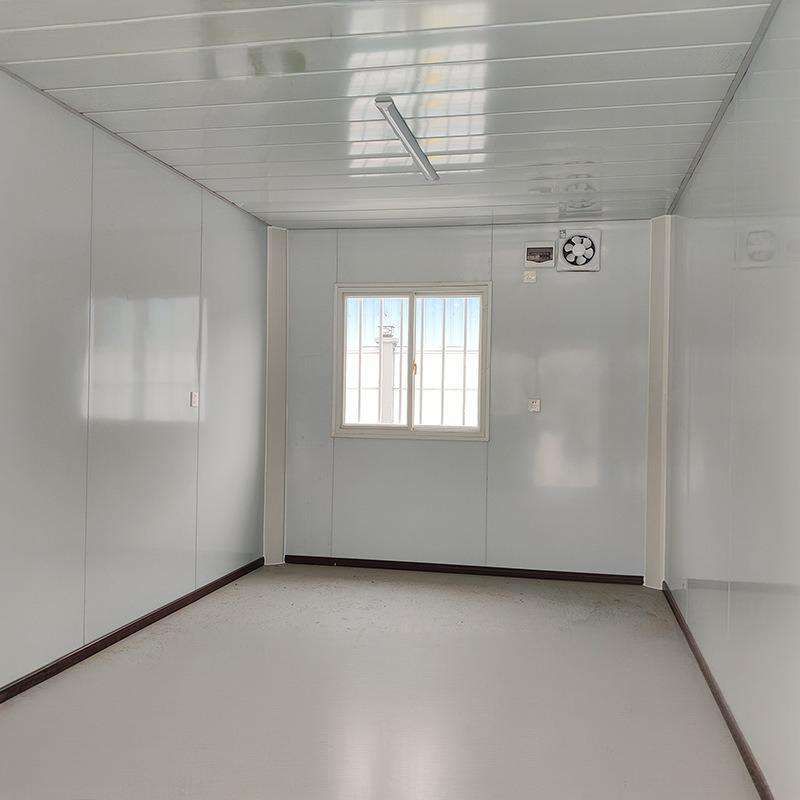
Definition and Types of Prefabricated Houses
Prefabricated houses, also known as prefabricated assembled buildings, are a form of construction where building components are industrially produced and then assembled on-site. The main types include panel-assembled, box-assembled, and frame-assembled structures. The technology encompasses prefabricated concrete and steel structures, with components such as beams, slabs, walls, and columns being prefabricated products.
Development Status of Prefabricated Houses in China
- Export Situation: By 2026, Chinese prefabricated houses had become popular in over 160 countries and regions worldwide. In the first half of 2026, China's total export value of prefabricated buildings reached $2.79 billion, a year-on-year increase of 45%. The Shenzhen port alone exported $2.45 billion worth of mobile houses.
- Cost Advantage: In Australia, the cost of modular housing imported from China is about 30% lower than that of locally constructed housing. In the Philippines, Chinese "prefabricated houses" enabled developers to build a 12-story, fully furnished apartment building in just nine days.
- Project Case: The developer of the world's tallest building, the Burj Khalifa, also invited Chinese companies to build a 50-meter-high residential building in the UAE, with a project value of up to $125 million.
Core Competitiveness of Chinese Prefabricated Houses
When Chinese prefabricated houses go abroad, they are not just selling steel and wall panels, but a systematic capability that integrates design, manufacturing, supply chain, and engineering delivery. This capability is supported by China's most complete industrial system in the world.
Main Forms and Comparative Advantages of Chinese Prefabricated Houses
Chinese prefabricated houses mainly come in three forms: steel, concrete, and wooden. Chinese companies have comparative advantages in steel and concrete structures. Steel structures are lightweight, suitable for ocean transportation and high-rise buildings, while concrete structures are closer to traditional living experiences and have higher acceptance in the domestic market.
Problems and Renovation Opportunities of Prefabricated Panel Houses
Prefabricated panel houses are buildings constructed primarily with prefabricated panels, which are cement components prefabricated in factories. Existing prefabricated panel houses generally suffer from weak earthquake resistance, poor sound and heat insulation, and a service life of about 30-50 years. By the end of 2025, China will "basically complete the renovation of urban old residential communities built before the end of 2000 that require renovation." A large number of prefabricated panel houses that have been in service for more than 25 years will face comprehensive renovation opportunities, with "precision surgeries" carried out according to different situations, including preservation and renovation as well as demolition and reconstruction.