Back to blog
Article
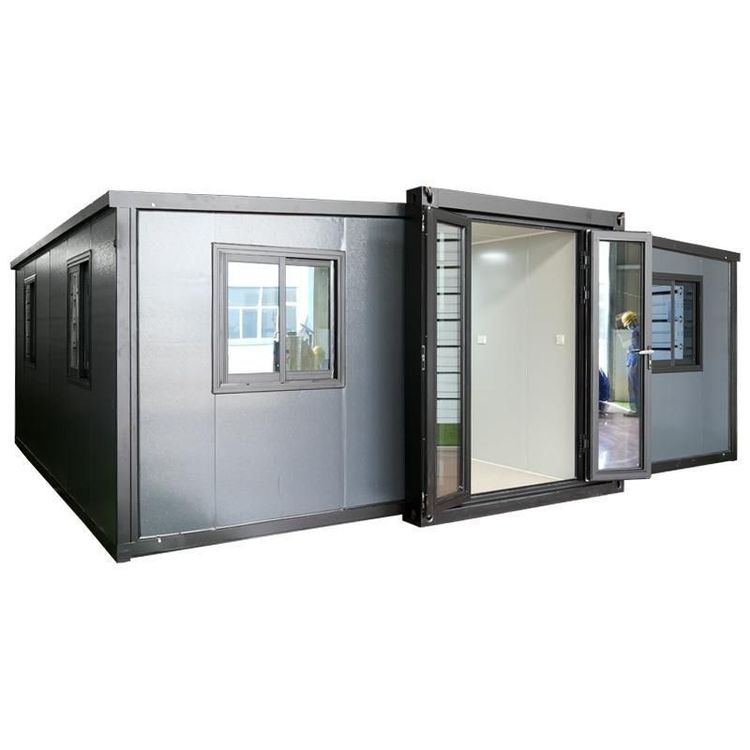
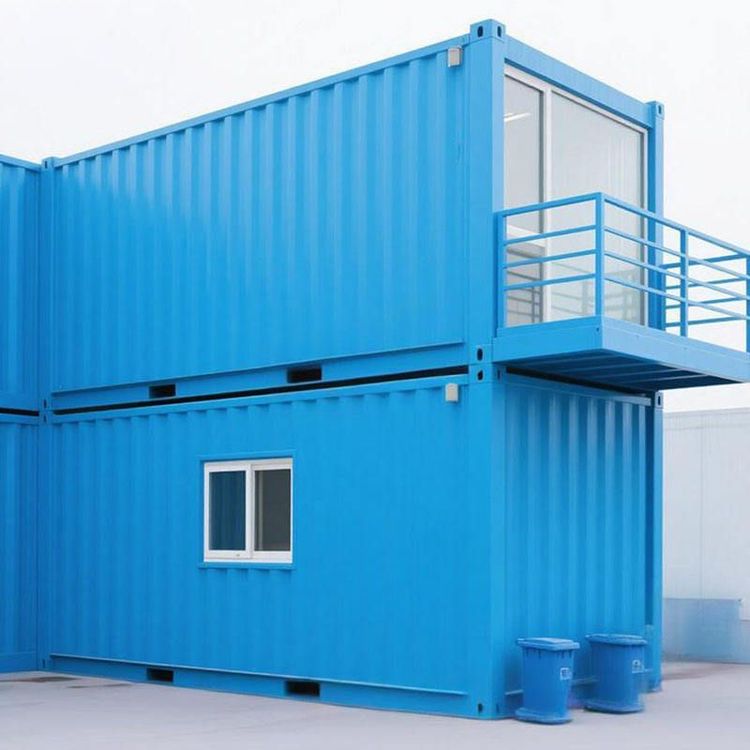
Baoji Mobile Toilet Construction
Admin September 21, 2026
The construction of mobile toilets in Baoji requires comprehensive consideration of material selection, quality detail control, and compliance maintenance, among other aspects.

I. Selection of Construction Materials
Two types of materials are required for mobile toilet construction:
- Infrastructure Materials: These include traditional building materials such as bricks, cement, and steel for constructing the main framework; and lightweight, high-strength materials like fiberglass and cubic structural materials to enhance overall stability and portability.
- Functional Accessories: Equipment such as streetlights (for nighttime illumination), fans (for ventilation), and water purifiers (for water quality purification) must be equipped to ensure complete toilet functionality. For example, the ventilation system should be combined with antibacterial interior walls to balance air circulation and surface cleanliness; nighttime guiding light strips can enhance safety during rainy weather.
II. Quality Details in Construction
The following core elements must be strictly controlled during construction:
- Structural Safety: Ensure robust load-bearing capacity for individual units through structural reinforcement design, with strong ground adaptability for quick deployment and use; anti-slip treatments should cover areas such as pedals and floors to prevent slipping on rainy days.
- Functional Integration:
- Water and Electricity Systems: Sensor-activated handwashing devices and water purifiers must coordinate with the power supply system to ensure water conservation and hygiene.
- Ventilation and Insulation: Equip with an independent ventilation system combined with insulation materials to adapt to different climatic conditions.
- Fire Prevention and Sound Insulation: Use flame-retardant materials and adopt silent damping designs for door locks to reduce usage noise.
- Human-Centric Design:
- Ergonomics: Hanging hooks for belongings, handrail heights, and mirror angles must be repeatedly calibrated; for example, handrail heights are typically set between 80-90 centimeters for ease of use by people of different heights.
- Special Needs: Parent-child toilets should reserve space for baby care tables, and units should include storage compartments for hygiene products to enhance convenience.
- Ease of Cleaning: Select easy-to-clean materials for interior walls to prevent stain adhesion; high-frequency contact areas such as door locks and handles should be smooth and corner-free for easy daily disinfection.
III. Compliance and Maintenance
- Approval Documents: After construction, obtain relevant approval documents from the local government to ensure compliance with environmental protection, hygiene, and other standards.
- Regular Inspections: Establish a maintenance system to regularly inspect the ventilation system, water and electricity lines, structural stability, etc., and promptly replace aging components.
- Cleaning Management: Clean antibacterial interior walls and sensor devices daily, and regularly disinfect areas such as door locks and handrails to maintain hygiene conditions.
Through material optimization, attention to detail, and compliance maintenance, mobile toilets in Baoji can achieve comprehensive goals of safety, durability, and humanization, meeting the long-term usage needs of public scenarios.
Related