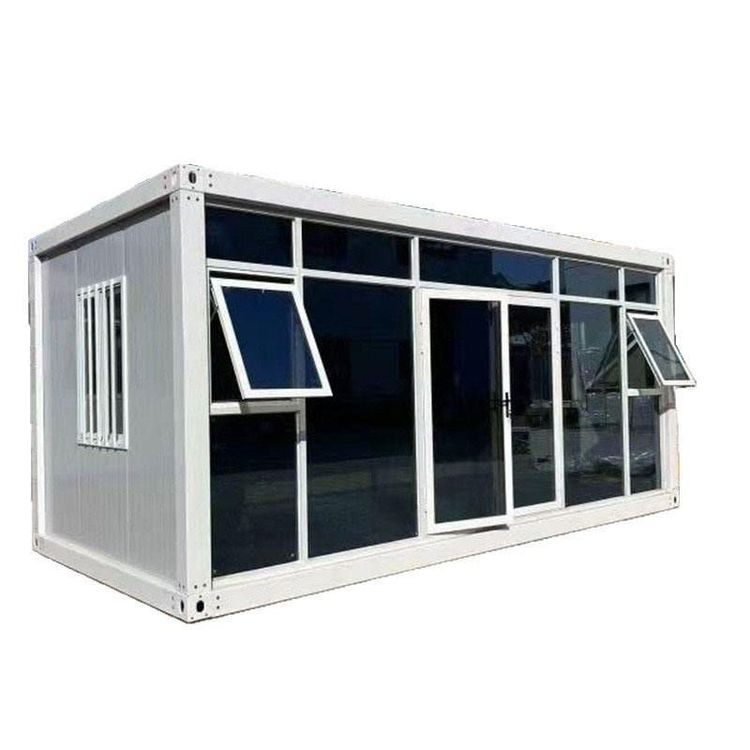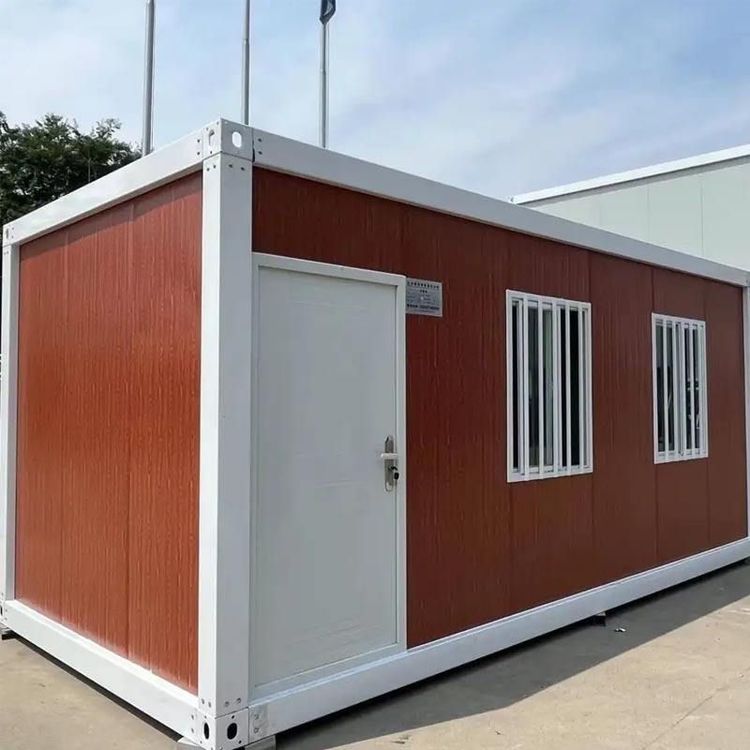
Environmental Protection of Mobile Toilets in Bao'an Shiyan
Mobile toilets in Bao'an Shiyan have demonstrated outstanding performance in environmental protection, employing multiple advanced technologies and aligning with the regional 'Toilet Revolution' to effectively address the pollution issues associated with traditional toilets.
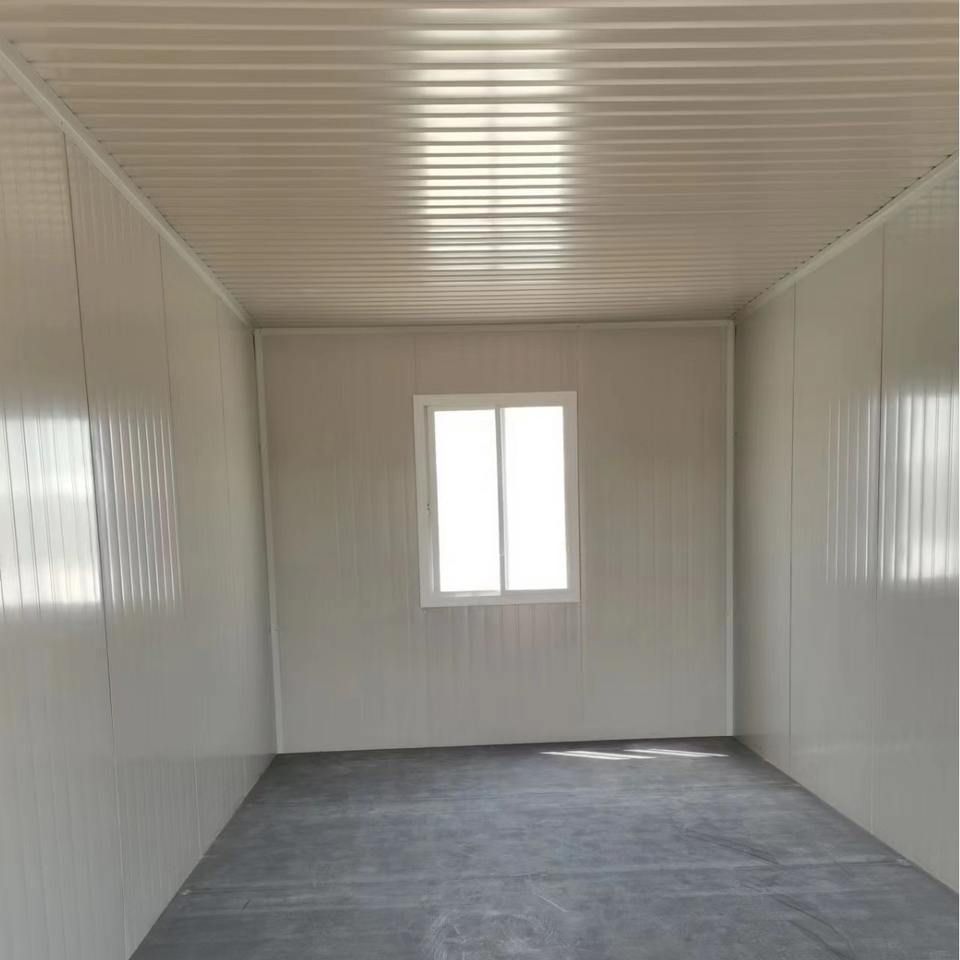
1. Vacuum Suction Technology Reduces Water Consumption and Pollution Mobile toilets in Bao'an Shiyan, such as the 'Easy Station,' incorporate vacuum suction systems that rapidly draw waste into treatment units using negative pressure. This technology uses only one-tenth of the water required by traditional flush toilets, significantly reducing water consumption. Additionally, waste is transported through sealed pipes, preventing sewage overflow and contamination of soil and groundwater, thereby minimizing sewage discharge from traditional toilet flushing at the source.
2. Microbial Degradation Technology Achieves Harmless Treatment The mobile toilets are equipped with built-in microbial degradation modules that utilize specific bacterial strains to decompose waste. These microorganisms can convert organic matter into carbon dioxide, water, and a small amount of inorganic salts within 24 hours, eliminating the need for external sewage pipes or septic tanks. The treated residues can be recycled as organic fertilizers, avoiding the foul odors and pathogen proliferation associated with traditional toilet waste accumulation while achieving resource utilization in line with circular economy principles.
3. Air Bacteriostatic Technology Eliminates Odors and Pathogen Transmission To address the persistent odor issues in traditional toilets, mobile toilets employ air bacteriostatic systems that continuously disinfect and deodorize the internal air using ultraviolet sterilization, photocatalytic decomposition, or negative ion purification technologies. For instance, photocatalysts can decompose odor molecules like ammonia and hydrogen sulfide under light while killing airborne bacteria and viruses, achieving a bacteriostatic rate of over 90%. This effectively improves the air quality in restroom environments and reduces the 'not-in-my-backyard' effect caused by odors.
4. Regional 'Toilet Revolution' Promotes the Popularization of Environmental Protection Facilities During the 'Toilet Revolution,' the Bao'an District Urban Management and Comprehensive Law Enforcement Bureau prioritized upgrading mobile toilets, ensuring their environmental performance met standards through unified planning and standardized construction. For example, mobile toilets have been added in densely populated areas like Shiyan Street, equipped with intelligent monitoring systems that track toilet usage and air quality data in real-time for timely maintenance and cleaning. This initiative not only enhances the environmental standards of public toilets but also reduces secondary pollution risks associated with manual intervention through scientific management.
In summary, mobile toilets in Bao'an Shiyan have formed a closed loop in water conservation, pollution reduction, and bacteriostasis through technological innovation and management upgrades, providing a replicable model for the environmental transformation of urban public health facilities.