
Baiyin District Portable Toilet
The portable toilets in Baiyin District are eco-friendly sanitation facilities that utilize advanced materials and modular design, suitable for various scenarios. Here is a detailed introduction from multiple aspects:
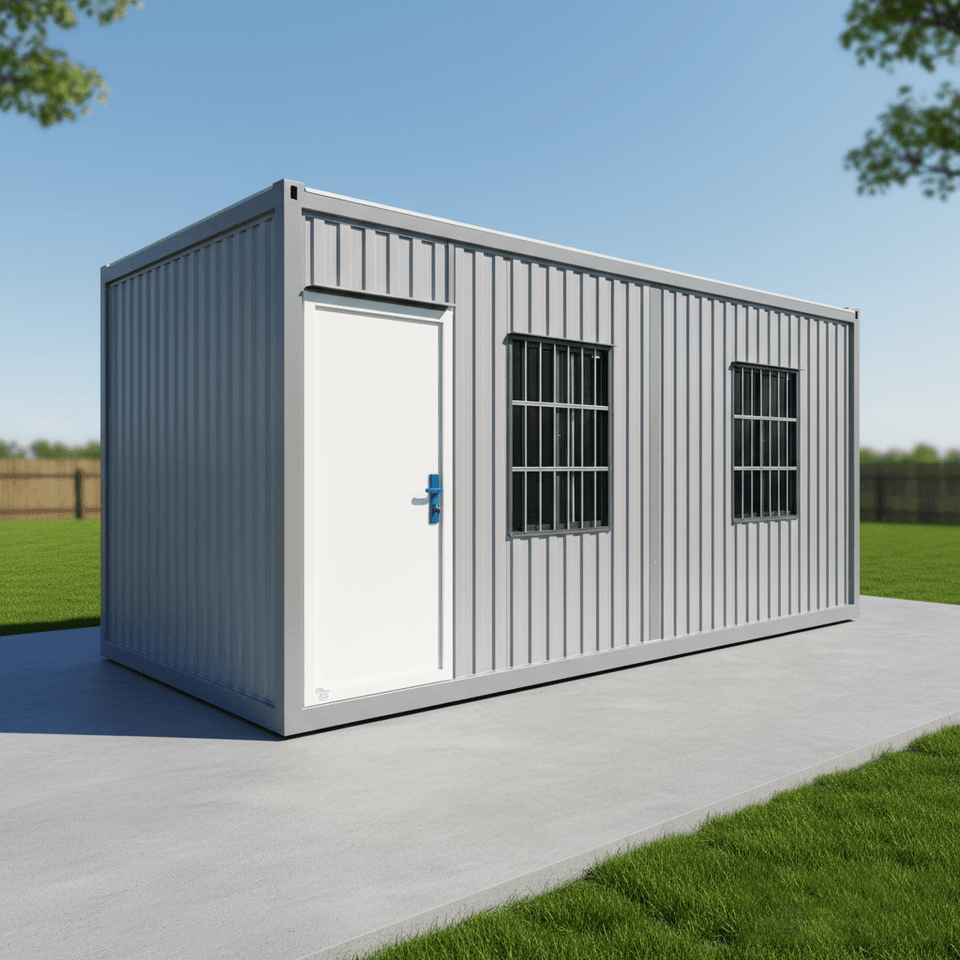
Rental Services: Baiyin District offers rental services for portable toilets, including portable restrooms, portable washrooms, and portable public toilets, suitable for events such as marathons, concerts, music festivals, and construction sites, meeting the temporary or long-term needs of activities of different scales and types.
Materials and Structure: The main material used is aluminum-zinc alloy steel plate, which is a high-temperature fusion of 55% aluminum, 43.4% zinc, and 1.6% silicon, forming a dense oxide layer on the surface with better weather resistance than ordinary steel. The structural design is a modular box, with wall panels filled with polyurethane foam material (with a closed-cell rate exceeding 90%), and the bottom plate featuring a double-layer design of anti-slip aluminum plate and anti-leakage tray, balancing strength and leak-proof performance.
Mobility and Deployment: For integral mobility, standard container corner fittings at the bottom of the box are used for transportation with lifting equipment; for assembled mobility, panels are disassembled and transported to the site for assembly, adapting to complex road conditions. Standard-sized products can be directly transported by flatbed trucks and quickly positioned with hydraulic devices; extra-large capacity models are modularly disassembled for transportation and deployed within 48 hours, requiring no pre-embedded pipelines, only needing to connect temporary interfaces or configure self-circulating systems.
Sewage Disposal and Environmental Protection: In cold regions, pipelines are wrapped with electric tracing tapes and covered with insulation materials to automatically adjust heating power for freeze protection; odor control is achieved through micro negative pressure devices that keep pipeline pressure lower than the interior, preventing gas reflux; waste disposal can be connected to prefabricated septic tanks or municipal sewage networks, with some models integrating biodegradation devices that utilize aerobic microorganisms for accelerated decomposition.
Functional Units: The structural unit includes a lightweight alloy frame and composite panel walls, supporting rapid assembly and disassembly; the sanitation unit integrates pressure flushing systems, biodegradation or chemical treatment modules, with some models featuring urine diversion structures for water conservation; the auxiliary unit includes ventilation systems, lighting equipment, and safety locks to maintain a stable internal environment.
Technological Evolution: The treatment system is transitioning to water-saving modes such as vacuum collection and microbial decomposition; structural design is evolving into foldable and expandable forms; management methods are shifting towards IoT remote monitoring, increasing the number of people served per unit time by approximately 25% and reducing operation and maintenance costs by 30%.



