
Baishan Outdoor Mobile Toilet
Baishan outdoor mobile toilets provide solutions for temporary sanitation needs in areas where fixed public sanitation facilities are insufficient or cannot be established.
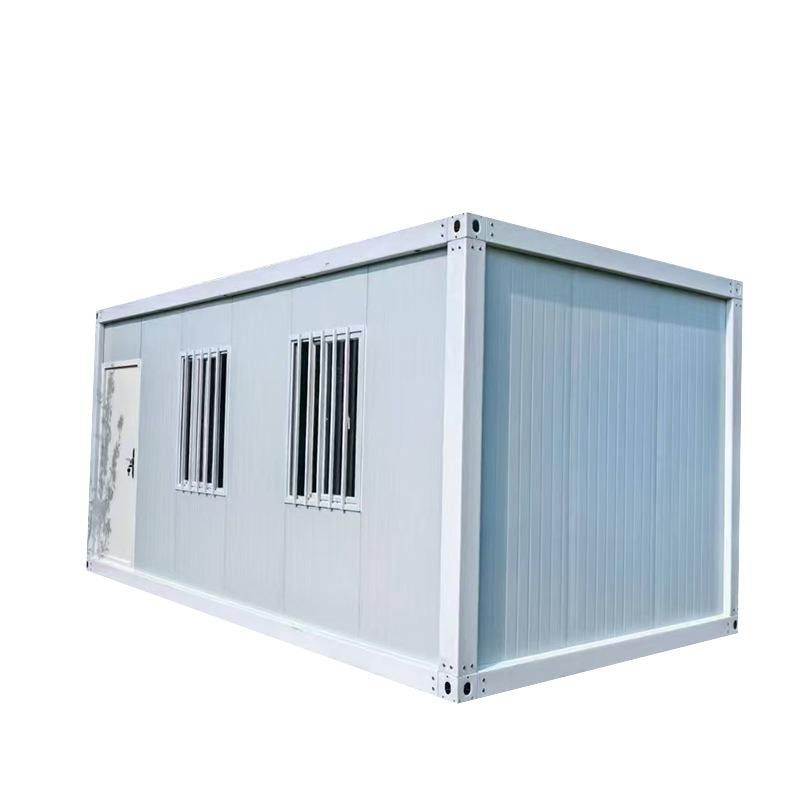
Specifications and Configurations
Service providers offer mobile sanitation units in various specifications based on usage scenarios, estimated foot traffic, and environmental conditions. Basic units aim to meet fundamental physiological needs, including simple flushing systems, waste collection devices, and ventilation facilities; upgraded units incorporate more water-efficient flushing technologies, expanded waste storage capacity, enhanced ventilation or deodorization systems, and may also feature barrier-free designs.
Functional Implementation
Their continuous usability relies on the orderly flow and transformation of internal materials and energy. Clean water is used for flushing, and the resulting waste, along with the flushing water, is directed into sealed storage containers, with capacity determining service cycles and maintenance frequency. To control microbial activity and odors, physical ventilation or the addition of chemical agents is used to slow down the decomposition of organic matter and maintain air quality. Solar power systems can support lighting or low-power ventilation equipment, reducing reliance on external energy sources.
Environmental Impact
On the input side, water-saving fixtures and renewable energy sources are used to reduce pressure on municipal water supplies and power grids; on the output side, collected waste is managed in a closed-loop manner to prevent leaks during storage, transportation, and final disposal, ensuring safe transfer to qualified facilities for centralized treatment and blocking potential pollution pathways to surrounding soil and water bodies. When deployed in specific natural environments or areas with strict ecological disturbance restrictions, design considerations must focus on the physical and ecological interfaces with the surrounding environment, such as using installation methods that minimize damage to surface vegetation, ensuring unit structural stability to withstand local climate conditions, and optimizing maintenance and resupply routes to reduce vehicle traffic impact.
Scenario Adaptation
Different outdoor activities have significantly varying needs. Large-scale sporting events with dense audiences and high usage frequencies require units with rapid recycling capabilities and high-strength structures; outdoor weddings or corporate team-building events emphasize appearance and environmental harmony, potentially equipped with additional modules such as mirrors and lighting; small-scale activities like wilderness hiking or scientific expeditions prioritize transportation convenience and minimal impact on the natural environment.



