
Bag-Box Mobile Toilet
Container mobile toilets are mobile sanitation facilities transformed from standard containers, featuring convenient transportation and installation, reusability, and environmental protection and energy efficiency.
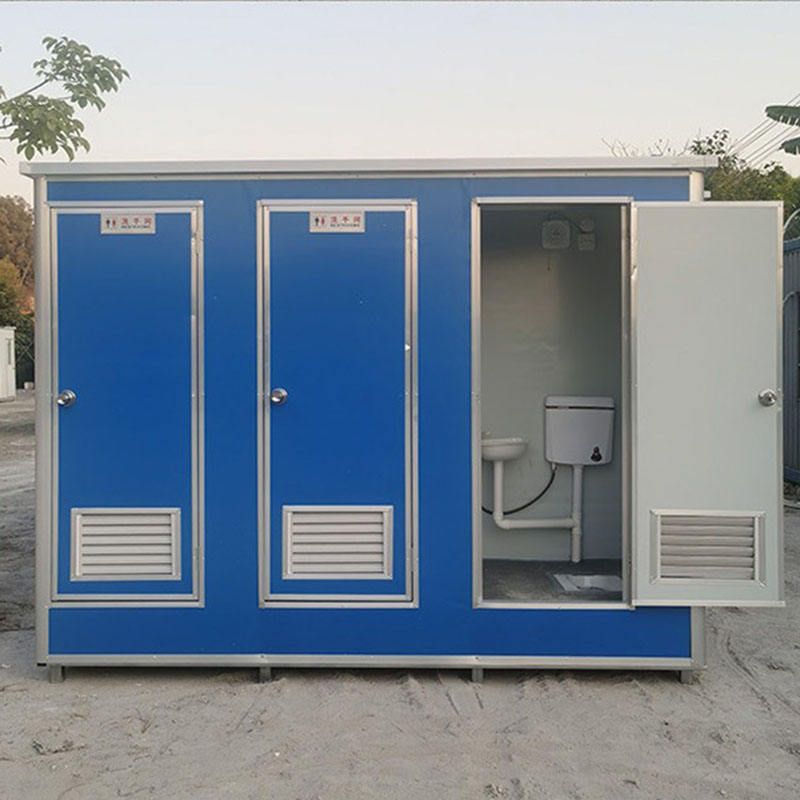
I. Structure and Configuration The main frame of container mobile toilets is usually made of welded steel structures, with anti-corrosion treatment on the surface to enhance durability and corrosion resistance. Wall panels are mostly made of thermal insulation sandwich panels, which not only effectively insulate heat but also meet environmental protection requirements, with recyclable and degradable building materials. Taking the popular container mobile toilet as an example, the model with six squatting positions for both men and women covers an area of about 18 square meters. Its interior design includes six squatting positions, one public hand-washing area, urinals and independent squatting positions in the toilet compartments, and a complete water and electricity system to meet basic usage needs. Factory-customized container mobile toilets may adjust the number of toilet positions according to requirements, such as three toilet positions with separate areas for men and women, offering high flexibility.
II. Technical Features Some container mobile toilets adopt advanced environmental protection technologies, such as wet microbial treatment systems. This technology decomposes excreta through microorganisms, making the treated water quality meet the standards for reclaimed water reuse, which can be used for greening irrigation or flushing, significantly reducing water waste. In addition, its water and electricity system is reasonably designed, capable of operating independently or connecting to municipal pipe networks, adapting to different scenarios.
III. Application Scenarios The mobility and adaptability of container mobile toilets make them widely used in various places. In wild work areas such as oil fields, their ability to be quickly deployed and easily relocated solves the problem of temporary sanitation facilities. In tourist attractions, they can meet the needs of tourists while harmonizing with the natural environment. In urban public spaces such as squares and parks, their modular design is used to flexibly supplement sanitation facilities and improve public service levels.
IV. Advantage Summary Compared with traditional fixed toilets, the core advantages of container mobile toilets lie in their mobility and environmental friendliness. Their standardized design facilitates transportation and installation, and reuse reduces long-term costs. Environmental protection materials and water-saving technologies align with the concept of sustainable development, making them particularly suitable for areas with water shortages or ecological sensitivity. In addition, the choice of appearance materials such as thickened galvanized corrugated panels further enhances the durability and aesthetics of the facilities.



