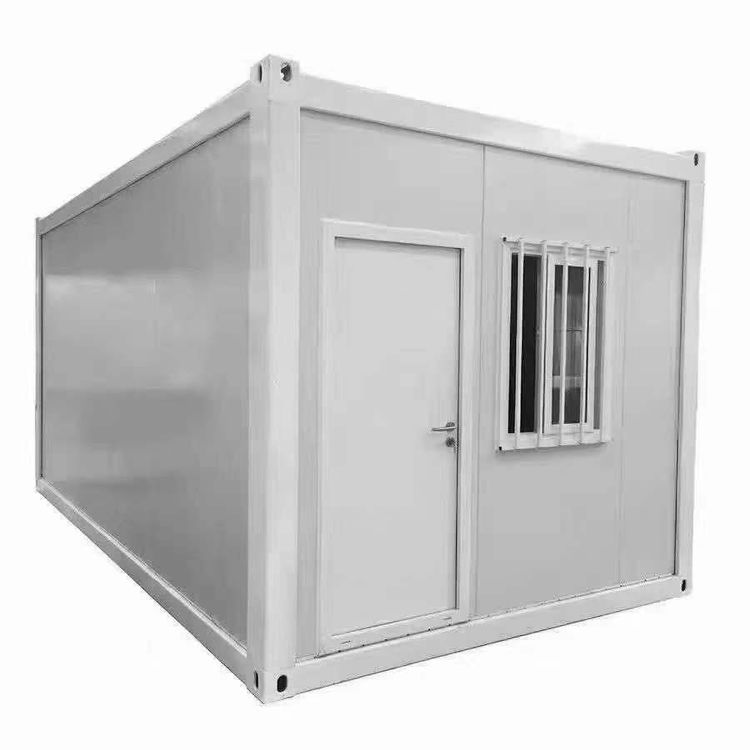
Aviation-Style Plastic Mobile Toilet
Currently, there is no standardized product directly named 'aviation-style plastic mobile toilet,' but there are innovative examples of mobile toilets related to aviation design concepts, whose technical characteristics can be summarized as lightweight, modular, and leak-proof designs.

Manifestation of Aviation Design Concepts in Mobile Toilets
The requirements for equipment in aviation scenarios focus on lightweight, high strength, leak-proofing, and environmental adaptability, principles that have been applied in the design of some mobile toilets. For example, a customized luxury double-occupancy mobile toilet adopts an aviation-grade aluminum alloy frame and environmentally friendly PP panels, ensuring structural strength while reducing overall weight through plastic materials, facilitating transportation and deployment. Its modular design allows for rapid assembly and disassembly, meeting the aviation sector's demand for equipment flexibility. Additionally, the introduction of biodegradable toilets and humidity-sensing ventilation systems reduces traditional toilets' reliance on water resources, enhancing environmental adaptability, consistent with the concept of efficient resource utilization in aircraft.
Solutions for Special Physiological Needs in Aviation Scenarios
In extreme aviation scenarios (such as fighter jet cockpits), flexible plastic urine bags have been used to address pilots' physiological needs. These bags contain absorbent chemical agents that rapidly solidify liquids and prevent leaks, with a design logic highly relevant to the aviation scenario's lightweight and leak-proofing requirements. Although such devices have not been directly applied to mobile toilets, their material selection (flexible plastic) and leak-proofing technology provide references for the sealing design of mobile toilets. For example, the sewage tanks of some mobile toilets use plastic materials like high-density polyethylene (HDPE), achieving leak-proofing effects similar to aviation equipment through optimized structures and sealing processes.
Material and Technical Differences in Ordinary Mobile Toilets
Most mobile toilets use materials such as plastic, stainless steel, or fiberglass-reinforced plastic, but do not explicitly label them with 'aviation-style' technical standards. For instance, economy mobile toilets may use ordinary plastic shells, which, while lightweight, fall short of aviation-grade materials in terms of strength and durability; stainless steel, although durable, is heavier and does not meet the lightweight requirements of aviation scenarios. Therefore, 'aviation-style' is more an extension of design philosophy rather than a strict technical classification, with its core lying in achieving high-performance and adaptability of equipment through material innovation and structural optimization.
Conclusion
'Aviation-style plastic mobile toilet' is not an industry-standard term, but the design principles of the aviation sector (such as lightweight, modular, and leak-proofing) have permeated the innovation of some high-end mobile toilets. In the future, with advancements in material science and modular technology, mobile toilets may further integrate aviation design concepts to develop products that better meet the needs of special scenarios.