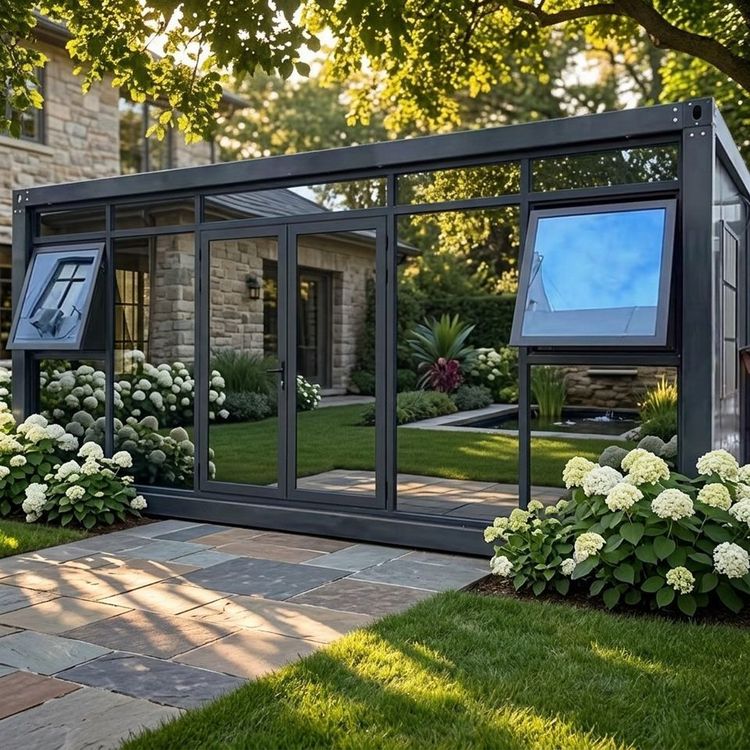
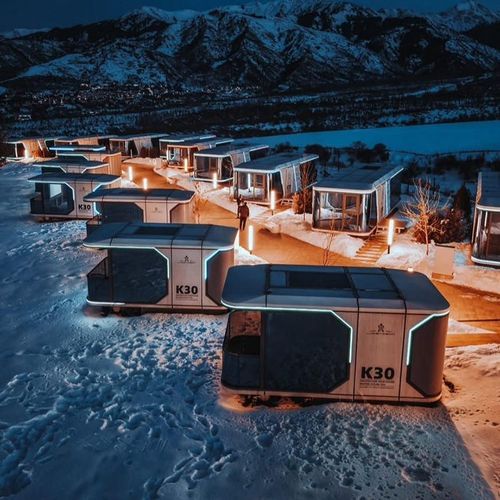
Assemblable Container House
Assemblable container houses are real and have been widely used in various fields.

I. Definition and Characteristics
An assemblable container house is a type of dwelling that is divided into several independent 'room modules'. These modules are manufactured on a factory assembly line, including processes such as plumbing, decoration, and even interior soft furnishings, and are then transported to the site for assembly. This construction method is characterized by its speed, flexibility, and environmental friendliness, significantly shortening the construction period and reducing construction waste, dust, and noise pollution.
II. Structure and Performance
These houses typically feature a steel frame paired with flame-retardant rock wool sandwich panels as the main structure, integrating insulation, fire resistance, sound insulation, and waterproofing. Under extreme conditions, such as coastal typhoons of force 12 or high-intensity earthquakes of magnitude 8, qualified container houses demonstrate excellent structural stability. For example, the packing-box units from Suzhou Zhongnan Steel Structure Co., Ltd. have been tested to withstand wind speeds of up to force 12 and earthquakes of magnitude 8, with frame deformation rates well below the industry's acceptable threshold.
III. Application Scenarios
Assemblable container houses have been widely applied in various fields, including engineering camps, cultural tourism, emergency response, and overseas cross-border projects. They are suitable not only for temporary office and accommodation scenarios but can also be adapted to diverse settings such as engineering camps, mobile commerce, cultural tourism accommodations, and emergency support through modular assembly, customized exterior facades, and internal functional modifications.
IV. Market Trends
With the guidance of domestic policies promoting a circular economy and green construction, as well as the rapid growth in overseas market demand, the industry of relocatable container houses is entering a high-quality development phase characterized by refinement, low carbonization, compliance, and scenario adaptation. Low-carbon cycling throughout the entire life cycle has become an important development direction, with the popularity of compliant products that support multiple disassemblies and reuses gradually increasing.