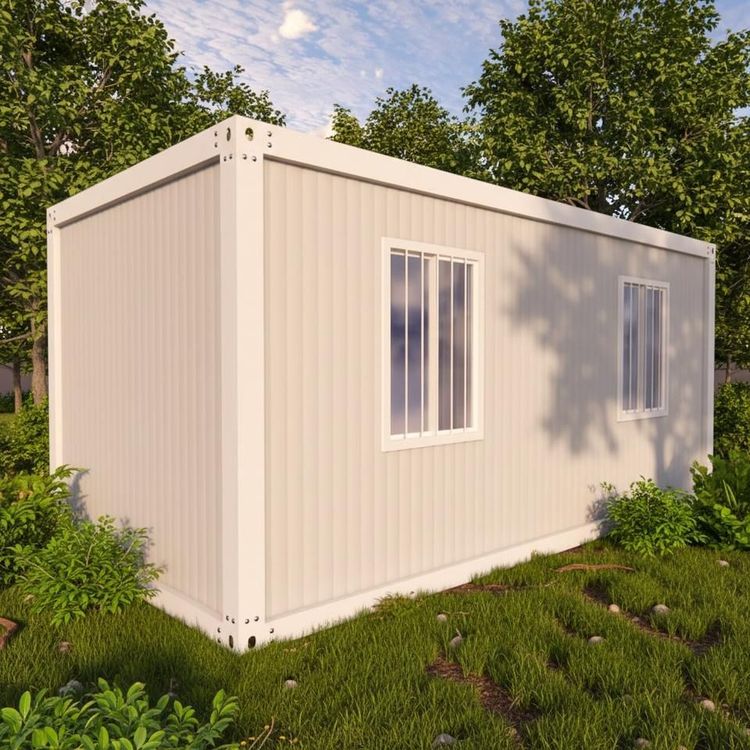
Asian Games Mobile Toilet Rental Operation
The rental and operation of mobile toilets for the Asian Games require efficient management through a combination of market demand analysis, technological innovation, and full-service processes, achieved via scientific allocation, cost control, and responses to special scenarios.

1. Market Demand and Tiered Services
Large-scale sporting events, exhibitions, and other activities drive demand for temporary public sanitation facilities. For example, in Hangzhou by 2025, daily rental demand for events with over 10,000 attendees will exceed 2,000 units, with clear user demand stratification: high-end events require air conditioning, barrier-free facilities, and nursing rooms; music festivals prioritize odor control and rapid sewage discharge; construction sites prefer cost-effective container toilets. Operators must precisely match equipment types based on event types to avoid resource waste.
2. Technology-Driven Efficiency Improvements
- Smart Environmental Systems: Solar power (72-hour endurance), nano-coating anti-fouling (60% water savings), and biodegradation technology (85% fecal conversion rate) reduce operational and maintenance costs.
- Modular Design: Supports 15-minute rapid assembly, allows dynamic adjustment of stall quantities based on foot traffic, and integrates nighttime lighting systems to enhance safety.
- Hygiene and Epidemic Prevention Upgrades: Touchless sensors, UV disinfection, and real-time ammonia monitoring and alarms ensure usage safety, aligning with upgraded sanitation standards for large-scale events.
3. Rental Scheme Optimization Strategies
- Scientific Allocation Formula: Follows the international 1:50 principle (1 toilet per 50 people), adjusting redundancy coefficients based on event duration (e.g., music festivals require a 20% increase in backup units).
- Full-Service Process: Covers pre-event site surveys and traffic flow planning; mid-event transportation, installation, and consumable replenishment; and post-event removal, disinfection, and data reporting, reducing client management burdens.
- Cost Control: Off-peak rental prices drop by 40% during non-event seasons; equipment pooling with neighboring cities; and 30% government subsidies for compliance with environmental standards.
4. Special Scenario Response Plans
- High-Density Foot Traffic: Install directional signage, emergency mobile toilet vehicles, and “tidal flow” stall adjustment systems.
- Water-Based Activities: Utilize floating platforms, vacuum suction technology, and non-slip flooring.
- Mountainous Terrain: Transport small eco-toilets via mules, equipped with alpine degradation agents.
- Emergency Response: Establish a “3-hour support circle,” maintain emergency units in urban centers, and train certified operators.
5. Industry Trends and Compliance Requirements
Environmental pressures drive technological upgrades, with traditional direct-discharge toilets replaced by vacuum water-saving systems. High-end vehicle-mounted toilets, smart toilets, and fresh air systems become standard. As a core industrial region, the Yangtze River Delta sees Shanghai companies focusing on smart equipment R&D, while manufacturers like Zhuhai Guangjie provide full-chain services, helping operators achieve compliance and efficiency balance.