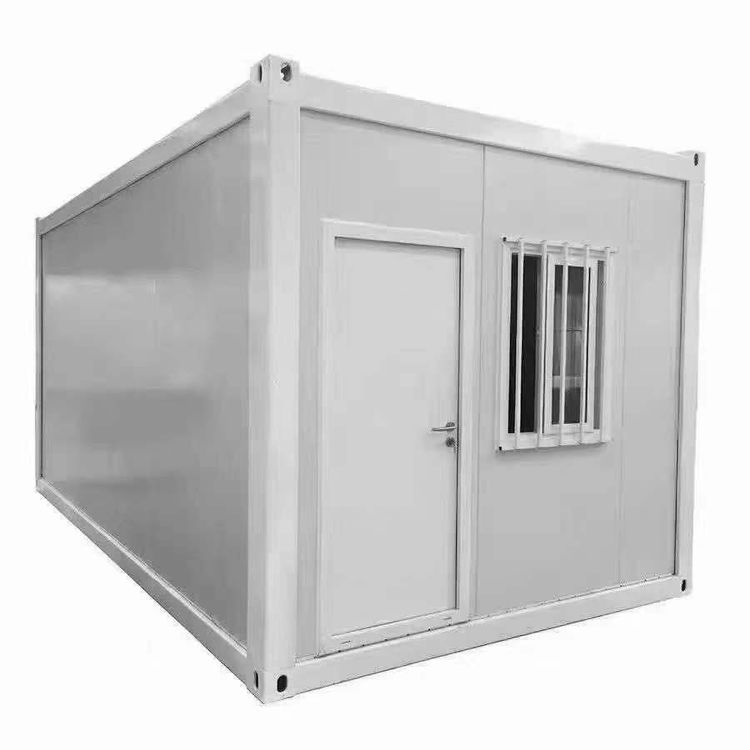
Are Prefabricated Houses Earthquake-Resistant?
Whether prefabricated houses are earthquake-resistant depends on specific circumstances and cannot be generalized.

Differences in earthquake resistance based on construction era: Prefabricated houses built in the early period (before 1990) mostly followed the old TJ11 - 78 seismic code, with relatively low seismic standards. In areas with a seismic intensity of 6 degrees, seismic structural measures were generally not required. Such houses often lacked core seismic components like structural columns and ring beams. The prefabricated slabs were directly placed on brick walls without overall connections, making them prone to slab joint cracking and slab detachment during earthquakes. Houses built before the 1980s can now withstand at most a 6-degree earthquake. The GBJ11 - 89 code implemented after 1990 and subsequent standards clearly required that prefabricated slabs must be connected with cast-in-place composite layers, prohibited pure bare laying, and mandated closed ring beams on each floor and structural columns at the four corners and staircase corners. This significantly improved the seismic performance, and newly built prefabricated houses can now withstand a 7-degree earthquake, but their seismic capacity is still inferior to that of reinforced cast-in-place houses. However, there are special cases, such as the cement 'prefabricated houses' used in rural areas of Henan, which can withstand an 8-magnitude earthquake, but such cases lack universal verification.
Other factors affecting seismic performance: In terms of floor height, prefabricated houses below 6 floors are safer than high-rise buildings due to their lower center of gravity and smaller sway amplitude. Regarding the structure, brick-concrete walls are relatively fragile, while frame structures, with beams and columns connected to form a whole, have better seismic performance. For the foundation, a deeply excavated or piled foundation can provide more stable support and reduce the risk of collapse caused by earthquake shaking. In addition, methods such as adding steel bars (installing steel frames or pouring concrete in walls and laying steel bar meshes at joints), installing seismic isolation bearings, and using high-ductility cement for wall plastering can further enhance seismic performance.
The crucial role of construction quality: Even if the design complies with seismic codes, unauthorized design modifications and shoddy workmanship during construction, such as reducing the number of structural columns and ring beams, or using concrete with insufficient strength and shortening the curing time, will all reduce the seismic performance of the house. Therefore, strictly controlling construction quality is an important link in ensuring the seismic capacity of prefabricated houses.