Are Container Mobile Houses Reliable?
Whether container mobile houses are reliable depends on a comprehensive assessment of specific scenarios, design, construction, and policies. They have both advantages and limitations, and proper planning can enhance their reliability.
Core Advantages
Cost and Time Efficiency
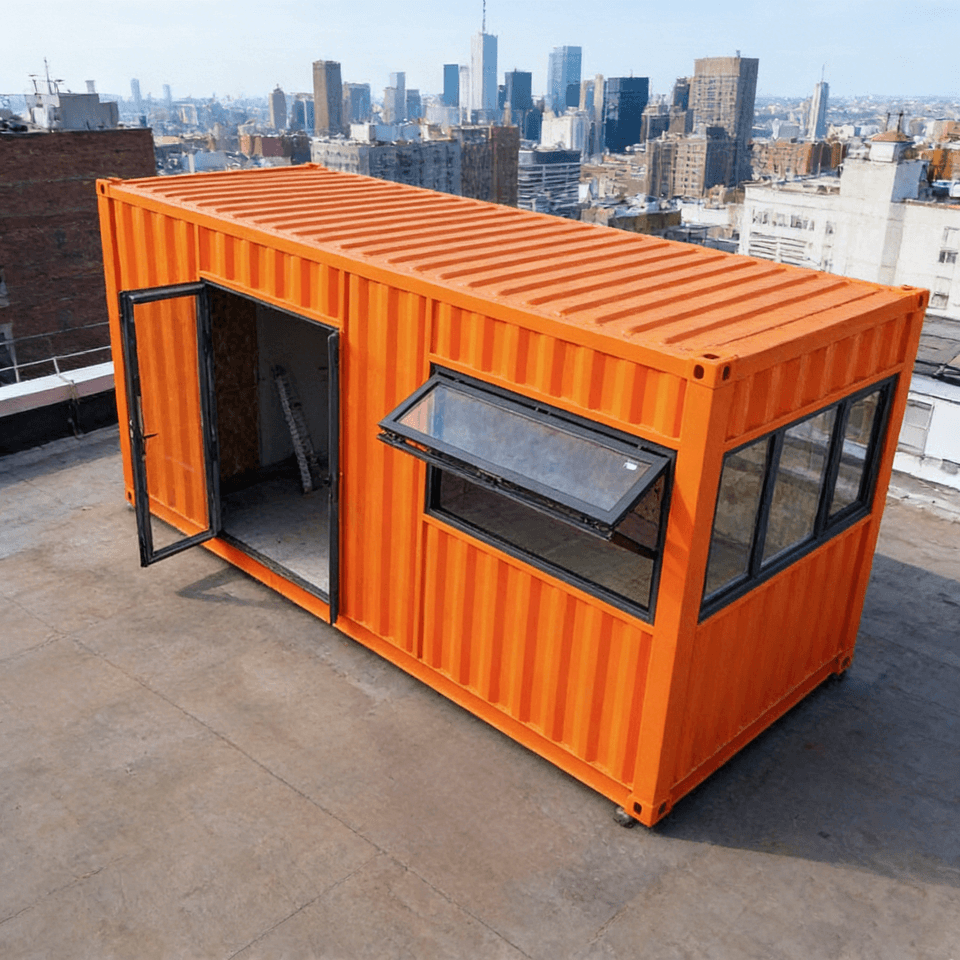
Container houses adopt a modular design, with customizable raw materials and simple foundation construction (no need for complex foundations). The overall cost is generally lower than that of traditional brick-and-mortar structures, making them particularly suitable for projects with limited budgets. Their assembly mode can significantly shorten the construction period, with single-container renovations completed within 1-2 weeks. Multi-container combination projects can save more than 50% of the time compared to traditional buildings.Flexibility and High Mobility
Standardized modules support free combinations (such as stacking or splicing into lofts or multi-bedroom units). When adjusting the layout or relocating later, they can be transported as a whole by crane, with high secondary utilization efficiency. This feature makes them suitable for temporary land uses (such as construction site dormitories, post-disaster resettlement) or scenarios requiring frequent location changes.Outstanding Structural Durability
Made of high-strength steel, they have better wind and earthquake resistance than ordinary portable board houses. With normal maintenance, their service life is 15-20 years, and high-quality customized models can last more than 30 years. Their basic waterproof performance is good, and sealing treatment can reduce rain leakage issues.Environmental Protection and Creativity
Using retired containers can reduce construction waste, aligning with the concept of a circular economy; new container materials can also be recycled. Their appearance can be transformed to create personalized spaces, suitable for homestays, studios, and other scenarios.
Main Limitations
Thermal Performance Shortcomings
The original container body has poor thermal insulation and heat retention, easily leading to "cold in winter and hot in summer" issues. Improvements such as adding insulation layers, double-wall structures, or thermal break designs are required to enhance comfort; otherwise, energy consumption costs may increase.Policy and Compliance Risks
Some regions have strict regulations on the use and approval processes of container houses (such as meeting fire safety and earthquake resistance standards for long-term residential use). It is necessary to confirm local policies in advance to avoid demolition or fines due to non-compliance.Renovation Costs and Quality Risks
If the budget is insufficient or non-professional manufacturers are chosen, inadequate renovations (such as insufficient insulation layer thickness or rough sealing treatment) may lead to increased later maintenance costs and even affect structural safety.
Precautions
- Prioritize choosing qualified manufacturers to ensure design and construction meet standards;
- Understand local policy requirements in advance to avoid compliance risks;
- Plan renovation needs reasonably according to the usage scenario and budget (such as insulation and ventilation design);
- Beware of industry fraud traps (such as low-price lures, passing off old containers as new, and disappearing after full payment).