
Anshan Mobile Toilet Outdoor
Anshan mobile toilets offer multiple advantages in outdoor applications, including materials, design, and environmental adaptability, efficiently meeting sanitation needs in outdoor settings.
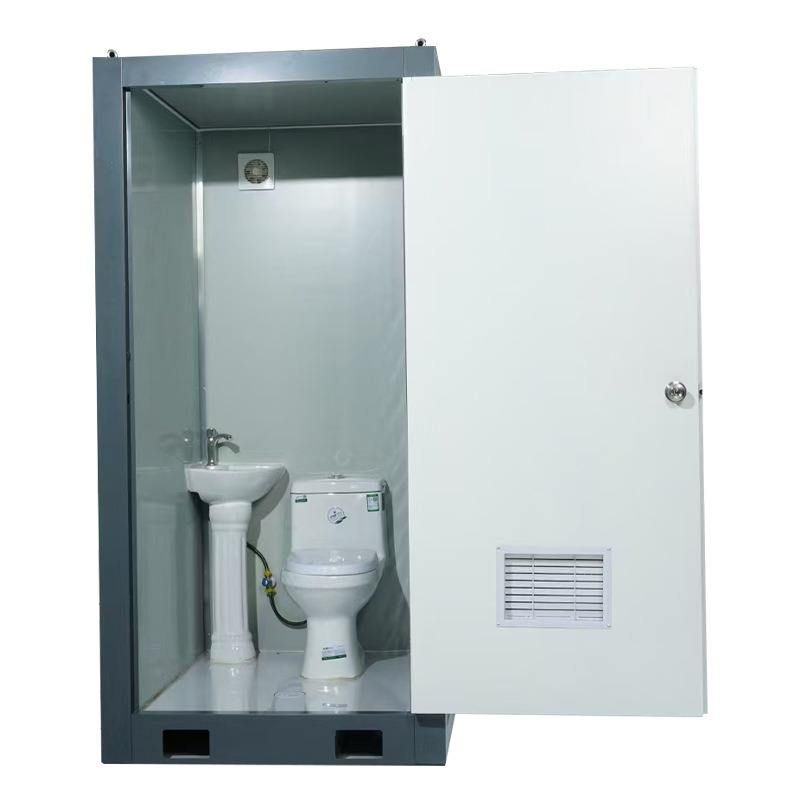
Significant material advantages: Anshan mobile toilets utilize new composite panels and metal frame structures, providing excellent weather resistance to withstand significant temperature variations and rain and snow erosion in northern regions. The internal sandwich structure integrates thermal insulation and sound insulation functions, while the material surface coating undergoes anti-fouling and antibacterial treatments, reducing the frequency and difficulty of cleaning and maintenance and extending service life.
Flexible modular design: The entire toilet is broken down into standardized functional modules that can be independently transported and quickly assembled, such as toilet units, management rooms, and fecal treatment chambers. In large outdoor gatherings, seasonal tourist attractions, or temporary construction areas, they can be combined and configured according to foot traffic predictions and spatial conditions, shortening construction periods and achieving spatial matching between service resources and dynamic needs.
Strong environmental adaptability: Integrated miniaturized treatment systems within the units, such as technologies using biodegradation or physicochemical methods for waste treatment, reduce reliance on fixed sewage networks; the application of water-saving flushing devices or waterless packaging technologies lowers requirements for continuous water supply; some units also incorporate solar power systems to provide energy for lighting and ventilation equipment, enabling mobile toilets to operate independently in a wider range of outdoor settings.
Flexible transportation and placement: In mountainous and hilly areas around Anshan, rental services offer two transportation options: wheeled chassis and lifting. The wheeled chassis is suitable for gently sloping lawns or hardened surfaces and can be towed by ordinary vehicles; the lifting option uses portable lifting equipment to place toilet units on rocky platforms or steep slopes, minimizing damage to the natural environment.
Comprehensive maintenance and cleaning mechanisms: The complete service process includes three steps: regular inspections, waste collection, and equipment disinfection. Inspection frequency is dynamically adjusted based on usage intensity, waste collection is achieved through sealed transfer containers to avoid secondary pollution during transportation, and disinfection operations typically use food-grade disinfectants to ensure facilities remain hygienic after continuous use by multiple people.



