
Back to blog
Article
Is the Quality of Mobile Toilets in Anhui Good?
Admin September 20, 2026
The overall quality of mobile toilets in Anhui varies depending on the product type, manufacturer, and usage scenario. High-quality products meet national standards and have complete functions, while inferior products may have usage issues and need to be identified through standardized channels.
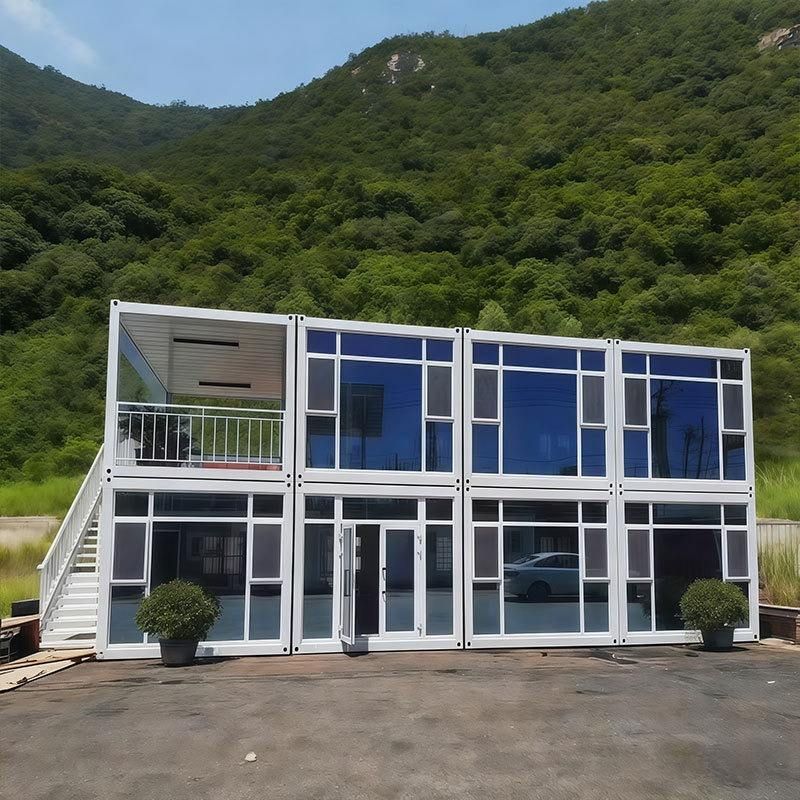
Quality Assurance of High-Quality Products
- Structural Stability: Some mobile toilets in Anhui use light steel structural frames that comply with the "Code for Design of Steel Structures" (GB 50017) standard. Such structures have high earthquake and wind resistance capabilities and can adapt to complex outdoor environments, making them particularly suitable for long-term use scenarios such as scenic spots and construction sites.
- Environmental Protection Treatment Efficiency: High-quality products treat excreta through technologies such as foam sealing, microbial degradation, or vacuum negative pressure systems, achieving treatment effects that meet the "Integrated Wastewater Discharge Standard" (GB 8978) and the requirements of ecologically sensitive areas in scenic spots. Some manufacturers provide third-party test reports to prove that their discharge indicators comply with environmental protection regulations, reducing pollution to the surrounding environment.
- Material and Durability: Mobile toilets in scenic spots often use waterproof and corrosion-resistant environmentally friendly materials, such as high-density polyethylene (HDPE) or stainless steel, which can effectively resist rain, ultraviolet rays, and chemical corrosion, extending their service life. Some products are also equipped with facilities for the disabled (such as barrier-free access and handrails) and sensor flushing devices to enhance convenience of use.
Potential Issues with Inferior Products
- Functional Defects: Inferior mobile toilets may have problems such as poor flushing, strong odors, and poor sealing due to design or material issues, affecting the user experience. For example, if the foam liquid ratio in a foam sealing system is improper, it may cause blockage or odor diffusion.
- Structural Safety Hazards: Toilets that do not use standard steel structures may have issues such as insufficient load-bearing capacity and weak wind resistance, making them prone to tipping or damage, especially during typhoons or heavy rain.
- Non-compliance with Environmental Protection Standards: Some low-priced products are not equipped with effective sewage treatment systems, and direct discharge may pollute soil or water sources, failing to meet the requirements of ecological scenic spots.
Identification Methods
- View Actual Photos of the Equipment: Observe the material, structure, and accessory details of the toilet through photos to determine if they match the promotional descriptions.
- Confirm Basic Configurations: Request the manufacturer to provide product parameters, such as steel structure specifications, sewage treatment technology, and material types, and verify if they comply with national standards.
- Conduct On-Site Inspections of Samples: If possible, visit the manufacturer or usage site to inspect samples and test actual functions such as flushing and sealing to avoid quality issues after purchase.



