American Poor's Container Houses
The choice of container houses by the poor in the United States is mainly related to economic affordability, the current situation of housing shortages, and the promotion of innovative housing solutions.

1. Lower Economic Costs
Rents in some major cities in the United States are exorbitant. For example, the average rent for a one-bedroom apartment in San Francisco is as high as $3,500 per month, twice that of Los Angeles. Faced with such high rents, low-income groups find it difficult to afford traditional housing. In contrast, the purchase and renovation costs of container houses are relatively low. For instance, an American couple purchased an expandable container house from China, with the house body priced at $15,800. Including shipping costs, tariffs, and other fees, the total landed cost was approximately $28,689, equivalent to less than 200,000 yuan. Compared to the cost of building a house locally in the United States, the comprehensive cost of a container house is only one-third to half of that of local construction, significantly reducing the economic burden on the poor.
2. Housing Shortages and Uneven Distribution
The United States faces a severe shortage of affordable housing, coupled with uneven distribution. The number of affordable housing units available to extremely low-income individuals is limited, yet the vacancy rate remains high because rents are gradually approaching market prices, making them unaffordable for the poorest groups. For example, in Austin, there are over 4,500 affordable housing units vacant, but the extremely low-income individuals most in need of housing have annual incomes of less than $28,000, making it impossible for them to afford the rent for these units. In this context, container houses have emerged as a viable alternative, providing the poor with more housing options.
3. Promotion of Innovative Housing Solutions
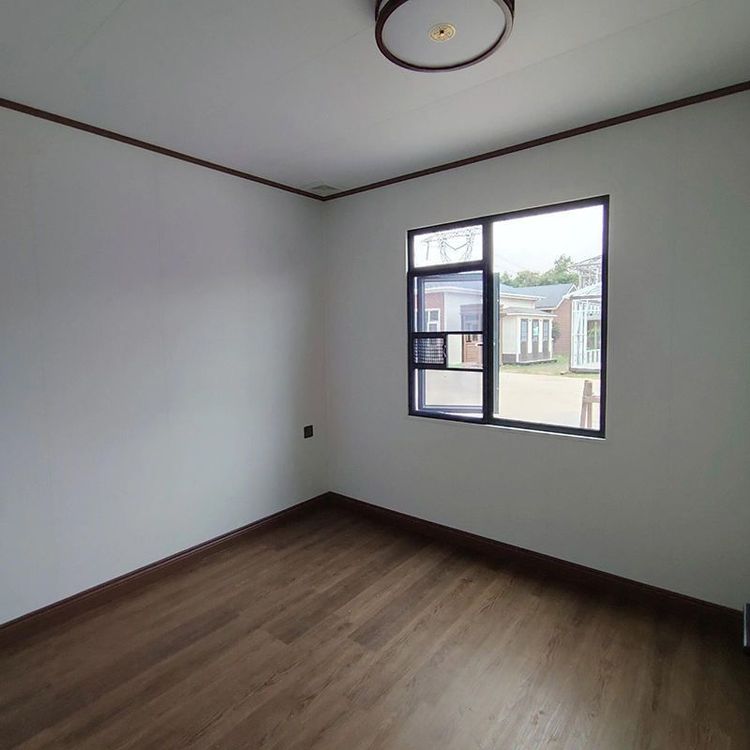
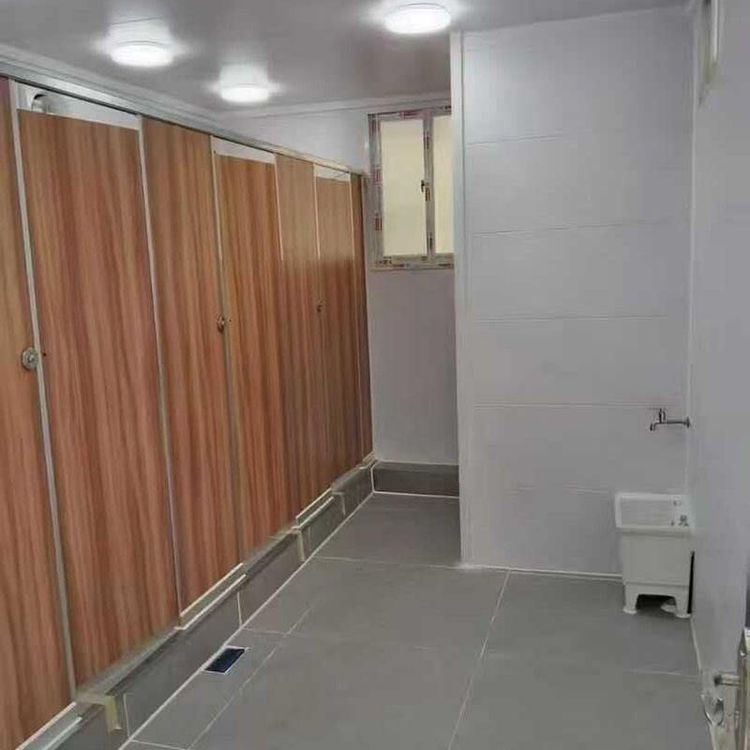
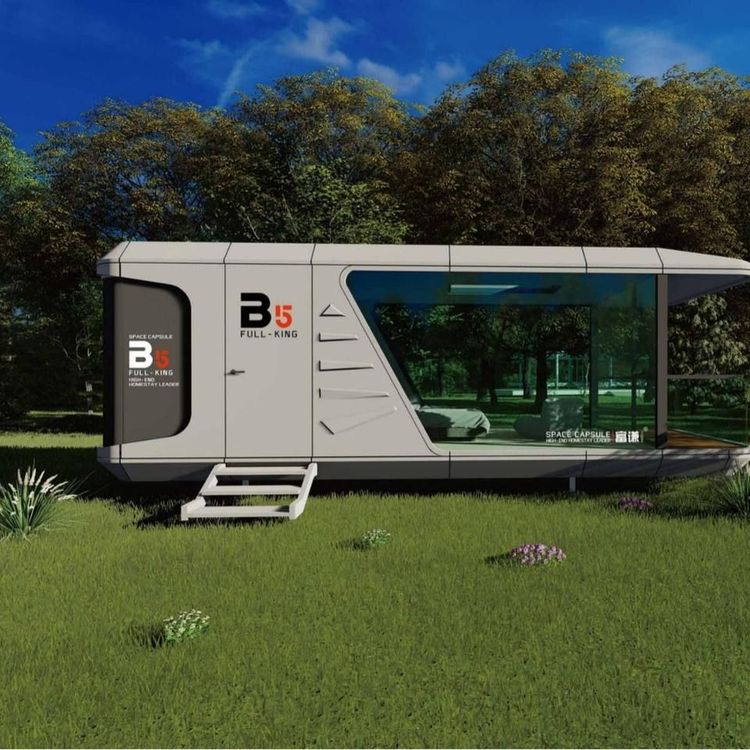
In recent years, container houses have gained popularity globally as an innovative housing solution. Their characteristics include factory production and on-site assembly, offering advantages such as low prices and short construction periods. For example, an expandable container house produced in China has a production cycle of only 30 days and an ocean shipping duration of about 50 days. Upon arrival at an open site, it can be expanded like a Transformer, with a practical area of approximately 70 square meters. The bedroom, independent kitchen and bathroom, and hard装修 (hard decoration) are all pre-installed, and it can be occupied once water and electricity are connected. This convenience and practicality have made container houses popular among the poor in the United States.