
Airport Portable Toilet
Airport portable toilets are facilities set up to address the inconvenience of using restrooms in specific areas of airports, featuring flexible deployment and diverse functions.
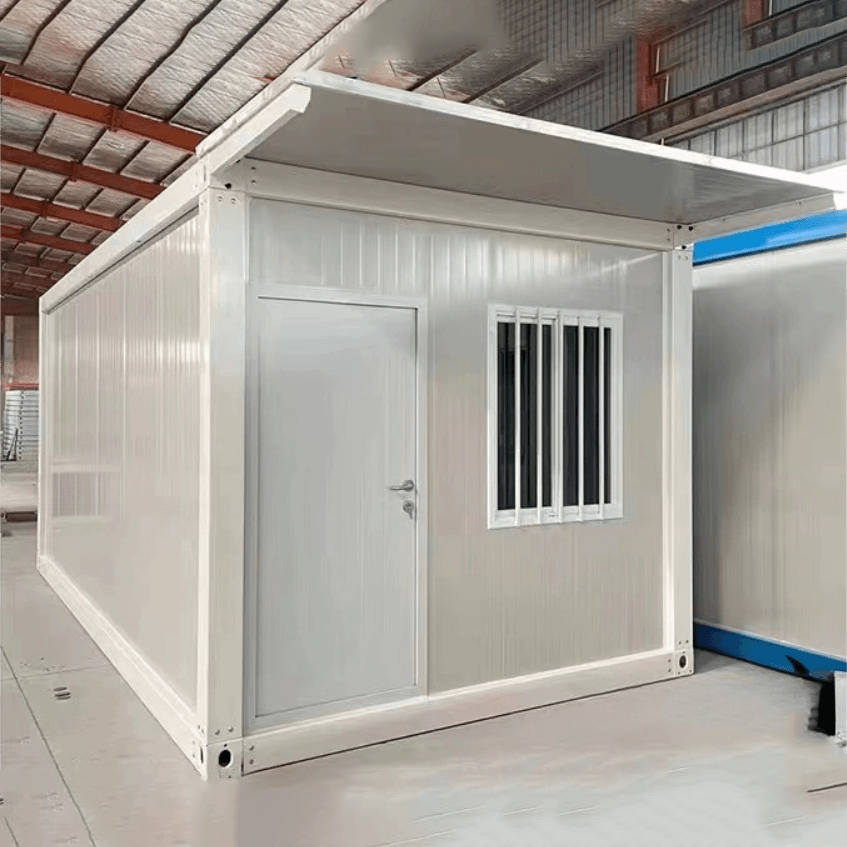
I. Purpose and Scenarios of Setup
Airport portable toilets are primarily used to alleviate the shortage of restroom resources in specific areas. For example, Beijing Capital Airport has added portable restrooms along the taxi queue line to provide convenience for drivers waiting for extended periods. Additionally, in scenarios such as airport aprons, construction areas, or temporary support for large-scale events, portable toilets can quickly fill the coverage gaps of fixed sanitation facilities, meeting the temporary needs of densely populated areas.
II. Structural Composition and Classification
Portable toilets typically consist of modules such as fecal sewage storage tanks (or disposal units), floor slabs, sanitary fixtures, walls, washing equipment, water tanks, roofs, and mobile units. Based on structural form, they can be classified into single-unit structures (independent units) and composite structures (multi-unit combinations). According to mobility, they are divided into hoisting and handling types (requiring mechanical assistance) and powered towing types (capable of self-movement or being towed). In terms of sewage treatment, they are categorized into flush types (relying on water sources), waterless suction types (using vacuum pumps to suction feces), recirculating flush types (purifying and reusing sewage), and dry packing types (using degradable bags to collect feces without water sources).
III. Functional Features and Customized Services
Some merchants offer dedicated portable toilets for airport scenarios, such as Apple Pod portable toilets. Priced from 850 yuan, they have the following features:
- Stability and Safety: Made of high-strength materials to withstand wind and temperature variations in open areas like airport aprons.
- Modular Design: The number of toilet compartments can be customized (combinations of 1-10 compartments), including men's and women's toilets as well as barrier-free facilities to meet the needs of different groups.
- Flexible Power Supply: Support solar power systems, suitable for areas without mains electricity, reducing operational costs.
- Diverse Flush Systems: Offer foot-operated, automatic sensing, solar water-saving, and waterless designs, balancing hygiene and water conservation needs.
- Customizable Appearance: Colors can be adjusted according to the overall style of the airport to enhance visual harmony.
IV. Application Value
Airport portable toilets effectively address issues such as long construction periods, high costs, and poor adaptability of fixed facilities through flexible deployment and functional optimization. They have become important tools for enhancing airport service quality and operational efficiency, especially in emergency support, temporary events, or services in remote areas.



