Container Houses in Agricultural Parks
Whether the use of container houses in agricultural parks constitutes unauthorized construction depends on specific purposes, installation methods, and local policies. Generally, container houses used temporarily for non-commercial purposes, without hardened ground or connected utilities, are not considered unauthorized construction.

Attributes of Container Houses and Logic for Unauthorized Construction Determination
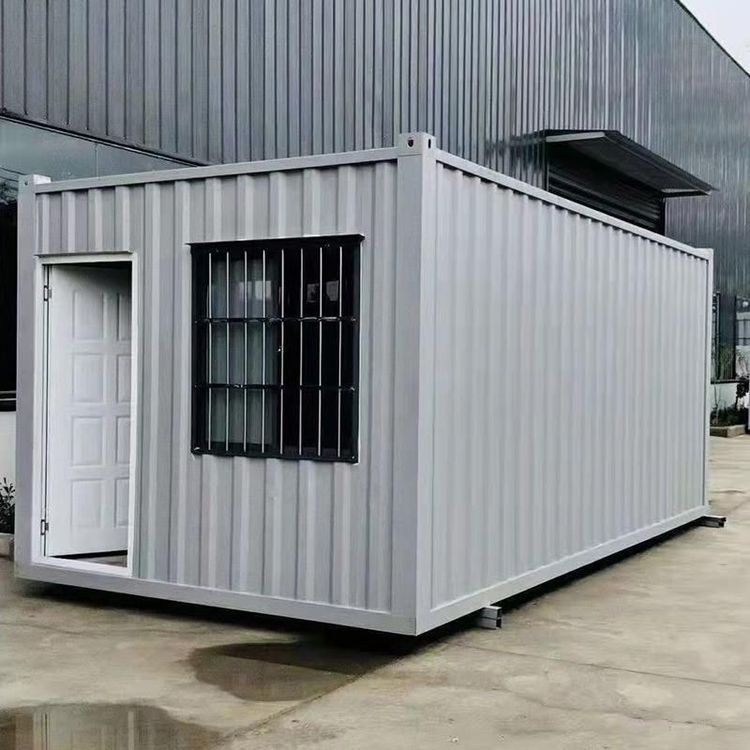
Container houses are essentially "movable metal structures." Determining whether they constitute unauthorized construction requires satisfying three core conditions: failure to obtain planning permission, occupation of land outside planned areas, and unauthorized alteration of land nature or building function. If container houses do not have hardened ground, lack connected utilities, are used solely for temporary storage of agricultural supplies and tools (such as watch houses in agricultural parks), and do not result in permanent occupation, they are generally not considered unauthorized construction. For example, the 10 sets of container-style apartments used in the Yijiangnan Agricultural Theme Park, if they meet temporary and non-commercial use criteria and do not damage the arable layer, fall within the legal scope.
Common Uses and Compliance of Container Houses in Agricultural Parks
Temporary Storage and Watchkeeping
In agricultural parks, container houses are often used to store agricultural tools, seeds, and other supplies or serve as watch houses for farmland. Such uses, if meeting the conditions of "no hardened ground, no connected utilities, and only storage of agricultural supplies and tools," are generally not considered unauthorized construction. For example, the "Wuxiang Huaju Agricultural Park" in Peng Town plans to arrange container-based commercial formats in the fields. If used solely for temporary display or storage and without altering land nature, it complies with regulatory requirements.Commercial Uses (Subject to Strict Approval)
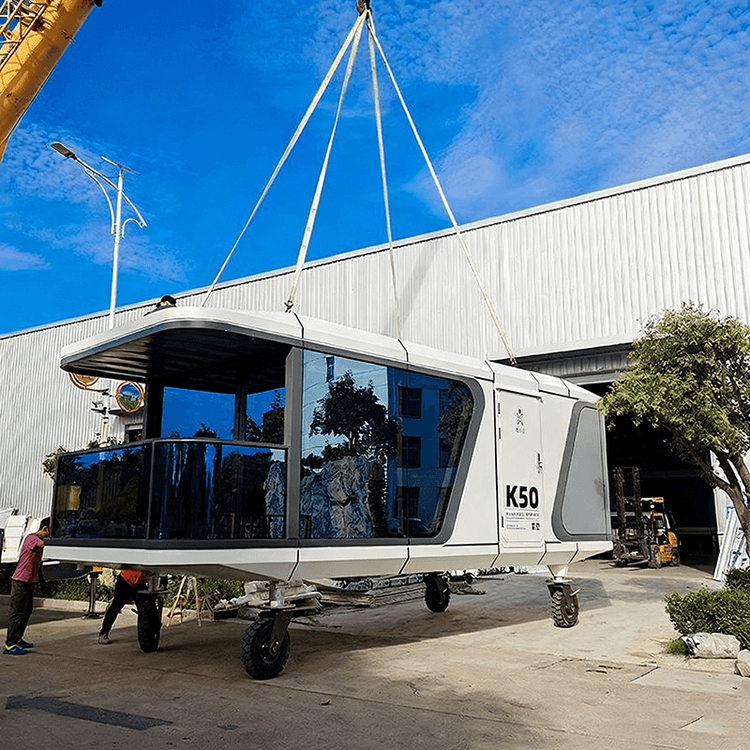
If container houses are used for commercial activities such as homestays or shops, land use approval, planning filing, and fire safety permits are required. Priority should be given to commercial/cultural tourism land, avoiding arable land protection zones. For example, the container fish farming project in the Tianjin Fuyun Wuqing Agricultural Park, if involving commercial activities, must undergo formal application procedures to ensure compliance.
Key Risk Points and Compliance Recommendations
- Ground Treatment: Laying cement or installing ground beams may be considered permanent structures and should be avoided.
- Function Conversion: Converting watch houses into homestays or storage rooms into shops may involve "substantial alteration of land use" and face demolition risks.
- Land Nature: Container houses are absolutely prohibited in basic farmland and ecological protection zones.
- Compliance Paths:
- Temporary storage: Choose 20-foot standard containers (6 meters long) without hardened ground or connected utilities.
- Commercial uses: Obtain land use approval, planning filing, and fire safety permits, complying with the "Technical Specification for Modular Combination Container Houses" (CECS 334:2013).
- Residential uses: Apply for construction permits as formal buildings, with a maximum height of 6 floors and a total height ≤ 24 meters.