Advantages of Standard Portable Toilets
The advantages of standard portable toilets are mainly reflected in aspects such as convenience, environmental protection, economy, safety, and applicability, as detailed below:

1. Convenience and Flexibility
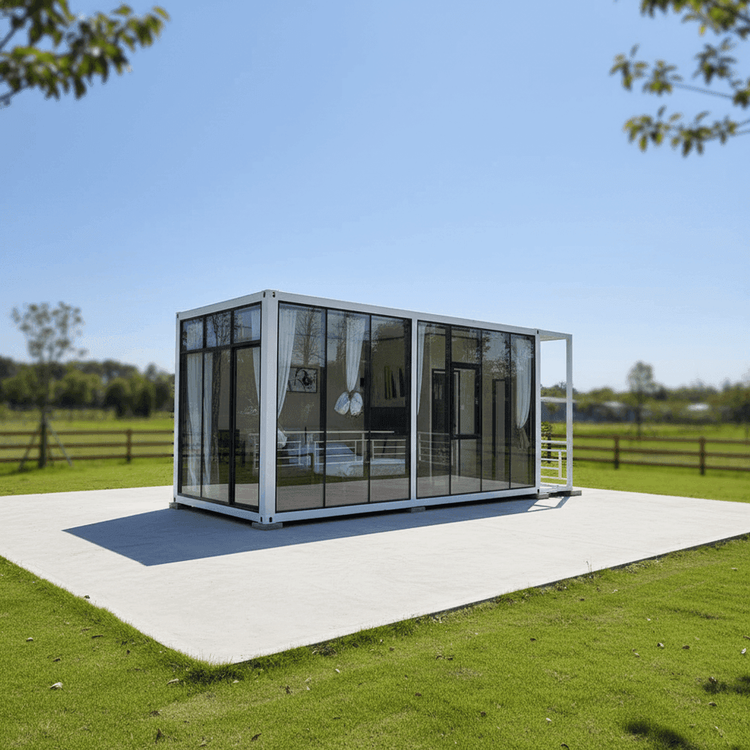
Standard portable toilets can be quickly deployed or relocated according to actual needs, making them particularly suitable for temporary use or scenarios with frequent site changes, such as construction sites and large-scale event venues. Their modular design supports rapid installation and disassembly, typically completed within a few hours, significantly saving time and labor costs.
2. Environmental Protection and Energy Efficiency
Equipped with advanced sewage treatment systems, they enable sewage recycling, reducing environmental pollution. Some high-end models use solar power to lower energy consumption. Additionally, water-saving designs, such as low-flow flushing systems, further reduce water waste, aligning with sustainable development principles.
3. Economy
The modular structure reduces transportation, installation, and construction costs, while maintenance expenses are significantly lower than those of traditional fixed toilets. Their rapid deployment capability shortens the construction cycle, indirectly reducing site occupancy costs, making them suitable for projects with limited budgets.
4. Safety and Durability
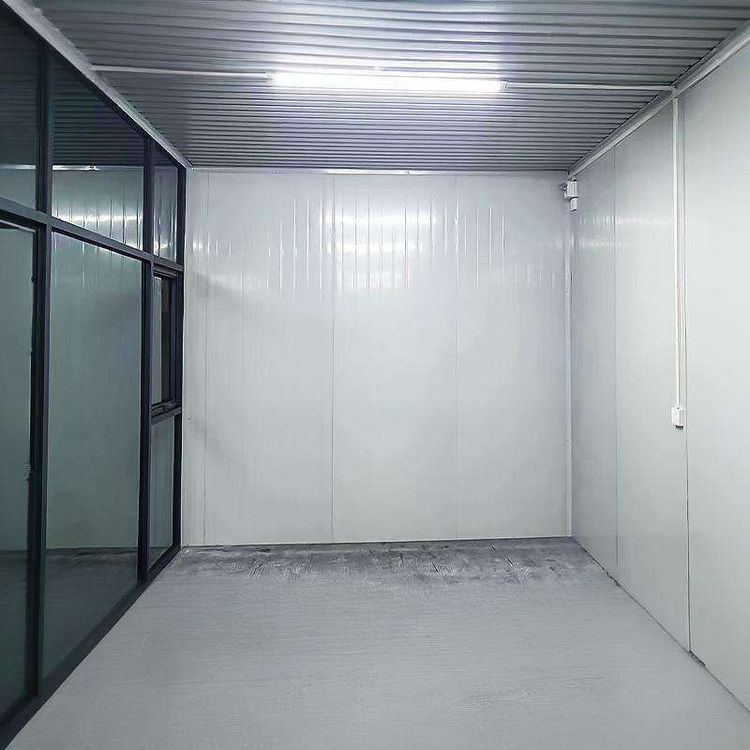
Constructed with high-strength steel frames and corrosion-resistant, fire-resistant materials, they offer pressure and wind resistance, adapting to complex environments. The internal layout is reasonable, equipped with sinks, ventilation systems, and other facilities to enhance user experience. With a service life of over 20 years, long-term usage costs are low.
5. Wide Applicability
In addition to serving construction sites and large-scale events, they are widely used in public places such as tourist attractions, parks, and highway service areas, meeting diverse needs. Their small footprint minimizes land resource occupation, making them ideal for space-constrained areas.
6. High Maintenance and Hygiene Standards
Cleaning and disinfection can be completed quickly, ensuring hygiene standards are met. Odor control systems and ventilation equipment effectively improve the usage environment, preventing odor accumulation and ensuring user comfort.
7. Customizable Design
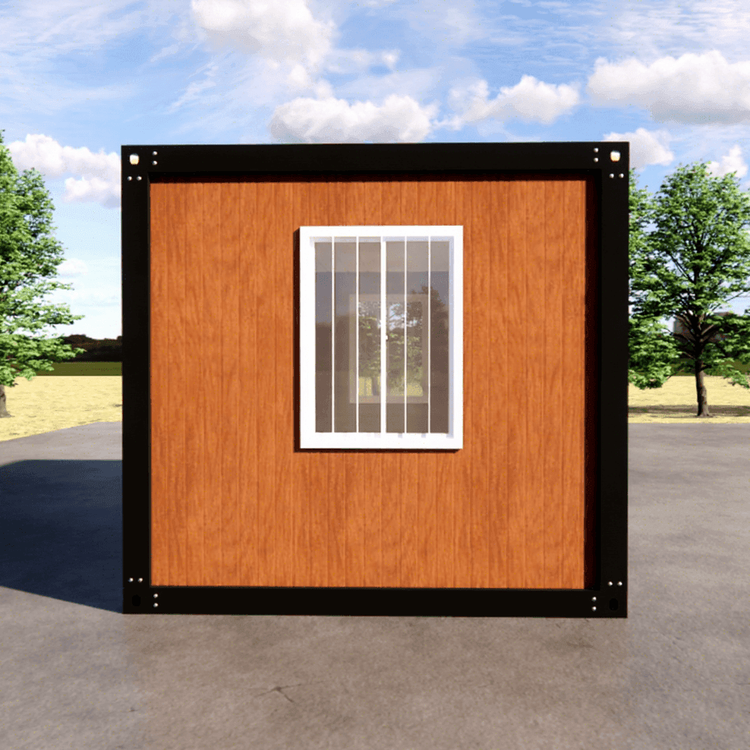
They support personalized customization of appearance and internal facilities, such as adjusting colors, adding barrier-free facilities, or special functional modules, to meet specific needs in different scenarios.
8. Hygiene and Resource Conservation
Designed in strict accordance with hygiene standards, they reduce bacterial growth and resource waste through odor control, ventilation, and water-saving technologies, providing clean and sustainable sanitation solutions for public places.