
Advantages of New Environmentally-Friendly Mobile Toilets
New environmentally-friendly mobile toilets offer numerous significant advantages, as detailed below:
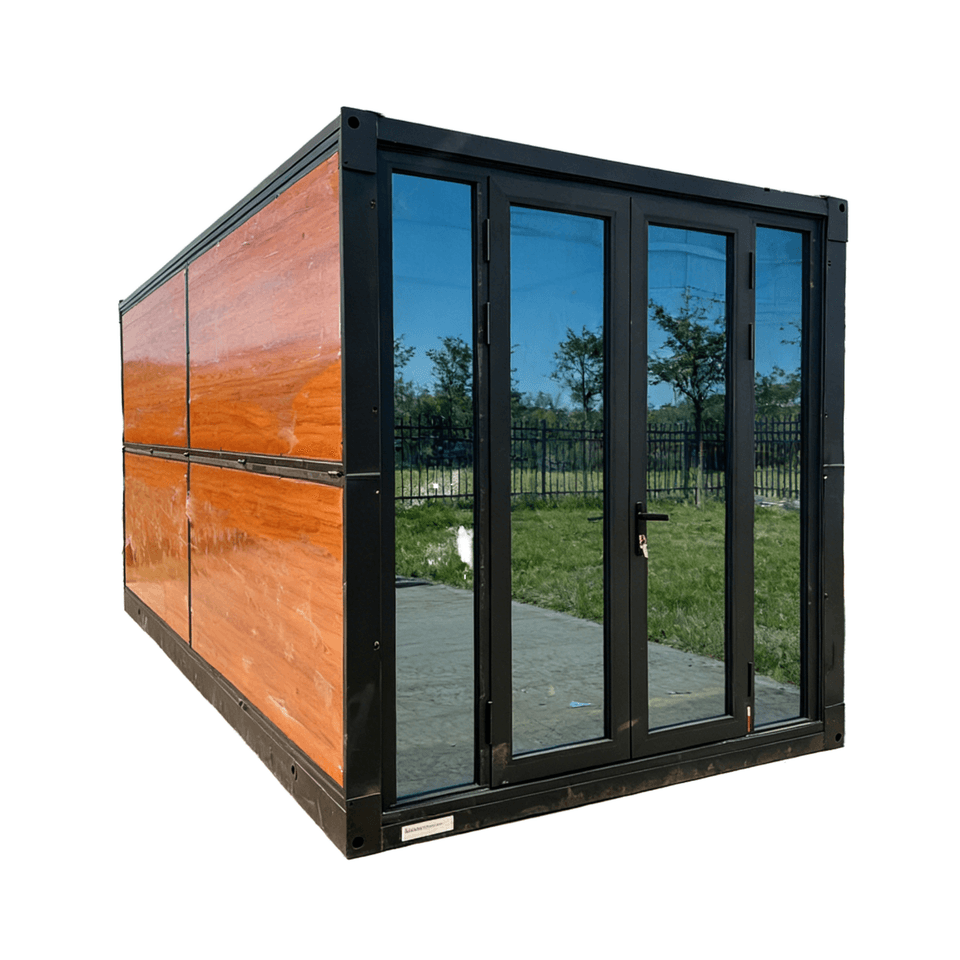
I. Flexibility and Adaptability New environmentally-friendly mobile toilets can be used in any location, featuring the ability to move freely without being restricted by the site. Whether on city streets, in tourist attractions, at construction sites, or at temporary event venues, they can be quickly deployed and put into use. This flexibility enables them to meet temporary or long-term needs in various scenarios, particularly in areas with limited land resources or where frequent layout adjustments are required.
II. Economy and Environmental Protection Their construction investment and subsequent treatment costs are significantly lower than those of traditional toilets. Through optimized design, costs for civil engineering and pipeline installation are reduced, while the use of environmentally-friendly materials lowers maintenance frequency. In terms of fecal treatment, some types achieve pollution-free disposal through biological degradation or specialized agents, converting feces into organic fertilizer or allowing harmless discharge. This reduces environmental pollution and lowers treatment costs through resource utilization.
III. Water Conservation and Efficiency Some types achieve remarkable water-saving effects. For example, by automatically collecting hand-washing water and adding specialized agents, they can achieve a flushing effect with only 0.46 liters of water per person. Intelligent water-saving ecological toilets achieve a similar water consumption of about 0.46 liters per person by recycling urine and hand-washing water combined with water-saving agents. This design is particularly advantageous in water-scarce areas or high-traffic scenarios.
IV. Durability and Sustainability Material selection emphasizes environmental protection and recyclability, with main materials designed for long service life, durability, and resistance to corrosion and rust. For example, the use of high-strength composite materials or corrosion-resistant metals extends equipment lifespan and reduces replacement frequency. Additionally, their small footprint and low land dependency offer advantages in space utilization, while short construction periods and reusability further enhance resource efficiency.
V. Functional Expandability Some types also feature epidemic prevention capabilities. For instance, the epidemic-prevention intelligent mobile toilets used during the Winter Olympics effectively block virus transmission through enclosed designs and automatic disinfection systems, ensuring public health safety. This multifunctionality enables them to adapt to special scenario requirements, such as during epidemics or in high-hygiene-standard venues.



