Advantages of Mobile Environmental Toilets
The advantages of mobile environmental toilets are mainly reflected in aspects such as flexibility and convenience, environmental protection and energy conservation, hygiene and comfort, cost-effectiveness, enhancement of urban image, and diverse adaptability.

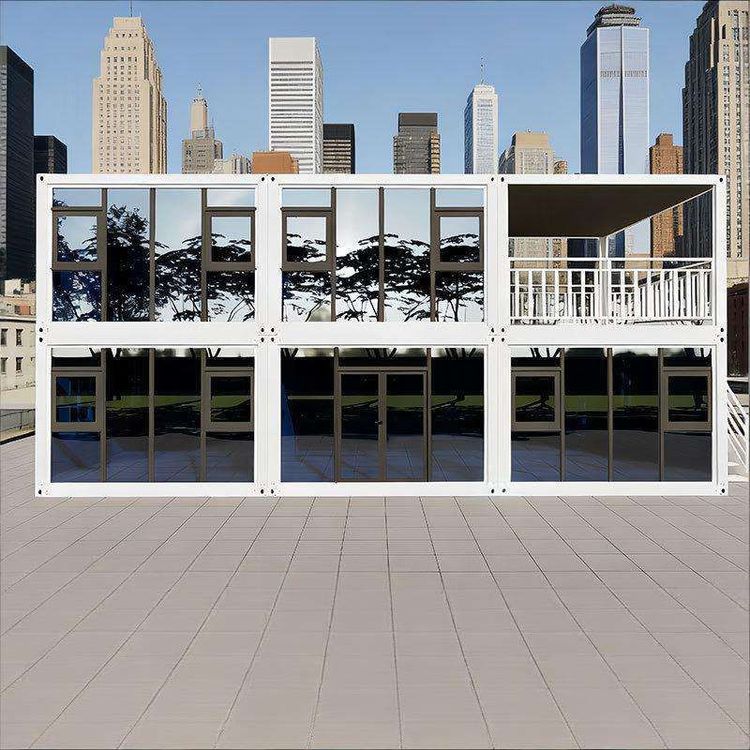
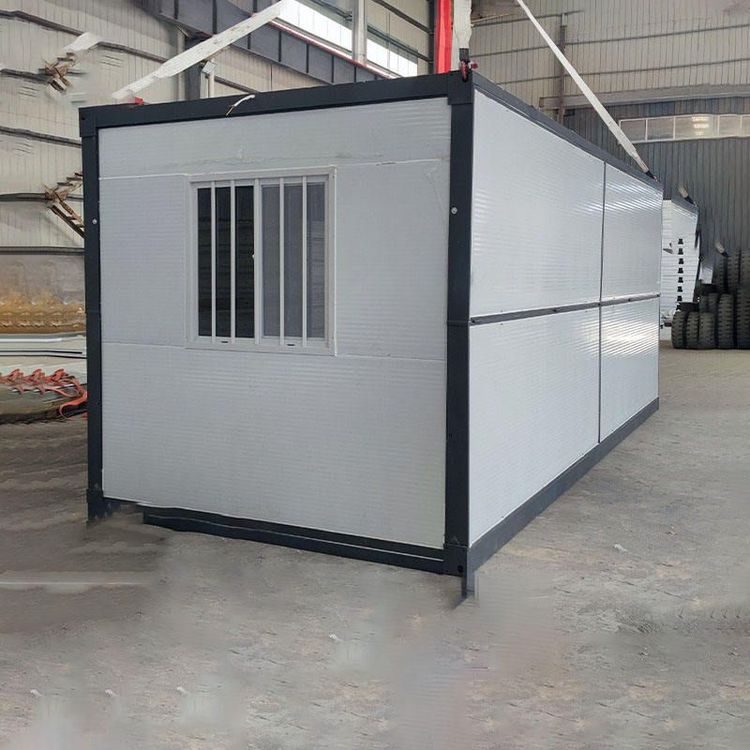
Flexibility and convenience are among the core advantages of mobile environmental toilets. They adopt a modular design, with a lightweight and easily disassembled structure, enabling rapid deployment or relocation to different locations. They are particularly suitable for temporary events, construction sites, or areas with limited land availability. For example, in cases of demolition and road construction, they can be hoisted and transferred as a whole, avoiding repeated construction. Meanwhile, they occupy a small area and can make full use of the corner spaces in cities, alleviating land pressure.
In terms of environmental protection and energy conservation, mobile toilets reduce environmental loads through multiple technologies. Water-saving systems such as sensor-based flushing and foam sealing technologies reduce water consumption. Biodegradation, chemical decomposition, or physical compression technologies convert excreta into harmless substances or reduce their volume, lowering the frequency of removal and transportation. Some high-end models integrate renewable energy sources such as solar and wind power to further reduce energy consumption. In addition, the use of environmentally friendly materials (such as steel frames and recyclable materials) aligns with the concept of green buildings, and the construction process generates no dust or noise pollution.
Hygiene and comfort are significantly improved. Regular cleaning and maintenance ensure that there is no odor inside. They are equipped with barrier-free access, baby care stations, automatic deodorization systems, and other user-friendly facilities to meet the needs of different groups of people. The walls are made of reinforced clean-grade EPS panels, and the fecal storage tanks have a large capacity and good sealing performance, providing better odor control than traditional toilets and enhancing the user experience.
Cost-effectiveness is reflected in the optimization of the whole-life cycle cost. The purchase and installation costs are lower than those of traditional public toilets, and there is no need for complex civil engineering work, with the construction period shortened to 1 month (compared to 3-6 months for traditional public toilets). An intelligent management system enables remote monitoring and fault warnings, reducing operation and maintenance costs. The reusable nature (such as relocation during road reconstruction) reduces resource waste, and simplified approval procedures also save time costs.
In terms of promoting the city's civilized image, mobile toilets have diverse exterior designs and can blend into the urban landscape, becoming elements that beautify public spaces. Their widespread use can also enhance citizens' awareness of environmental protection and promote the construction of a civilized city.
Diversity and flexibility further expand the application scenarios. With a rich variety of exterior forms, they can adapt to different environmental requirements and even reach areas that fixed toilets cannot cover (such as areas with complex terrain or temporary event venues). Their fashionable and aesthetically pleasing designs also enhance the overall quality of urban public facilities.