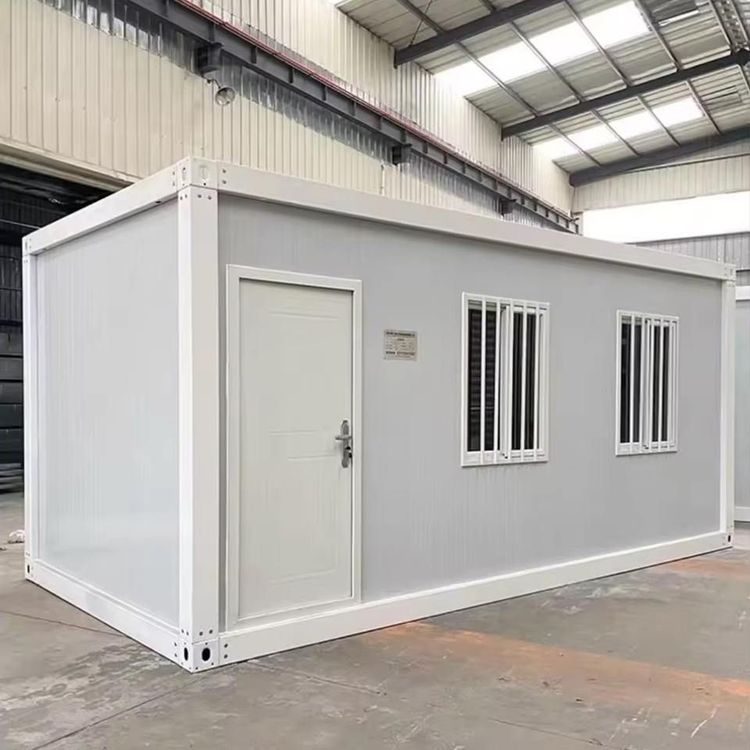
Advantages of Box-Type Mobile Toilets
Box-type mobile toilets offer advantages such as convenient transportation and installation, environmental protection and energy efficiency, high-quality material selection, strong mobility, diverse treatment methods, small footprint, aesthetically pleasing design, and efficient construction processes.

Convenient transportation and installation: Box-type mobile toilets are modified from standard shipping containers, enabling rapid installation and disassembly. When needed, they can be quickly installed and put into use; when the usage scenario changes or they are no longer required, they can be swiftly disassembled and moved to other locations for reuse, significantly saving time and labor costs.
Environmental protection and energy efficiency: Their original design aimed to address sanitation issues in urban public spaces. Compared to traditional toilet construction, they offer significant advantages in terms of manpower and material resources. During construction, they reduce the waste of a large amount of building materials; during use, some box-type mobile toilets adopt environmentally friendly treatment technologies, reducing their impact on the environment and aligning with the concept of sustainable development.
High-quality material selection: Stone-plastic panels are used as interior wall materials, which are durable and easy to clean, effectively extending the toilet's service life and reducing daily maintenance workload. Additionally, the toilets are fully equipped inside, including soundproof cotton and fine decoration, providing users with a more comfortable and quiet usage environment and enhancing the overall user experience.
Strong mobility: They can well adapt to changes in venues. During special periods such as tourist peaks, they can be flexibly allocated according to the density of pedestrian traffic, moved to areas with high toilet pressure, effectively alleviating public toilet shortages and reducing resource waste caused by the demolition of fixed facilities.
Diverse treatment methods: Depending on the different constraints of the usage environment, appropriate treatment technologies can be adopted, such as microbial degradation and vacuum adsorption, ensuring effective treatment of excreta in various scenarios and meeting environmental protection requirements.
Small footprint: Compared to traditional fixed toilets, box-type mobile toilets occupy less land resources, making them particularly suitable for urban areas with tight land resources or temporary event venues.
Aesthetically pleasing design: In addition to focusing on practicality, consideration is also given to exterior design. Their appearances are commonly seen in public places such as tourist attractions and parks, blending well with the surrounding environment and enhancing the overall landscape effect.
Efficient construction processes: They are usually prefabricated in factories and only require simple installation on-site for use. Compared to the complex processes of site selection, material procurement, and construction for traditional toilets, they differ in terms of manpower, material resources, and capital investment, significantly shortening the construction cycle.