
Back to blog
Article
Advantages and Disadvantages of Prefabricated House Modules
Admin September 18, 2026
The advantages of prefabricated house modules include fast construction speed, stable quality, environmental protection and energy saving, strong earthquake resistance, low labor costs, and moisture and alkali resistance; the disadvantages include limited design flexibility, high initial investment, transportation restrictions, structural damage risks, poor sound insulation, and high long-term maintenance costs.
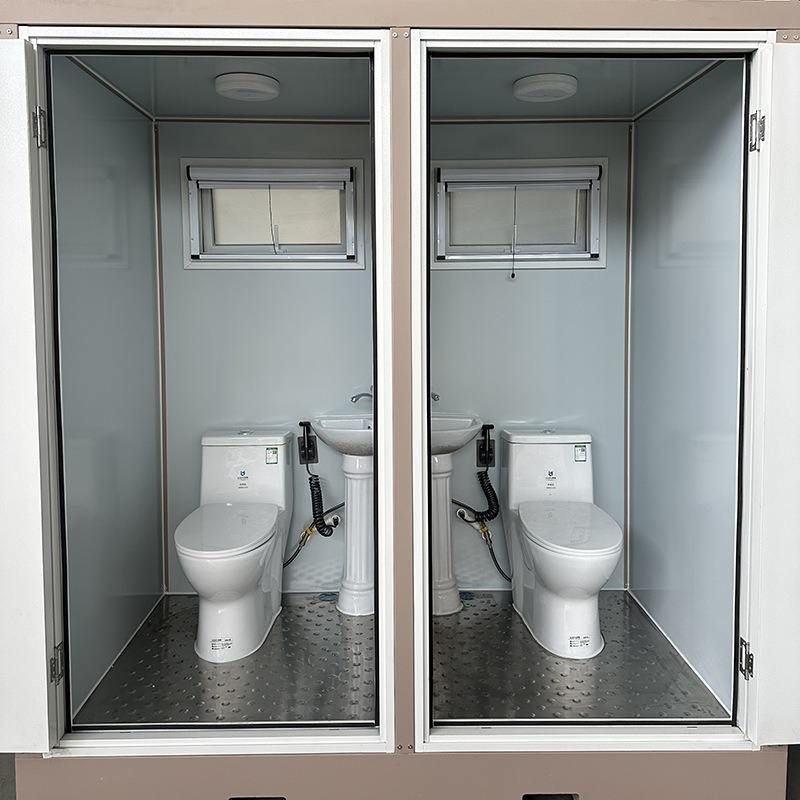
Advantages
- Fast construction speed: Prefabricated house modules adopt a factory-prefabricated and on-site assembly model, greatly shortening the construction cycle. For example, the main construction of a 300-square-meter house only takes about 20 days, and the main assembly can even be completed in as fast as two hours, quickly meeting users' occupancy needs.
- Stable quality: The wall panels made by factory machines have an error of less than 1 millimeter, avoiding errors that may occur in manual wall building. Prefabricated components are produced through high-precision molds in a standardized manner, and the concrete strength is improved compared to traditional construction, ensuring the stability and reliability of building quality.
- Environmental protection and energy saving: During the construction process, there is basically no construction waste on the site, reducing environmental pollution. The thermal insulation wall panels have a built-in heat insulation effect, which can reduce energy consumption in later use. Moreover, the material recycling rate can reach over 90%, and construction waste is reduced by 80%, which is in line with the concept of sustainable development.
- Strong earthquake resistance: The overall structure of prefabricated house modules is particularly sturdy, with earthquake resistance at least two levels higher than that of brick houses. The strength of the reinforced concrete walls is seven times that of ordinary brick walls, providing a safer living environment for occupants.
- Low labor costs: Only seven or eight workers are required for on-site construction, which is safer than traditional construction, and labor costs are reduced by about 60%, lowering construction costs.
- Moisture and alkali resistance: The module materials have special properties that can block moisture and alkali erosion, extending the service life of the building.
Disadvantages
- Limited design flexibility: The modules are of fixed sizes, and personalized designs require additional customization fees. Their shapes and sizes are determined at the design stage, limiting the individuality and diversity of buildings and making it difficult to meet some special design requirements.
- High initial investment: The cost per square meter is one or two hundred yuan more expensive than that of brick-and-concrete structures. Although large-scale production can reduce material costs by 20%-40%, transportation and installation may increase costs, resulting in a relatively high initial investment.
- Transportation restrictions: If the construction site is remote, such as in deep mountains and forests, large trucks may not be able to enter, causing transportation difficulties and affecting construction progress and costs.
- Structural damage risks: After the prefabricated house modules are installed, smashing walls randomly will damage the overall structure, which is more dangerous than ordinary houses and imposes certain restrictions on the occupants' use behavior.
- Poor sound insulation: Some prefabricated houses have a sound insulation effect that is 20 decibels worse, making it easy to hear noises from upstairs and affecting living comfort.
- High long-term maintenance costs: After 20 years, the annual maintenance costs may increase by 1500-3000 yuan, increasing long-term use costs.
Related



