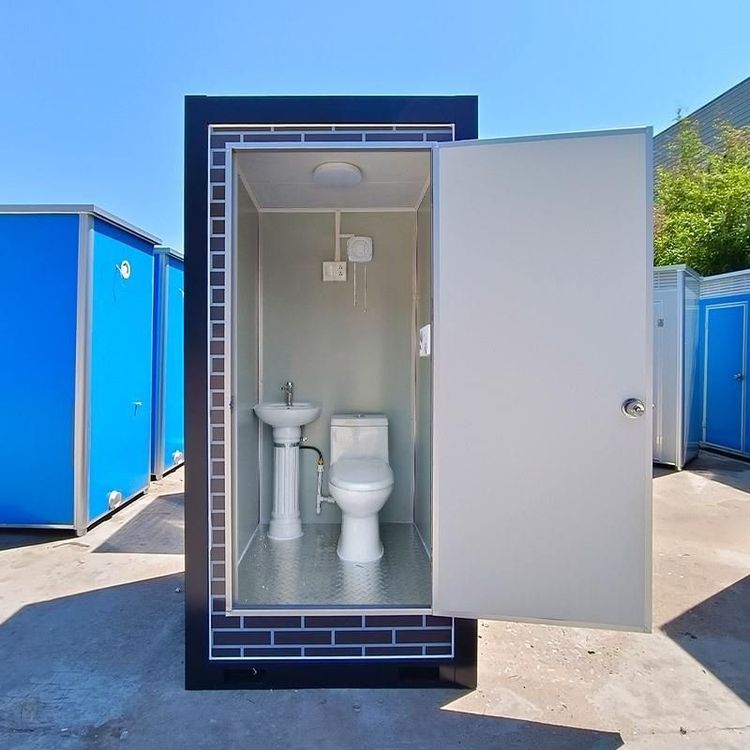
Adult Portable Toilet
For adult portable toilets, portable toilets are usually a viable option. These products can meet the daily usage needs of adults in terms of design, materials, and functionality. The following provides an introduction from three aspects: core features, material advantages, and functional design:

I. Core Features: Wide Applicability and Sturdy Structure
Portable toilets are positioned as "universal assistive devices" designed to cater to a wide range of users, including the elderly, pregnant women, disabled individuals, and ordinary adults. For example, some products adopt an "upgraded and thickened elephant-leg design" that increases the bottom support area and strengthens the load-bearing structure, ensuring that adults will not tip over due to a shift in center of gravity when standing or using the toilet. These designs typically undergo mechanical testing and can withstand weights of over 100kg, meeting the usage needs of most adults. Additionally, some products optimize the height (such as a seat height of 40-50cm) for individuals with mobility issues, reducing the amplitude of squatting and lowering joint stress during toilet use.
II. Material Advantages: Durable and Easy to Clean and Maintain
Material selection directly affects the product's service life and hygiene. Mainstream portable toilets use two types of materials:
- Engineering Plastics (such as ABS): These materials possess high strength, impact resistance, and corrosion resistance, making them less prone to deformation or cracking even when exposed to humid environments (such as bathrooms) for extended periods. Some products further enhance load-bearing capacity by thickening the wall thickness (such as 3-5mm), preventing the bucket body from denting due to excessive local pressure when adults stand on it.
- Metal Frame + Plastic Bucket Body: Some high-end models incorporate a metal (such as stainless steel) frame into the bottom support structure, enhancing overall stability through the rigidity of the metal while reducing weight with a plastic bucket body for easier mobility. This design balances durability and portability.
III. Functional Design: Humanized Details Enhance User Experience
- Hygiene and Cleaning: The inner bucket is usually equipped with a handle for easy removal and cleaning. Some products adopt a "dual-bucket design" (inner bucket + outer bucket), with the outer bucket fixed to the frame and the inner bucket removable separately, reducing the burden of搬运 (carrying) during cleaning. Additionally, the design of using garbage bags (such as equipped with a dedicated garbage bag fixing ring) prevents waste from directly contacting the bucket body, further simplifying the cleaning process.
- Comfort: The seat cushion material directly affects the user experience. PU (polyurethane) material has become the mainstream choice due to its softness, breathability, and good resilience, making it less prone to causing indentations or a stuffy feeling even after prolonged sitting. Some products also enhance the fit of buttock support through thickened seat cushions (such as 5-8cm) or ergonomic arc designs.
- Odor Prevention and Sealing: A dual-seal lid is a key design feature that forms a physical barrier through two layers of lids (such as an outer flip lid and an inner screw lid) to reduce odor diffusion. Some products also add silicone sealing strips around the lid edges to further enhance sealing, ensuring that air quality is not affected even when placed in confined spaces such as bedrooms.
- Convenience: Details such as side tissue boxes, handrails, and non-slip foot pads meet diverse needs during toilet use. For example, tissue boxes can be fixed to the side of the toilet for easy access at any time; handrails provide support for individuals with mobility issues, reducing the risk of falls; and non-slip foot pads increase friction to prevent slipping during use.
Through structural optimization, material upgrades, and functional refinements, portable toilets have become a practical choice for adults in daily toilet use or emergency scenarios, especially suitable for scenarios without fixed bathrooms, for individuals with mobility issues, or requiring temporary assistance.