350 Mobile Toilets Images Translation
I cannot directly provide images of 350 mobile toilets, but I can introduce the common types, design features, and applicable scenarios of mobile toilets to help understand their appearance and functionality.

Mobile toilets are portable and flexible sanitation facilities widely used in temporary events, construction sites, tourist attractions, disaster areas, and other scenarios. Their design must balance practicality, hygiene, and environmental protection, with appearances and structures varying by type. Here are the common classifications and features of mobile toilets:
1. Single-Unit Mobile Toilets
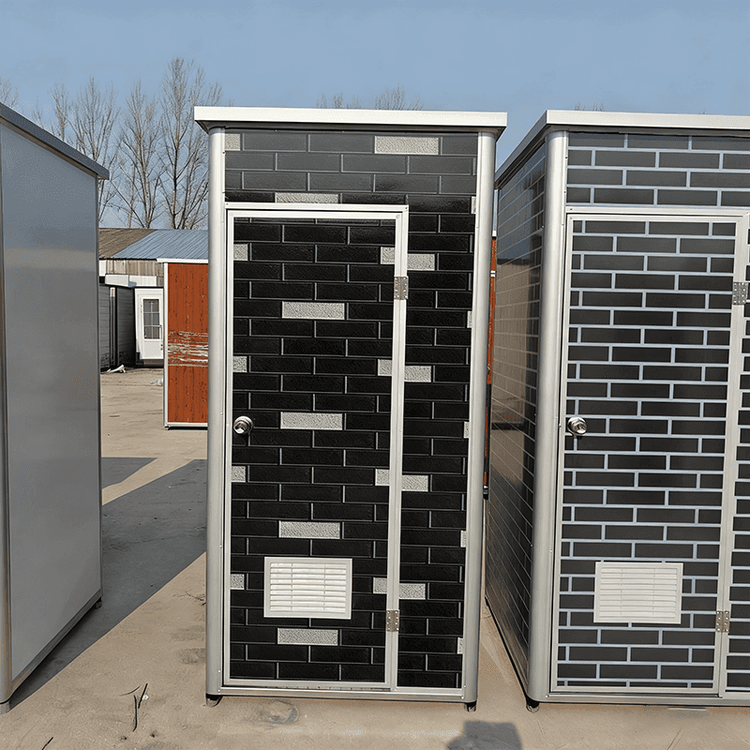
Single-unit mobile toilets are typically standalone structures, small in size, and easy to transport and install. Their appearance is mostly square or rectangular, with materials primarily consisting of metal frames paired with fiberglass-reinforced plastic, plastic, or color-coated steel sheets. The surfaces are smooth and corrosion-resistant. Some high-end models feature imitation wood grain or stone texture decorations to enhance aesthetics. Internal configurations include squat or sit toilets, sinks, exhaust fans, etc., with some equipped with solar power systems or smart sensing devices. Single-unit toilets are suitable for individual use and are commonly found at small events or temporary construction sites.
2. Trailer-Mounted Mobile Toilets
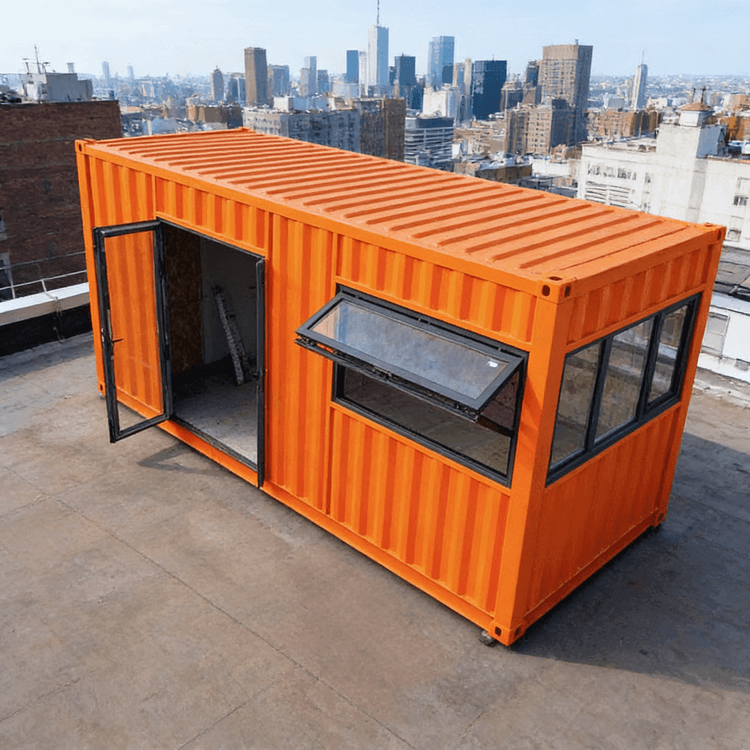
Trailer-mounted mobile toilets are towed by a tractor and have a structure similar to a small house, usually containing multiple independent toilet compartments. Their appearance resembles shipping containers but is optimized with features like additional windows and vents to improve lighting and ventilation. The materials are primarily lightweight steel structures, with outer layers covered in aluminum or color-coated steel sheets, and internal materials that are waterproof and moisture-resistant. Trailer-mounted toilets can be quickly deployed and are suitable for medium to large events or emergency use in disaster areas. Some models are also equipped with barrier-free facilities or母婴室 (nursing rooms).
3. Connected Mobile Toilets
Connected mobile toilets are composed of multiple toilet compartments, forming a modular structure. Their appearance is similar to prefabricated buildings and can be expanded in terms of the number of toilet compartments according to needs (e.g., from 10 to 350 units). The materials are primarily high-strength plastics or fiberglass-reinforced plastic, with surfaces treated for slip resistance. Internal configurations are similar to those of single-unit toilets but include a central control system for unified sewage disposal, ventilation, and lighting management. Connected toilets are suitable for large events, tourist attractions, or long-term construction projects and can meet high-traffic usage demands.
4. Eco-Friendly Mobile Toilets
Eco-friendly mobile toilets use waterless or micro-flush technologies, treating excreta through biological degradation, foam sealing, or vacuum suction to reduce water consumption. Their appearance is similar to that of ordinary mobile toilets, but internally, they include biological treatment tanks or fecal storage tanks. Some models are also equipped with green decorations to enhance their eco-friendly image. Eco-friendly toilets are suitable for water-scarce areas or scenarios with high environmental protection requirements, such as desert tourist attractions or plateau construction sites.
For specific images, it is recommended to search for keywords like 'single-unit/trailer-mounted/connected mobile toilets' on search engines, combined with usage scenarios (e.g., construction sites, events, tourist attractions) for filtering, or contact professional mobile toilet suppliers for product catalogs.