
Zhifu Container House Earthquake Resistance
The earthquake resistance of Zhifu container houses depends on their structural design and material properties. Some compliant products have seismic resistance capabilities, but a comprehensive assessment is required based on specific product standards and installation specifications.
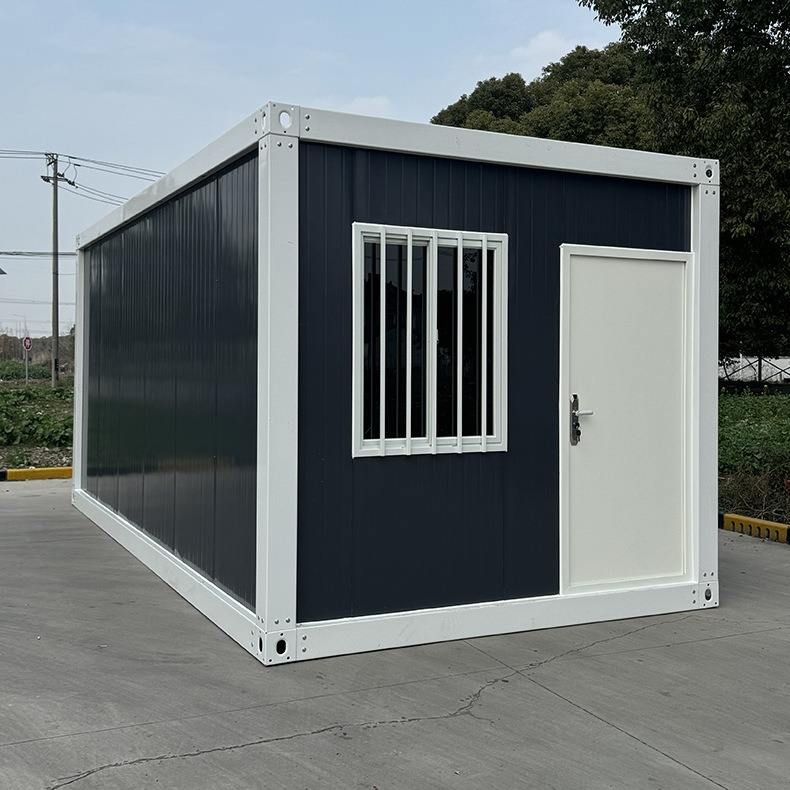
1. Seismic Design of Foldable Container Houses
According to information on container house rentals and sales in the Yantai area, foldable container houses adopt a welded frame structure with fewer welded parts, resulting in higher overall structural stability. Their design features include:
- Structural Stability: The frame structure forms an integral whole through welding or bolt connections, enabling it to disperse horizontal and vertical loads during earthquakes and reduce local stress concentrations.
- Material Strength: High-strength steel or alloy materials are used, which possess high tensile and compressive properties and can withstand deformations caused by certain degrees of crustal movement.
- Seismic Standards: Some products are clearly labeled as 'compliant with emergency housing-related standards,' which may include seismic design requirements, such as verifying structural safety through simulated earthquake wave testing.
2. Impact of Installation Specifications on Seismic Performance
The seismic effectiveness of container houses depends not only on the product itself but also closely on the installation method:
- Foundation Fixation: The house must be fixed to the ground using anchor bolts or concrete foundations to prevent sliding or overturning during earthquakes.
- Connection Node Reinforcement: The connection points between house modules must be reinforced with high-strength bolts or welding to prevent structural disintegration due to connection failure during earthquakes.
- Wind and Seismic Supporting Measures: Some products also have wind and rain-leakage prevention functions, indirectly enhancing their seismic resistance by demonstrating their structural airtightness and integrity.
3. Limitations in Practical Applications
Although some container houses have seismic designs, attention must still be paid to the following:
- Not All Products Are Seismic-Resistant: There are products of different quality levels on the market. It is necessary to confirm whether the product is clearly labeled with seismic performance or has passed relevant certifications.
- Earthquake Magnitude Limitations: Seismic designs are usually targeted at specific earthquake intensities (e.g., below magnitude 6). Damage may still occur if the design range is exceeded.
- Usage Environment Requirements: Installation should be avoided on unstable foundations such as soft soil or slopes, as foundation settlement may affect structural stability.
Recommendation: When purchasing, prioritize products that are clearly labeled with seismic performance and provide structural testing reports, and have them installed and inspected by professional teams.



