
Zhangjiajie Container House Installation
The installation of container houses in Zhangjiajie requires adherence to the following steps and key points:
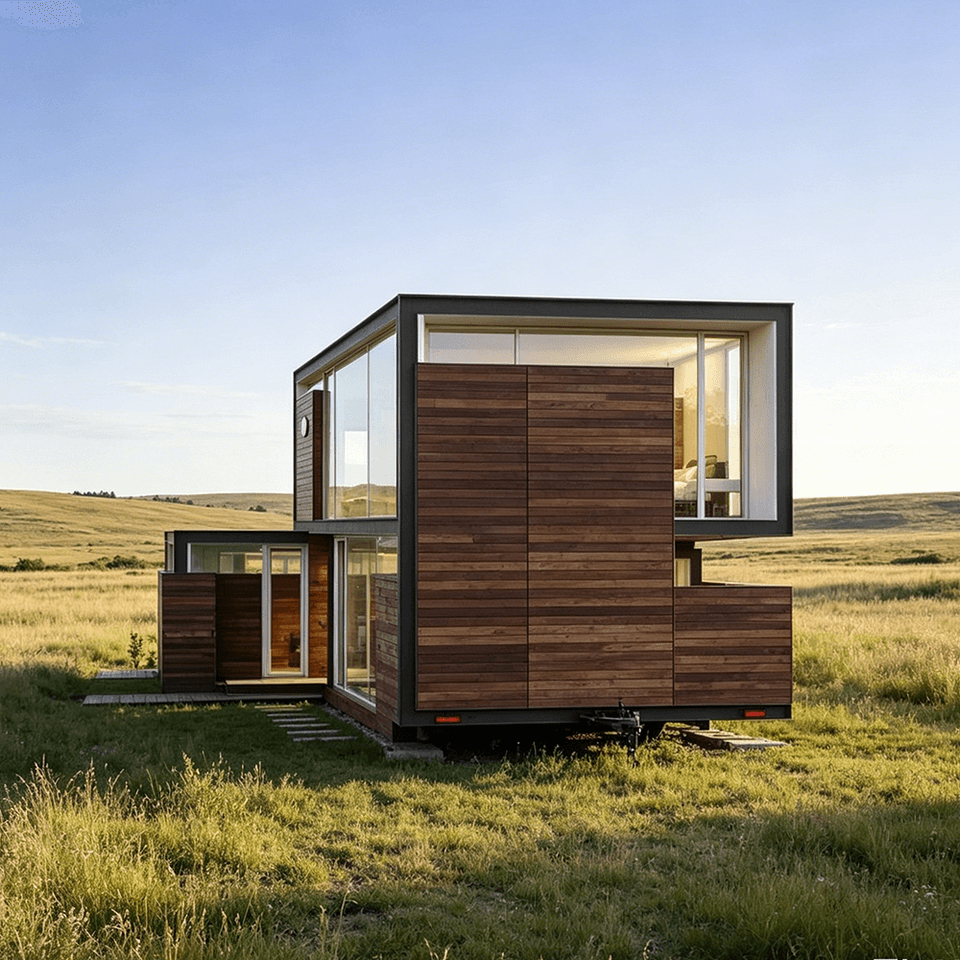
1. Preparation Phase
Clarify housing requirements and develop a design plan covering core parameters such as size, shape, and functional layout. Select containers that meet standards based on the design, focusing on quality checks (e.g., no rust or deformation), dimensional compatibility, and sufficient quantity. Prepare construction tools, including screwdrivers, electric drills, welding equipment, as well as connecting materials like bolts and sealants. This phase should incorporate BIM technology for pre-installation of water and electricity pipelines to optimize subsequent installation efficiency.
2. Foundation Construction
Site leveling is fundamental; remove obstacles and ensure the ground is free from significant undulations. Determine the foundation shape (e.g., strip or isolated foundation) according to design requirements, excavate, and pour concrete. During pouring, control concrete uniformity to avoid defects like honeycombing or pitting, and ensure compactness through vibration to prevent future settlement. The foundation strength must meet the load-bearing requirements when the container is fully loaded.
3. Container Installation
Use a crane to vertically lift the container above the foundation and slowly lower it to the designated position, avoiding collisions or tilting. Secure the container's bottom to the foundation's embedded parts with bolts, and reinforce critical connections with welding to ensure overall stability. Modular-designed containers should be assembled according to their numbers to ensure alignment of water and electricity pipeline interfaces.
4. Circuit and Pipeline System Installation
Circuit wiring must comply with electrical safety regulations, using insulated wires and installing grounding devices. Test the insulation resistance of sockets and lighting fixtures after installation. Lay pipeline systems according to water supply and drainage specifications, using sealant rings or hot-melt welding for connections. Conduct pressure tests (e.g., pressurize water supply pipes to 1.5 times the working pressure) and water flow tests after completion to ensure no leakage.
5. Interior Decoration
Walls can be finished with fireproof boards or integrated wall panels, floors with anti-slip tiles or composite flooring, and ceilings with light steel keel suspended ceilings. Ensure the airtightness of doors and windows, and recommend double-glazed windows for improved thermal insulation. Decorative materials must comply with environmental standards to reduce the release of harmful substances like formaldehyde.
6. Safety Protection and Environmental Measures
Construction personnel must wear safety helmets, protective shoes, and gloves, and use safety harnesses for high-altitude work. Set up sound barriers in the construction area, regularly sprinkle water to reduce dust, and classify and recycle waste. Steel recycling rate reaches 100%, reducing construction waste by 80% compared to traditional buildings, meeting green construction requirements.
Additional Advantages: The installation period for container houses in Zhangjiajie is short (15-30 days). The walls are filled with rock wool insulation, allowing for a temperature difference of over 15℃ between indoors and outdoors in winter. The modular design facilitates future expansion or relocation.



