
Size of Container Houses in Zengcheng District
There is no unified standard for the size of container houses in Zengcheng District, and common specifications vary depending on their purpose and suppliers. Here is a detailed analysis:
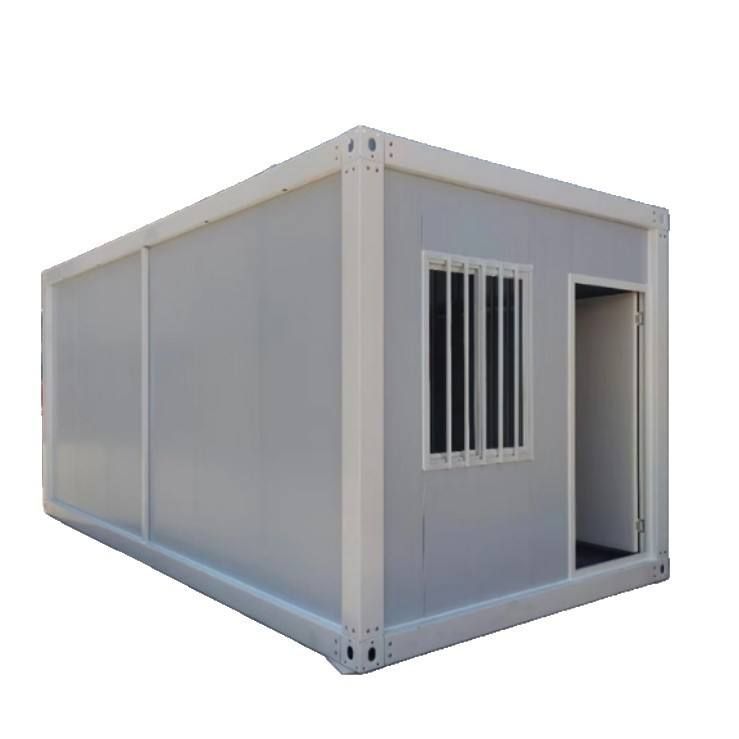
Common Size Ranges
Residential Containers:
Some suppliers in Zengcheng District offer residential container houses with common dimensions of 6 meters in length, 3 meters in width, and 2.8 meters in height, covering an area of approximately 18 square meters. These containers are often made of color-coated steel plates and can be equipped with doors, windows, electrical circuits, and other facilities, suitable for construction site dormitories, temporary offices, and other scenarios. For example, the residential containers produced by Guangzhou Zhongrun Housing Technology Co., Ltd. can be customized, but the basic models mostly revolve around the above dimensions.Customized Containers:
Some projects adopt customized containers due to special requirements. For instance, in the fever clinic construction project of the Fourth Affiliated Hospital of Guangzhou Medical University, the total construction area of the container prefabricated building reached 2,436 square meters, suggesting that it may be composed of multiple large container modules. The dimensions of such containers need to be determined according to the design drawings and may break through conventional specifications.Logistics Containers:
As an eastern railway freight hub in Guangzhou (such as Guangshi Railway Zengcheng West Station), Zengcheng District uses logistics containers that comply with international standards. Common 20-foot containers have external dimensions of approximately 6.06 meters in length, 2.44 meters in width, and 2.59 meters in height; 40-foot containers have external dimensions of approximately 12.19 meters in length, 2.44 meters in width, and 2.59 meters in height. These containers are mainly used for cargo transportation and have different functions from residential containers.
Influencing Factors
- Purpose Differences: Residential containers need to balance living comfort, and their size design focuses more on space utilization; logistics containers aim to maximize loading capacity and have a more compact structure.
- Supplier Technology: The production processes and material choices of different suppliers affect container sizes. For example, some suppliers use light steel structures to achieve larger-span customized designs.
- Project Requirements: Public construction projects such as healthcare and education have complex functional requirements for containers and may need to combine multiple modules to meet demands, indirectly affecting the volume of individual containers.



