
Yantai Mobile Toilet Maintenance
The maintenance of mobile toilets in Yantai covers multiple aspects such as cleaning, waste removal, consumable replenishment, equipment inspection and repair, and professional team management, ensuring continuous availability of the equipment through standardized processes and preventive mechanisms.
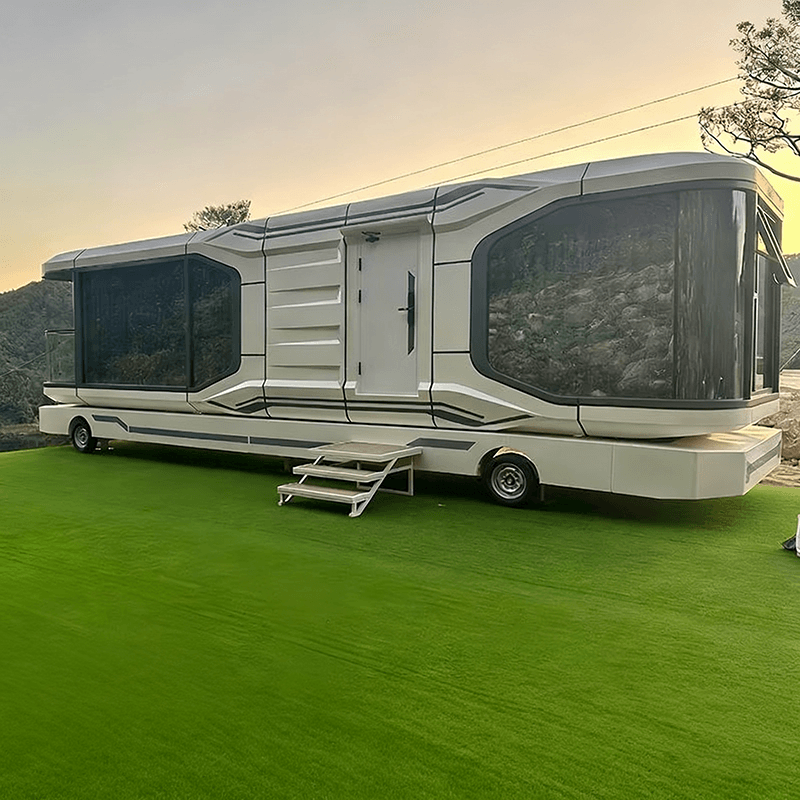
1. Cleaning and Disinfection
The cleaning of mobile toilets is carried out by a professional team on a scheduled basis, using food-grade chemicals for disinfection. These chemicals meet hygiene and safety standards, effectively killing bacteria, viruses, and other pathogens while avoiding harm to humans and the environment. The cleaning scope includes the inner walls of toilet stalls, floors, toilet fixtures, and external contact surfaces, ensuring no stains or odors remain. The cleaning of ventilation equipment (such as exhaust fans) is also included in the routine process to prevent dust buildup from affecting ventilation efficiency.
2. Waste Removal and Sewage Disposal
Waste removal is accomplished through the cooperation of sealed waste storage tanks and professional removal vehicles. The storage tanks are designed to prevent leakage, avoiding environmental pollution from sewage during transportation; the removal vehicles are equipped with high-pressure flushing devices to thoroughly clean the tanks and prevent residue from corroding the equipment. Sewage disposal must strictly comply with environmental regulations, with some service providers connecting to municipal sewage treatment systems to ensure harmless disposal of waste.
3. Consumable Replenishment
Consumables such as toilet paper, hand soap, and deodorizers are regularly replenished based on usage frequency. Some high-end mobile toilets are also equipped with intelligent monitoring systems that provide real-time feedback on consumable levels, facilitating timely replenishment and avoiding user experience issues due to material shortages.
4. Equipment Inspection and Preventive Maintenance
Regular inspections cover key components such as the flushing system, door lock mechanisms, and ventilation equipment. For example, the flushing system requires checks on water pump pressure and water pipe sealing; the door lock mechanisms need testing for smooth operation to prevent jamming; and the ventilation equipment requires cleaning of filters and inspection of motor operation. The preventive maintenance mechanism reduces equipment failure rates and extends service life by replacing aging parts in advance and lubricating mechanical structures.
5. Professional Team Management
The maintenance team must undergo systematic training to be familiar with equipment structure, operating procedures, and emergency response processes. For example, in the event of sudden blockages, the team must master methods such as high-pressure water gun unclogging and chemical dissolution; for electrical failures, basic electrical skills are required to ensure safe repairs. Additionally, the team must establish maintenance records, documenting each inspection time, content, and replaced parts to provide data support for subsequent management.



