
Yangquan Prefabricated Building Component Molds
Yangquan prefabricated building component molds are core tools in the production of prefabricated components, with their precision and customization capabilities directly influencing component quality and production efficiency. The following provides an in-depth explanation of the mold's role, processing methods, production process, and technical characteristics:
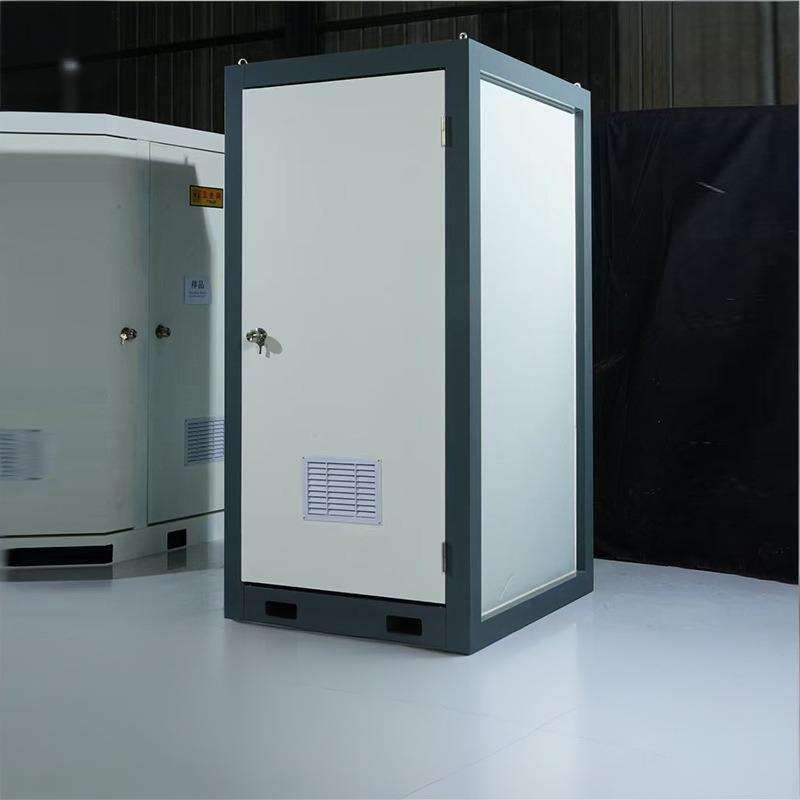
The core role of the mold is to control component dimensional accuracy. As the 'negative space carrier' for component shaping, the mold's installation accuracy directly determines the geometric dimensional errors of the components. For example, if there are minor deviations in mold assembly, it may lead to uneven edges or misaligned holes in prefabricated wall panels, floor slabs, and other components, thereby affecting the construction efficiency and structural safety of subsequent prefabricated buildings. Prefabricated component factories in Yangquan utilize 'information package' technology to achieve mold customization or rapid adjustment, generating mold parameters based on the digital models of design drawings to ensure a perfect match between the mold and component shape, reducing manual measurement errors.
Mold processing employs high-precision CNC machine tools and steel mold materials. To ensure geometric consistency in mass production, molds are typically made of steel and processed using CNC machine tools. Steel molds offer high strength, strong wear resistance, and a low coefficient of thermal expansion, enabling them to withstand the lateral pressure and vibration impact during concrete pouring while minimizing deformation caused by temperature changes. The processing accuracy of CNC machine tools can reach ±0.05mm, allowing for precise carving of mold grooves, holes, and other details to ensure that the dimensional errors of each component are controlled within the millimeter range.
The production process relies on precise mold positioning and automated collaboration. In Yangquan's factories, after mold installation, laser positioning or mechanical calibration devices are used to ensure that the mold's levelness and perpendicularity meet requirements. Subsequently, steel reinforcement cages are hoisted into the mold using automated equipment to avoid displacement caused by manual operations; during concrete pouring, a layered vibration compaction process is adopted to ensure that the material fully fills the mold corners; finally, steam curing facilities are used to accelerate the cement hydration reaction at temperatures of 60-80℃, enabling the components to reach demolding strength within 24 hours and shortening the production cycle.
The technical characteristics of the mold are reflected in the coexistence of standardization and flexibility. On the one hand, mold design follows a modular principle, allowing for rapid size adjustments by replacing side panels, end panels, and other components to meet the production needs of components of different specifications; on the other hand, mold surface treatment employs polishing or sandblasting processes to reduce concrete adhesion, improve component surface finish, and lower post-repair costs.



