
Xiaonan Mobile Toilet Inspection
The inspection of mobile toilets in Xiaonan typically covers multiple items such as structural safety, internal equipment, water supply and drainage systems, electrical systems, environmental protection systems, and hygiene conditions, requiring a comprehensive assessment through professional methods.
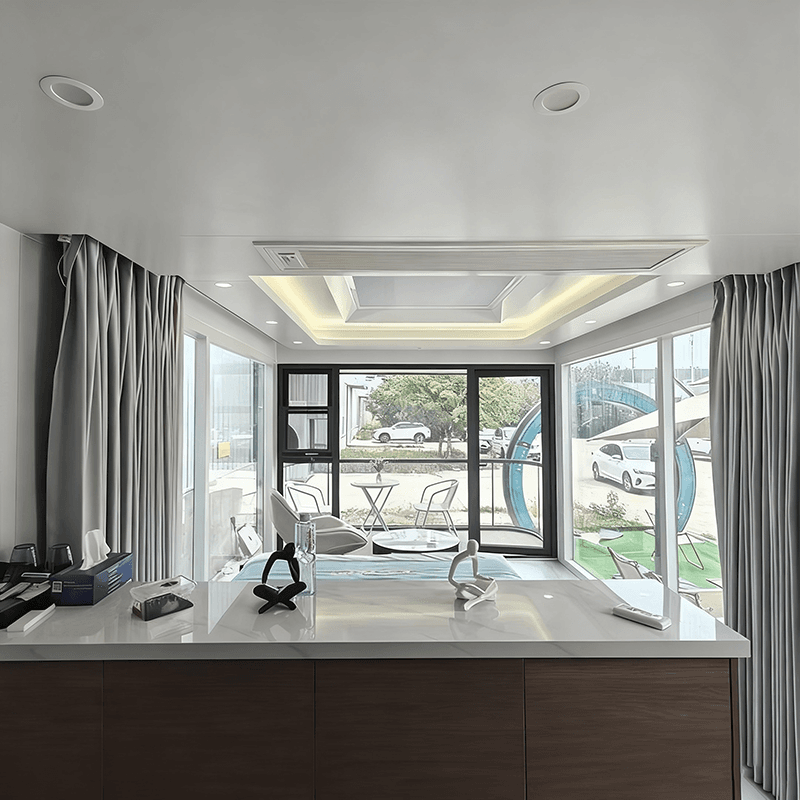
1. Structural Safety Inspection Structural safety is the core aspect of mobile toilet inspection, focusing on checking whether the overall structure is stable and whether there are issues such as tilting, cracks, or deformation. Inspection methods include visual inspection and mechanical testing: visual inspection can quickly identify obvious defects, such as wall cracks and frame deformation; mechanical testing quantifies structural parameters using professional equipment (such as laser rangefinders and stress sensors) to assess load-bearing capacity. During inspection, it is necessary to refer to the original design and construction documents, and if required, use PKPM software for structural load-bearing capacity calculations and analysis to ensure that the main structure of the toilet meets safety standards.
2. Internal Equipment Inspection Internal equipment inspection should cover the functional integrity of facilities such as toilets, sinks, and hand dryers. Visual inspection confirms that the equipment has no visible damage, such as cracks in the toilet ceramic and rust on the faucets; functional testing verifies whether the equipment operates normally, such as whether the flushing system is unobstructed and whether the sensing devices are responsive. Additionally, it is necessary to check whether the equipment is securely installed to avoid risks caused by loosening.
3. Water Supply and Drainage System Inspection The inspection of the water supply and drainage system evaluates whether the water supply and drainage functions are normal. Water supply inspection includes water pressure testing (to ensure stable water flow) and water quality testing (to eliminate pollution risks); drainage inspection verifies whether the pipes are unobstructed through water injection tests and checks whether floor drains and drainage pipes are blocked or leaking. If the toilet is equipped with a sewage treatment device, its treatment efficiency also needs to be tested for compliance with standards.
4. Electrical System Inspection Electrical system inspection ensures electrical safety, focusing on checking whether the wiring layout is standardized, whether the insulation layer is intact, and whether the leakage protection devices are effective. Functional testing verifies whether lighting, sockets, and other equipment can supply power normally to avoid safety hazards caused by aging or short-circuiting of the wiring.
5. Environmental Protection and Hygiene Condition Inspection Environmental protection system inspection evaluates whether measures such as odor control and waste disposal in the toilet are in place; hygiene condition inspection confirms through microbial sampling or visual inspection whether the internal cleanliness of the toilet meets public health standards, such as no stains on the toilets and floors and no pungent odors in the air.
During the inspection process, various data should be recorded to form a detailed report, providing a basis for subsequent maintenance or renovation.



