
Xiamen Cement Prefabricated Panel Housing
Xiamen's cement prefabricated panel housing will adopt a classified disposal approach according to policy, avoiding comprehensive demolition and instead enhancing residential safety and functionality through renovation, reconstruction, or smart upgrades.
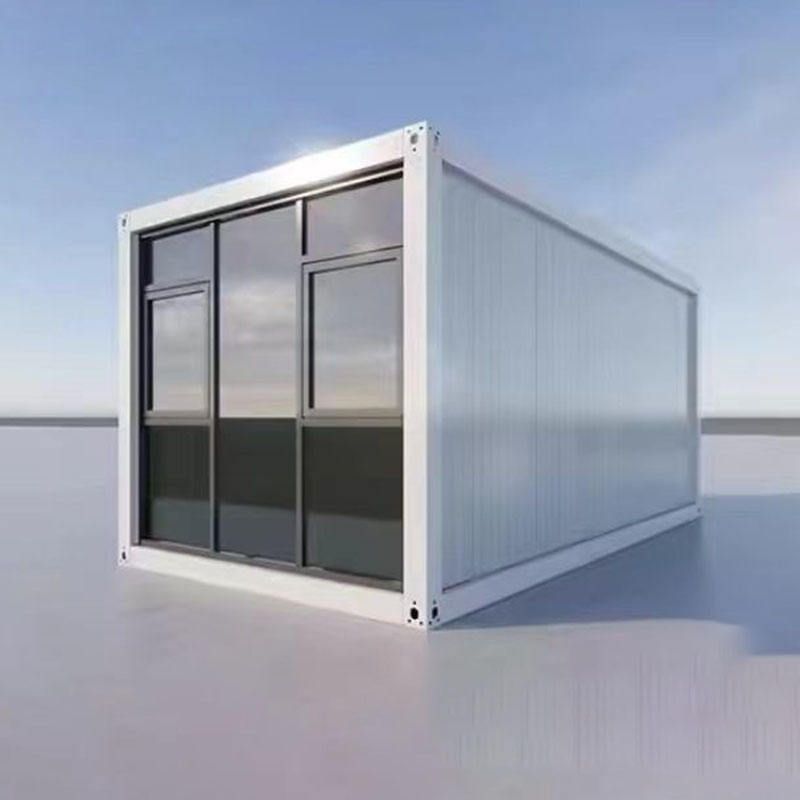
Core Policy Principles and Disposal Ratios
Under the National Three-Year Action Plan for Improving and Upgrading Old Residential Communities, Xiamen implements a “one-building, one-policy” classification for prefabricated panel buildings, avoiding a one-size-fits-all demolition approach. It is estimated that about 20% of old buildings with severe safety hazards will require demolition, while 80% will be retained through renovation and repair. This policy balances safety needs with resource efficiency, avoiding the social costs associated with large-scale demolition.
Types of Buildings Requiring Mandatory Demolition
Three categories of prefabricated panel buildings must be demolished:
- Dangerous buildings with structural damage: Buildings where the load-bearing structures (such as beams, columns, and floor slabs) have severe cracks, deformation, or material degradation, making reinforcement and repair impossible, as determined by professional assessment.
- Buildings unable to withstand natural disasters: Buildings that fail to meet earthquake resistance or flood protection standards and are at risk of collapse during earthquakes, typhoons, or other disasters. For example, 90% of the buildings that collapsed in the Wenchuan earthquake were prefabricated panel structures, highlighting their earthquake resistance deficiencies.
- Buildings affecting urban planning: Buildings that need to be vacated for land redevelopment due to road expansion, public facility construction, or other urban development needs.
Renovation Methods and Technical Applications
For repairable buildings, Xiamen adopts a multi-dimensional renovation plan:
- Structural reinforcement and functional upgrades: Techniques such as adding ring beams and constructional columns, carbon fiber cloth bonding, and cast-in-place composite layers are used to enhance building integrity. Simultaneously, projects like elevator installation, water and electricity network updates, and improvements in thermal and sound insulation are carried out to enhance living comfort.
- Demolition, reconstruction, and area-based renewal: For buildings that cannot be reinforced or have severe hazards, measures such as original-site reconstruction, relocation of dangerous buildings, or large-scale renovation are implemented. For example, 46 prefabricated panel buildings in Xiamen's Hubin Areas 1-4 were completely demolished through urban renewal, with improved facilities after reconstruction.
- Smart upgrades and green renovation: Intelligent facilities such as facial recognition access control, smart charging stations, and waste classification monitoring systems are introduced to improve community management efficiency. Referring to the renovation case of Shenzhen's “handshake buildings,” rent doubled after renovation, reflecting increased market value.
Capacity Expansion Support Under Xiamen's New Policy
Xiamen allows a 20% capacity increase after the renovation of prefabricated panel buildings, with 10% allocated for elevator installation and parking spaces to address vertical transportation and parking challenges for residents. The remaining 10% can be purchased at a low price, increasing living space while reducing residents' financial burdens, reflecting the policy's people-oriented approach.
Common Hazards of Prefabricated Panel Buildings
Most prefabricated panel buildings in Xiamen have a design lifespan of 30-40 years, with over 67% having safety hazards, including structural aging, inadequate earthquake resistance, and poor fire resistance. Renovation must prioritize addressing these core risks to ensure residents' lives and property safety.



