
Wuxi Mobile Toilet Processing
The processing of mobile toilets in Wuxi requires a comprehensive integration of multidisciplinary knowledge, covering aspects such as materials, structure, environmental treatment, and human-centered design. It necessitates customized development based on the characteristics of mountainous environments and actual needs.
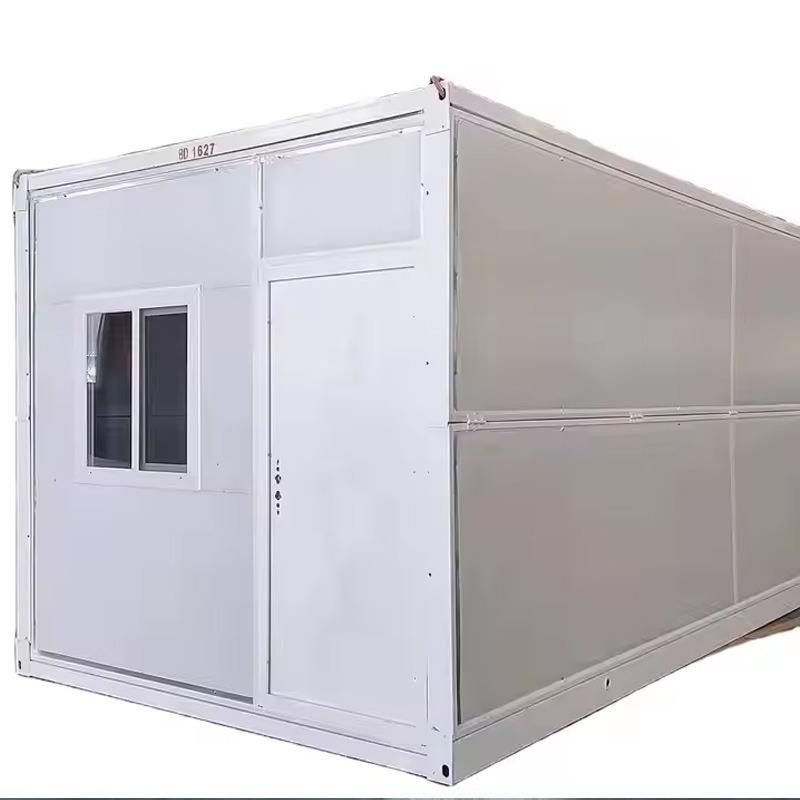
Material and Structural Design: Adapting to Complex Mountainous Environments
Wuxi is located in a mountainous area with variable climate conditions, high humidity, significant temperature variations, and potential geological instability. Therefore, the selection of materials for mobile toilets must prioritize weather resistance and structural strength. For example, using galvanized steel plates or aluminum alloy frames, which are highly corrosion-resistant and can effectively withstand the impact of humid environments. Additionally, the design of modular connection nodes should ensure uniform stress distribution under dynamic loads, preventing structural damage caused by geological vibrations or strong winds. The enclosure system should integrate functions such as thermal insulation, stain resistance, and impact resistance, such as using double-glazed units or high-density polyethylene panels, which enhance thermal insulation performance and facilitate easy cleaning and maintenance.
Waste Treatment Technologies: Selecting Appropriate Paths Based on Local Conditions
Waste treatment is a core function of mobile toilets, and the choice of technology should be based on usage scenarios and local conditions.
- Physical storage technology: Suitable for short-term, high-traffic scenarios with well-established logistical support (e.g., temporary events in scenic areas), where excreta is stored in sealed containers and regularly transported for disposal. This technology is cost-effective but requires frequent maintenance.
- Biodegradation technology: Utilizes microorganisms to decompose excreta into harmless substances. Consideration must be given to the impact of local climate on microbial activity; for example, low temperatures may inhibit degradation efficiency, necessitating thermal insulation design or the selection of cold-tolerant microbial strains to optimize performance.
Localized Services and Cost Considerations
Several mobile toilet manufacturers in the Chongqing region offer professional services that can cover the needs of Wuxi County. For example:
- A manufacturer in the Shapingba District of Chongqing provides basic mobile toilets priced at approximately ¥3300 - 3500, suitable for budget-constrained scenarios.
- Manufacturers such as Guting Metal Products offer a variety of styles and support customized designs, with services extending to Wuxi County. However, specific prices must be determined through phone consultations and typically vary based on materials, functional complexity, and scale.
Conclusion
The processing of mobile toilets in Wuxi should balance environmental adaptability, functional practicality, and cost-effectiveness. By considering mountainous climate conditions, geological factors, and usage scenarios, priority should be given to selecting weather-resistant materials, modular structures, and appropriate waste treatment technologies. Leveraging local manufacturers for customized production and maintenance ensures long-term stable operation.



