
Quay lại blog
Bài viết
Wuhan Container House Transformation
Quản trị 15 tháng 9, 2026
The container house transformation industry in Wuhan has developed a relatively mature industrial system, encompassing design, production, construction, leasing, and customized services. It is widely applied in construction site temporary buildings, cultural tourism scenarios, commercial spaces, and other fields.
I. Main Types of Container House Transformations in Wuhan
The container house transformations in the Wuhan market mainly include the following types:
- Residential Containers: Primarily rented for construction sites to meet the living needs of workers, they can also be purchased or rented privately. Their core advantage is affordability. For example, a 3×6-meter container can be rented for 6 yuan per day and purchased for 10,500 yuan each, and can be customized according to needs.
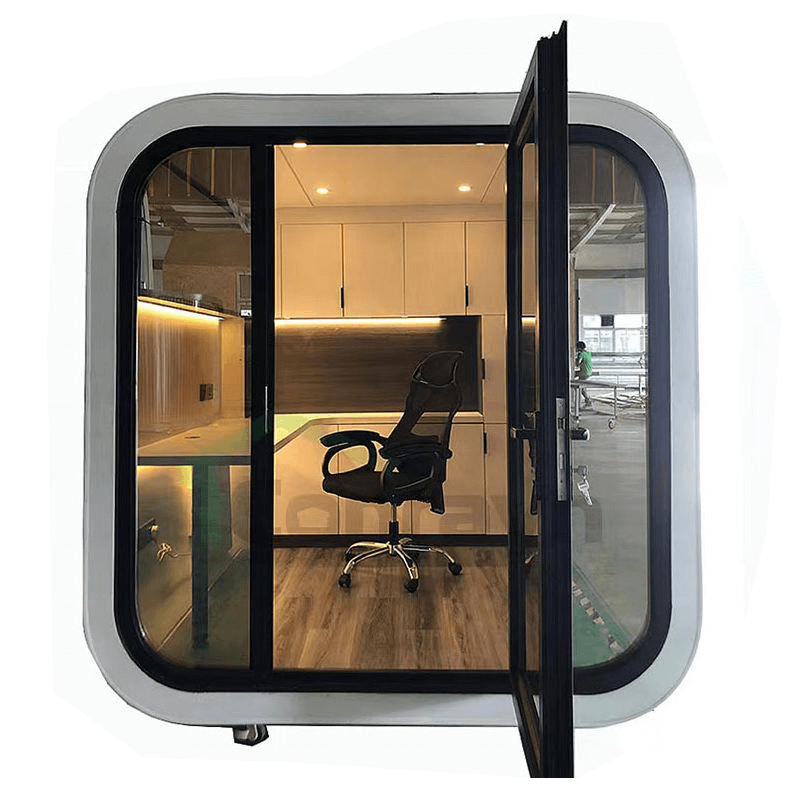
- Container Offices and Activity Rooms: Used for construction site offices, temporary commercial spaces, or cultural tourism scenarios, such as scenic area shops and composite cultural tourism complexes. These houses are designed with modular components, allowing for rapid installation, disassembly, and relocation, adapting to environments like forests and lakesides where large-scale construction is not feasible.
- High-End Customized Containers: Including glass curtain wall packing boxes and conference room container houses, they meet the needs of high-end project departments or business exhibitions, combining modernity and transparency.
II. Core Advantages of Container House Transformations in Wuhan
- Significant Cost-Effectiveness: Compared to traditional buildings, container houses have lower costs and can be reused, making them suitable for short-term or temporary needs.
- Short Construction Period: Through factory prefabrication and on-site hoisting, the construction time is significantly shortened, especially suitable for projects with tight schedules.
- Flexibility and Relocatability: Modular design allows for disassembly and reassembly, adapting to the functional needs of different scenarios, such as transforming from construction site temporary buildings to cultural tourism commercial spaces.
- Environmental Protection and Energy Efficiency: Some products integrate energy-saving insulation and intelligent water and electricity systems, meeting green building standards.
III. Typical Application Scenarios of Container House Transformations in Wuhan
- Construction Site Temporary Buildings: Used as worker dormitories, offices, or mobile toilets to meet the needs of infrastructure projects.
- Cultural Tourism Scenarios: In scenic areas, they serve as shops, leisure and consumption spaces, or landscape buildings, reshaping functional divisions and visual expressions.
- Commercial Spaces: For example, in the science and innovation block near the 'Silicon Lane Entrepreneurship Gate', container-transformed leisure and consumption spaces dot the streets, enhancing regional vitality.



